
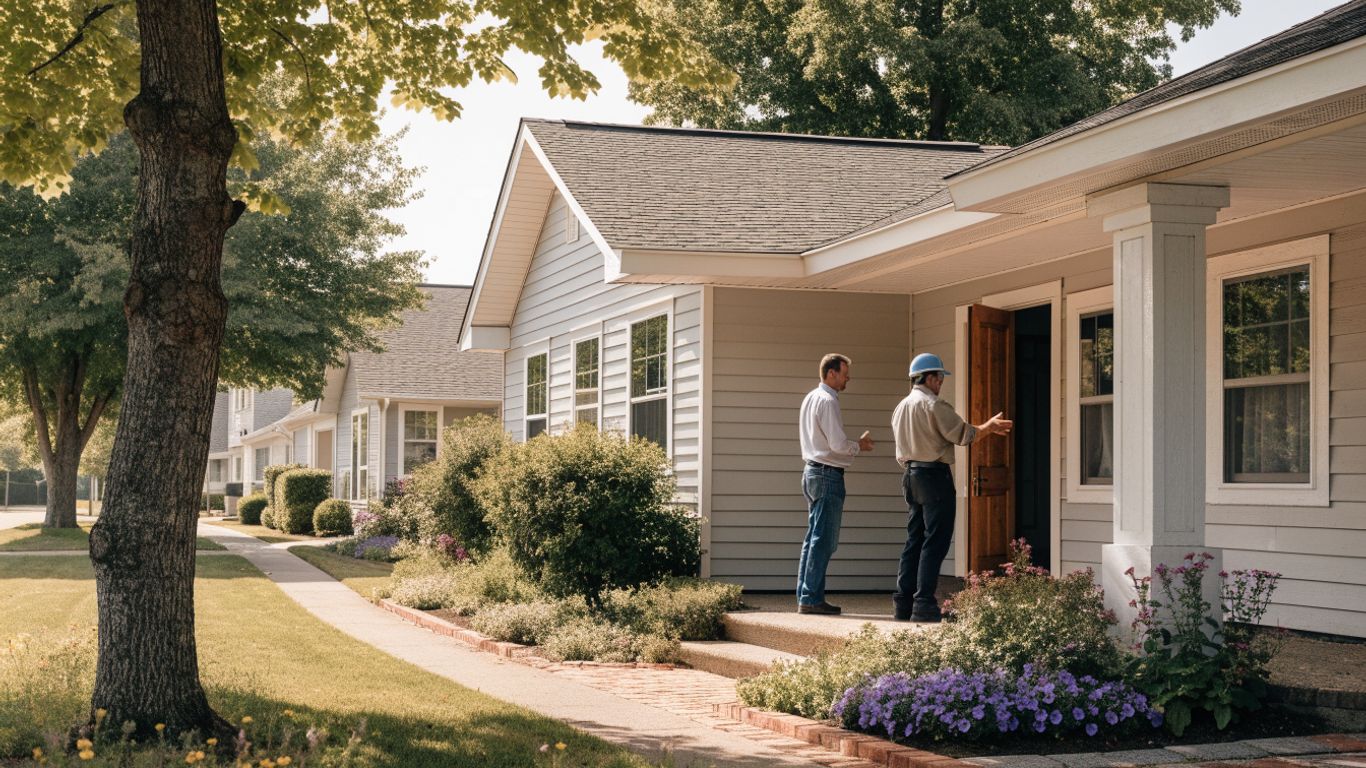
If you want to book a new roof in Georgetown, the best time to start is before a leak forces the decision. The earlier you call, the more say you have over the install date, the materials, and the weather window, and the less likely you are to settle for whatever slot is left. We work with homeowners through every stage, from the first inspection to the last day of cleanup. This guide walks through what happens in between, what affects your lead time, how the seasons change your options, and what to ask before you lock in a date.
Key Takeaways
A little lead time gives you more flexibility on the inspection, the materials, and the weather. Keep these points in mind:
- Call as soon as you know your roof is aging or damaged, not after a leak appears.
- Lead time depends on the season, the roof’s size and complexity, material availability, and weather, so ask for current availability.
- Treat any install date as weather-dependent, even after it is booked.
- Get the scope, the materials, and the delay process in writing.
- Once the crew arrives, most homes are finished in one to two days.
The Short Answer: How Early Most Georgetown Homeowners Should Book
There is no single wait time that applies to every roof. The practical answer is to start as soon as you know your roof is near the end of its life, and ideally before your preferred season. The steps before installation, which are the inspection, the quote, the material decisions, and the crew scheduling, all take time, and a rushed schedule is where scope gets missed. If you are planning roof replacement in Georgetown for next year, a winter inspection and quote means the paperwork and material decisions are already done when the weather allows work.
It is worth deciding when to schedule a new roof in Georgetown before a leak or other urgent problem narrows your options. At the inspection, ask for the current roof installation lead time in Georgetown, because it changes through the year and with the size of the job. If your roof is sound and your dates are flexible, you may be able to book closer to the work. If you are already behind your ideal timeline, still ask about earlier openings.
The key is to separate your ideal date from the latest date that would still work. Tell the contractor both, and ask whether the proposed schedule leaves enough room for weather or unexpected repairs.
What Happens Between Your First Call and Install Day
Booking a roof is a series of decisions, not just a date on the calendar. The contractor has to assess the roof, confirm what work is included, order materials, and coordinate a crew. The order and timing vary by project, so ask what the process looks like for yours.
Roof Inspection and Written Quote
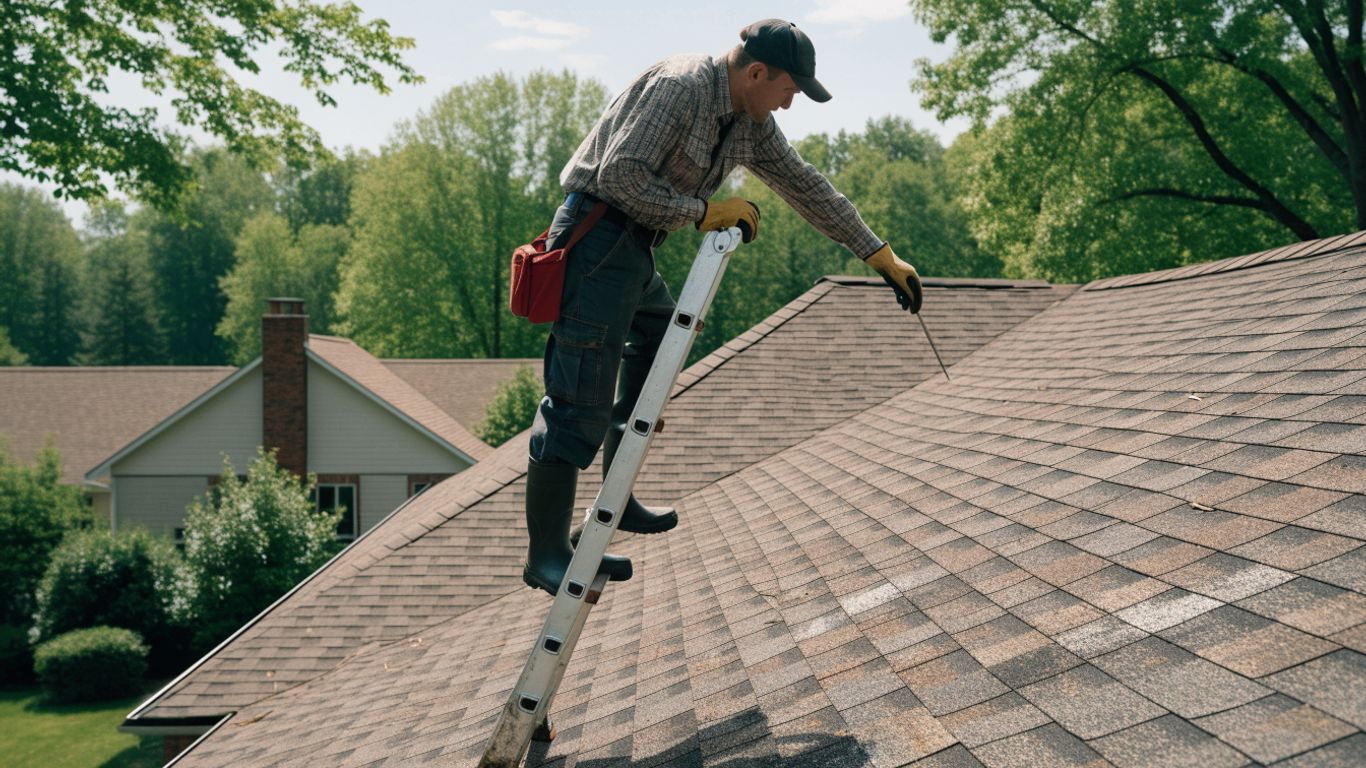
An inspection lets the contractor assess your roof’s condition, size, and visible features before recommending a scope. We walk the roof and the attic, and we give written, itemized quotes so you can see what each line covers. Ask when you can expect the quote and whether it clearly lists the work, the materials, and any exclusions.
A useful quote lets you compare the same basic scope instead of one number against another. When you have more than one proposal, compare roofing quotes line by line, and ask for an explanation of anything that is unclear before you approve the work.
Choosing Materials and Confirming the Scope
Once you have a quote, confirm the materials and the exact work. Ask which decisions are still open, such as colour or product line, and when they need to be final. A product that is unavailable or slow to arrive can move the calendar, so settle this before you set expectations. If you are still comparing options, it helps to know the common roofing materials in Georgetown.
The scope should also show what happens if the crew finds hidden damage after tear-off. A complete scope normally covers removal of the old roof, new decking where it is damaged, ice and water shield along the eaves and valleys, synthetic underlayment, shingles installed to manufacturer specifications, sealed flashing, and ridge ventilation, as explained in our breakdown of what a roof replacement should include. Ask how additional work is documented, approved, and priced, so a surprise does not become a delay.
Scheduling the Crew and Ordering Materials
After the scope and selections are confirmed, the contractor orders materials and assigns a crew date. Ask whether the date is firm or tentative, what must happen before it is confirmed, and how you will hear about changes from delivery or weather. A scheduled date is a plan, but it still depends on the practical details of the project.
Ask the contractor to name the main milestones instead of giving you one install date. Knowing when materials are due and when the crew will reconfirm helps you plan around work, parking, and access to your home.
What Affects Your Booking Lead Time
The contractor’s workload is only one part of the picture. Roof design, material availability, weather, and the scope of repairs all change the schedule, so a conversation about these factors early on tells you whether your preferred date is realistic.
Season and Contractor Demand
When many homeowners plan roof work at once, contractors have fewer open dates and inspection slots. Demand varies from company to company and year to year, so broad seasonal advice is no substitute for asking about current availability. If you have a fixed deadline, say so on your first call.
You can also ask whether the contractor keeps a cancellation list or can offer a tentative opening while you finalize details. Those are questions, not promises, but flexibility on the start date makes scheduling easier when the calendar is full.
Weather Delays and Cold-Weather Limits
Roof work needs conditions that let the crew work safely and install materials as intended. Rain, strong wind, snow, or temperatures outside a product’s recommended range can postpone a job. Asphalt shingles, for example, rely on adhesive strips that seal best in mild weather, and manufacturers publish cold-weather installation guidance, so ask how your contractor handles low temperatures. The table shows why the season alone cannot predict an install date.
| Scheduling factor | How it may affect the plan | Useful question to ask |
|---|---|---|
| Rain or snow | Work may be postponed for safety or installation conditions | How will a weather delay be communicated? |
| Wind | Conditions may make roof work unsafe | When will you decide whether to proceed? |
| Temperature | Some materials have specific installation guidance | Are there temperature limits for my chosen materials? |
| Forecast changes | A planned workday may need to move | How soon will the crew confirm the date? |
Use the answers to understand the contractor’s process, not to assume any forecast guarantees a delay. If timing matters to you, ask how a postponed date is rescheduled and whether the crew will contact you directly.
Roof Size, Complexity, and Hidden Repairs
A large roof, or one with several slopes, dormers, valleys, or difficult access, takes more planning than a simple one. The inspection can also reveal ventilation, flashing, or roof decking concerns that need to be addressed as part of the work. Ask which details are already in the scope and which could change after the old roofing comes off.
Hidden conditions are one reason a contractor avoids promising an exact finish time before work begins. Ask how extra repairs are approved and whether they could affect the crew’s next scheduled day. If the budget is part of your timing, review what a new roof costs in Georgetown so the scope and the schedule line up.
How Booking Windows Change by Season in Georgetown
The season affects both demand and the number of workable days, but it does not create a fixed booking window for every neighbourhood or contractor. For the full seasonal picture, see our guide to the best seasons to install a roof. Here, the focus is on how each season changes your booking.
Spring and Summer: Peak Demand
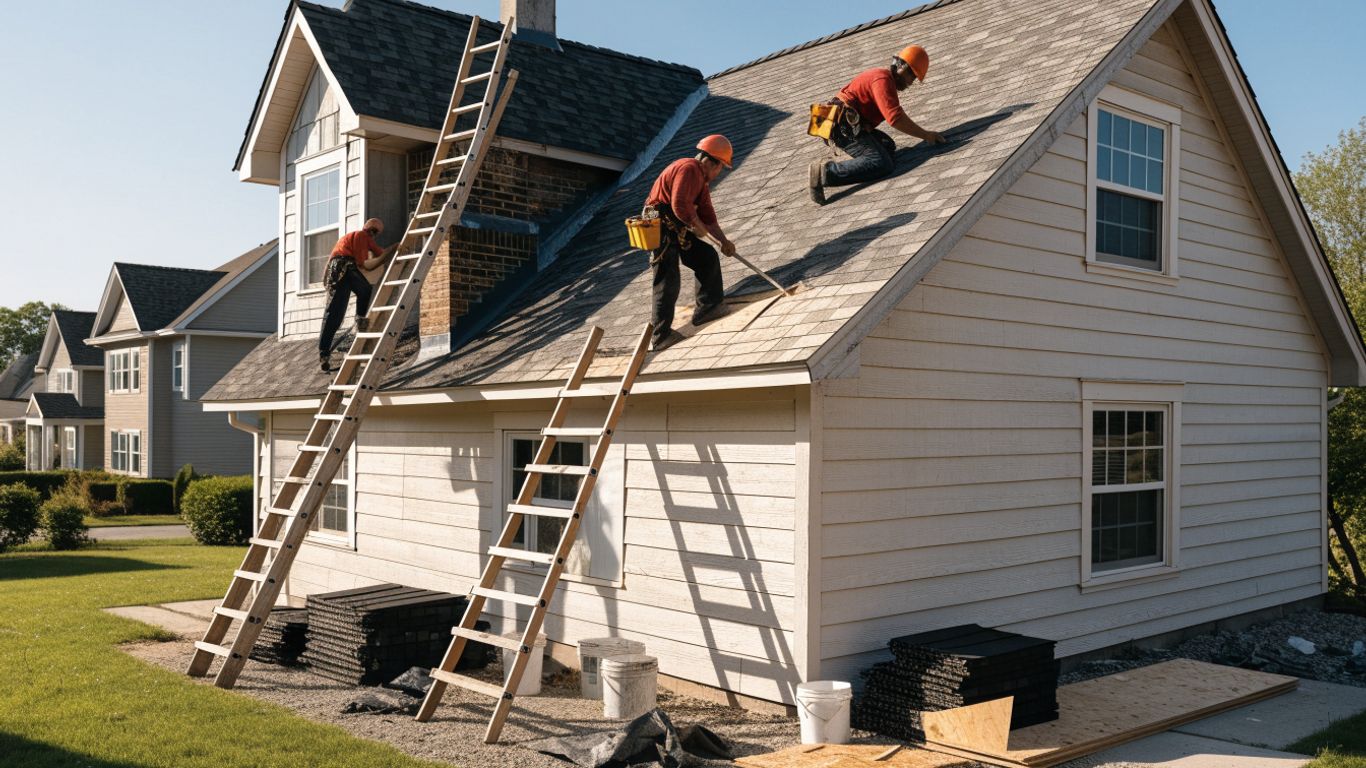
Warm months suit homeowners who want exterior work done in comfortable conditions, and they bring more competition for dates. If you hope to book during a busy stretch, start early enough to finish the inspection and material decisions before your preferred month. Ask for current availability instead of assuming a typical wait applies.
If you need a particular week, contact contractors well ahead of it so there is time to confirm the scope and availability. If you are flexible within a season, share a range of acceptable dates, because that gives the scheduler more options. If you want a quieter period, ask which upcoming dates are open. If the date matters because of travel, guests, or other home projects, say so before you accept a tentative opening.
Fall and Winter: Shorter Waits, Tighter Weather Windows
Outside the busiest months you may find more scheduling flexibility, but a shorter wait for a slot does not mean weather matters less. Cold, precipitation, and shorter daylight all affect the crew’s plan, and material requirements still apply. Ask whether the contractor expects to proceed in the conditions typical for your planned dates.
If your roof can safely wait, weigh the benefit of a nearer booking against the chance that weather moves the work. If you are unsure it can make it through the cold, read the warning signs a roof will not survive winter first. If it cannot wait, explain the roof’s condition and ask what temporary steps are appropriate while you arrange the permanent work.
When You Can’t Wait: Active Leaks and Storm Damage
An active leak or visible storm damage changes the goal from finding an ideal date to limiting further damage and getting the roof assessed. Call a roofer promptly, describe what you see, and ask what to do until the roof can be inspected. If water is entering the home, protect people and belongings first, and stay off a wet or damaged roof.
Temporary protection or a repair may be needed before a full replacement can be scheduled. Ask what the immediate work is meant to address and how it relates to a later replacement, and do not treat a temporary fix as a substitute for assessing the underlying roof. If you are still deciding whether the roof needs replacing at all, these signs it is time to replace your roof can help.
If the damage may involve an insurance claim, document what you can safely observe, keep notes about calls and inspections, and check with your insurer about its process. In an urgent situation a contractor may be able to discuss next steps sooner than a standard booking, but availability depends on the circumstances.
How Long Does the Installation Itself Take?
The wait to get on the calendar and the installation itself are two different parts of the schedule. Most homes are finished in one to two days once the crew arrives, while a larger or more complex roof takes longer. Treat any estimate as specific to your home, not a promise that every roof follows the same timetable.
Roof size, access, the chosen materials, and any repairs found during tear-off all affect the workday, and weather can interrupt progress or delay the start. If you are trying to plan how long before a new roof is installed, ask separately about the wait for a date and the likely number of workdays. That lets you arrange parking, pets, childcare, or time away from home without assuming the project will follow an exact clock.
How to Prepare Your Home Before the Crew Arrives
Once your date is confirmed, ask the contractor what preparation your home needs. The crew needs clear access around the house, and work overhead creates noise and vibration indoors. Follow the contractor’s instructions if they differ from general advice. Before installation, these tasks make the day smoother:
- Move vehicles away from the work area and driveway.
- Secure fragile items on shelves or walls if the contractor recommends it.
- Keep children and pets away from the active work zone.
- Confirm where the crew can place materials and equipment.
These steps help with access and cut avoidable disruption, but they do not replace project-specific directions. Ask whether outdoor furniture, satellite equipment, or other items need special handling, and confirm who is responsible for moving them.
Scheduling Questions to Ask Before You Lock In a Date
A date is more useful when you know what it depends on. Before you confirm, ask what must be finalized first, whether the materials are available, and how you will be told if something changes. Ask how weather postponements are handled, when the crew will reconfirm, and whether you need to be home. Make sure you know how to reach the person coordinating the work.
Finally, confirm the scope and the process for approving unexpected repairs. A clear answer helps you tell a normal schedule adjustment from a change to the work itself. For a fuller list on vetting a company, see these questions to ask a roofing contractor before you hire. If you have a deadline, repeat it and ask whether the proposed timing leaves room for delays.
Scheduling Mistakes That Push Your Project Back
One common cause of delay is waiting too long to request an inspection, especially when you have a narrow date range. Another is putting off material decisions until after a crew date has been discussed, which leaves too little time to coordinate the work. Treating a tentative date as final, or assuming the weather will cooperate, also creates confusion. Ask what can change the schedule and how you will hear about a postponement, and keep your phone and email details current.
Avoid approving a quote you do not fully understand, or one that does not explain how hidden repairs are handled. Homeowners who feel rushed are also the ones most exposed to roofing scams, so slow down and ask your questions before work begins instead of resolving them with a crew on site.
Your Booking Checklist: A Step-by-Step Timeline
Work backward from the date you want the roof finished, leaving room for the inspection, the material decisions, and weather. Your contractor can tell you which steps apply to your project and how long each may take. A practical sequence looks like this:
- Contact contractors and arrange an inspection.
- Review the written scope and ask about anything unclear.
- Confirm the material choices and what needs to be ordered.
- Compare the contractor’s current availability with your ideal and latest acceptable dates.
- Reconfirm the date, expected duration, access needs, and weather plan before installation.
If the roof has an urgent problem, tell the contractor at the start of the conversation instead of waiting for a routine appointment.
Conclusion
Starting the conversation early is the simplest way to keep your options open and avoid last-minute pressure. When you book a new roof in Georgetown with time to spare, you can compare written scopes, settle on materials, and pick a date that works for your household. Your actual timeline depends on contractor availability, materials, weather, and the condition of the roof, so ask direct questions and stay flexible where you can. If a leak or storm damage makes things urgent, get an assessment right away instead of waiting for the ideal season.
Book Your Free Georgetown Roof Inspection
If you are thinking about a new roof, the inspection is the first step and the best way to learn your real timeline. We will tell you honestly whether your roof has reliable years left, whether a targeted repair makes sense, or whether replacement is the better value. Our crews hold Ontario’s mandatory Working at Heights certification and are covered by WSIB.
Book your free roof inspection or request a quote by calling 647-771-1554.
Frequently Asked Questions
How far ahead should I book a new roof in Georgetown?
Call as soon as you know the roof is aging or damaged. There is no fixed wait, because lead time depends on the season, roof size, materials, and weather, so ask for current availability at your inspection. If you need a specific week, call even earlier.
Can I get a roof installed sooner if it is leaking?
Often, though, timing depends on the crew’s schedule and the roof’s condition. Tell the contractor that water is entering the home and ask about an assessment and temporary protection while you plan the permanent work.
How long does a new roof installation take?
Most homes are finished in one to two days once the crew arrives. Larger or more complex roofs take longer, and repairs found during tear-off or bad weather can extend the schedule. Ask for an estimate specific to your home.
What happens if bad weather delays installation?
The contractor may postpone work if conditions are unsafe or unsuitable for the materials. Ask in advance how a delay will be communicated and how a new date is arranged, so you are not left guessing.
Should I choose materials before I book?
You can ask about availability before every choice is final, but confirm when selections must be made and whether material availability affects the schedule. Finalizing the scope early helps the contractor plan the work.
