Most Mississauga homeowners ask the same question once a new roof is on the table: should you replace your eavestroughs when you get a new roof, or keep what is already there? The honest answer is that it depends on their condition and on what the roofing work will do at the roof edge. A new roof does not automatically mean new eavestroughs, but a leaking or sagging system installed next to fresh shingles is a weak point you would be paying to live with. We work at the roof edge on every replacement, so this guide explains how the two systems work together, the signs that point to replacement, when keeping your existing eavestroughs is the smarter choice, and what to ask your roofer before you decide.
Key Takeaways
The decision should follow the condition of your eavestroughs and the work planned at the roof edge:
- Replace eavestroughs that are damaged, leaking, pulling loose, or no longer draining properly.
- Keep sound eavestroughs when they can be protected during the work and will suit the new roof edge.
- Ask how the roofing work will affect the existing eavestroughs, fascia, and drip edge.
- Choose eavestrough capacity and downspout locations based on your roof area and drainage needs.
- Discuss guards, winter drainage, and the full installation sequence before you approve the work.
The Short Answer: When It Makes Sense to Do Both Together
You do not automatically need new eavestroughs just because you are getting a new roof. The right call depends on how well the existing system works, its age and condition, and whether roof-edge work will disturb it. If you are planning roof replacement in Mississauga, look at the eavestroughs and at the places where they meet the roof and fascia, not only at the shingles.
Replacing both at once is worth considering when the eavestroughs leak, sag, overflow, or have failing joints, or when they would need to come off for the roof work anyway. Doing the jobs together also lets the roof-edge components and the eavestroughs go in the right sequence. Ask your roofer to explain what must be moved or replaced instead of assuming a new roof requires new eavestroughs.
If the existing system is secure, drains well, and can stay undamaged during the roof project, keeping it is reasonable. A sound assessment checks the fascia, where the water drains, and whether the eavestroughs will still catch runoff properly afterward. This is a condition-based decision, not a rule that every home needs both done together.
How Eavestroughs and Your Roof Work as One System
The roof sheds rain and melting snow toward its edges, and the eavestroughs collect that water and send it to the downspouts. If any part of that route is misaligned, blocked, or damaged, water spills next to the house instead of draining away. Treating the roof and the drainage as one system helps you spot problems that are not obvious from the ground, and it is why eavestroughs appear among the components of a roofing system.
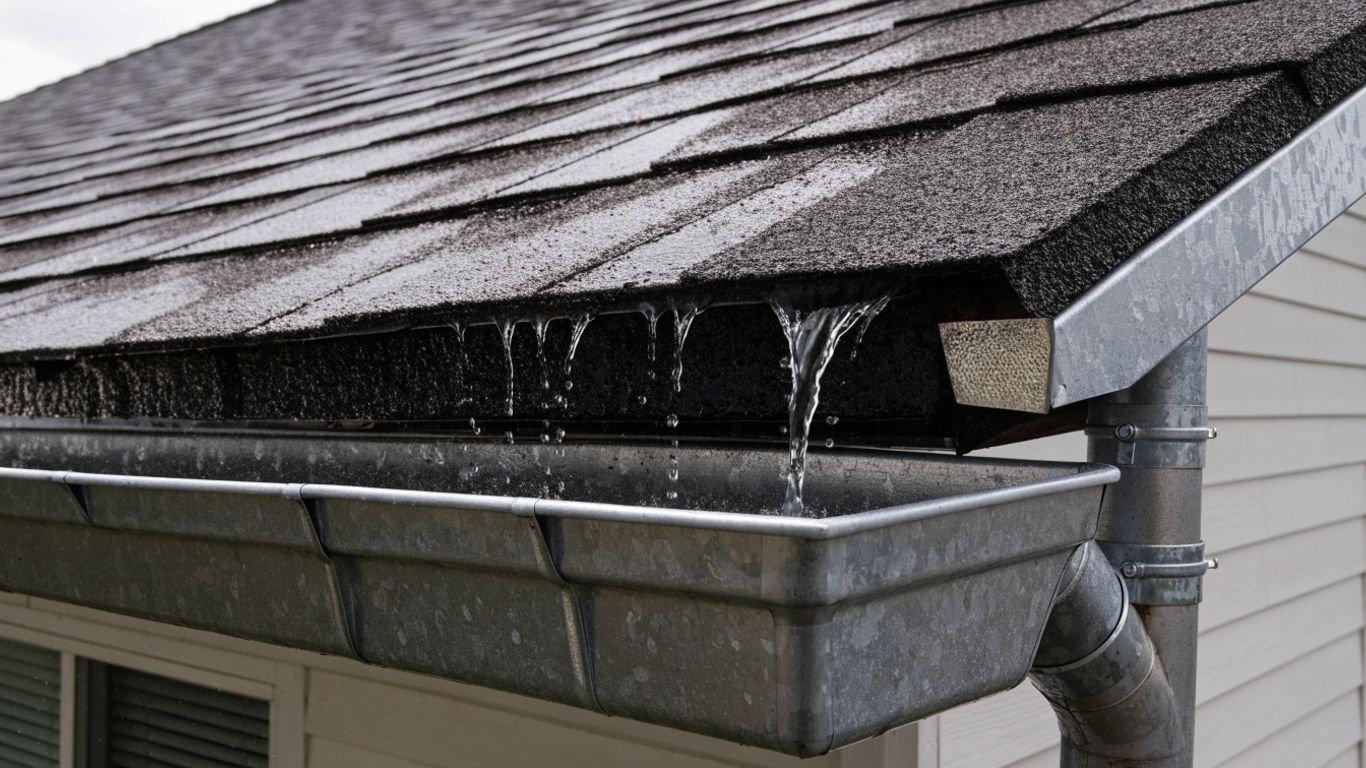
How Water Moves From Shingles to Downspouts
Water runs down the roof surface and reaches the eaves, where the roof edge should guide it into the trough. The trough then carries it to a downspout and away from the foundation. If water skips over the trough, pools in it, or escapes at a joint, the cause may be the eavestrough, its position, or the roof-edge details.
A new roof can change how the shingles, drip edge, and existing eavestroughs relate to each other. Ask how the finished roof edge will direct water into the trough and whether the existing system needs adjustment.
Where the Roof Edge, Fascia, and Eavestrough Meet
The eavestrough is fastened near the fascia, so the condition of that board matters as much as the visible trough. Soft, damaged, or loose fascia cannot hold hangers securely. At the roof edge, the roofer also has to account for the drip edge and the layers beneath the shingles, such as the roof underlayment, because they decide where water goes as it leaves the roof.
Before work begins, ask the roofer to inspect these connected parts and explain what happens if hidden damage turns up. If the eavestroughs are staying, clarify how they will be protected and whether their position still suits the finished roof edge.
Signs Your Eavestroughs Need Replacing, Not Just Cleaning
Cleaning clears leaves and debris that slow drainage, but it will not repair a failing trough or loose supports. Look at the full run, the corners, the joints, and the downspouts, and note whether problems show up in one spot or in several. Repeated issues across the system point toward replacement instead of another isolated repair.
Sagging, Pulling Away, or Visible Gaps
A trough that dips between hangers holds standing water instead of carrying it to the downspout. Pulling away from the fascia, loose fasteners, or gaps at the roof edge let runoff escape behind or around the trough. If the supports or the fascia are the problem, find out what needs repair before deciding whether a new trough alone will solve it.
Rust, Cracks, and Leaks at the Seams
Rust, splits, and persistent leaks mean the material or the joints have deteriorated. One small leak may be repairable, but several leaking seams or cracks along a run suggest a broader problem. Check the corners and connections as well as the straight sections, since wear there is easy to miss from the ground.
Overflow, Ice Buildup, and Stained Siding
Overflow during rain can come from a clog, a poorly placed downspout, an undersized or damaged section, or a trough that no longer slopes correctly. Stains on siding and water marks below the eaves show where runoff is escaping, and heavy debris from overhanging trees is a common cause of repeat overflow. Ice buildup is another reason to inspect drainage and roof-edge conditions, and it appears among the warning signs a roof won’t survive winter, though new eavestroughs alone will not fix every winter water problem.
Benefits of Replacing Eavestroughs During a Roof Replacement
When the eavestroughs are already due for replacement, coordinating the work with a new roof simplifies planning around the roof edge. It also gives you a chance to assess the fascia and drainage as part of the same project. The benefit depends on your home, so ask for a clear explanation of what the combined scope includes.
Easier Access and a Cleaner Fit at the Roof Edge
Roof replacement involves work close to the eaves, where the shingles, drip edge, fascia, and eavestrough meet. If old eavestroughs need to come off or are in the way, installing new ones as part of the project makes it easier to finish the roof edge and then fit the drainage system to it. Ask the roofer to describe the sequence for your particular home, not just promise a cleaner fit.
Protecting New Shingles and Fascia From Water Damage
Eavestroughs that carry water away properly reduce the chance of runoff spilling along the roof edge or down the exterior walls. They cannot make up for every roof or drainage problem, but a working system is an important part of directing water away from the home. If the existing troughs leak or sit poorly, replacing them while the roof edge is open avoids leaving a known weakness beside new roofing.
One Crew, One Schedule, Less Disruption
Planning the work together can mean fewer visits and one round of access coordination instead of two. It also makes the sequence easier to discuss, especially if the fascia or roof edge needs attention before new eavestroughs go on. Check exactly which removal, disposal, repair, and installation tasks the estimate includes, and compare it with what a roof replacement should include so nothing is left out. Our crews can handle eavestroughs and downspouts in the same project, and it is worth asking about bundle pricing when you request a quote.
When You Can Keep Your Existing Eavestroughs
Keeping the existing eavestroughs makes sense if they are secure, free of significant leaks, and able to drain water effectively. Clean them and inspect the joints, corners, hangers, and downspouts before the roof project begins. If the system already handles ordinary rainfall without overflowing, it does not need replacing just because the shingles are new.
The roof work still has to be compatible with leaving them in place. Ask whether the roof-edge work can be completed without damaging them and whether they will stay correctly positioned to catch runoff. If they need to be moved, clarify how that will be done and what happens if an older section or connection cannot be put back in dependable condition.
Keeping them is less appealing when the eavestroughs are near the end of their useful life or keep having the same problems. Consider the fascia behind them too, because sound-looking troughs attached to deteriorated wood are not secure. If the roof budget is part of the decision, see the factors behind roof replacement costs in Mississauga before you decide what to add to the scope.
Eavestrough Materials and Styles for Mississauga Homes
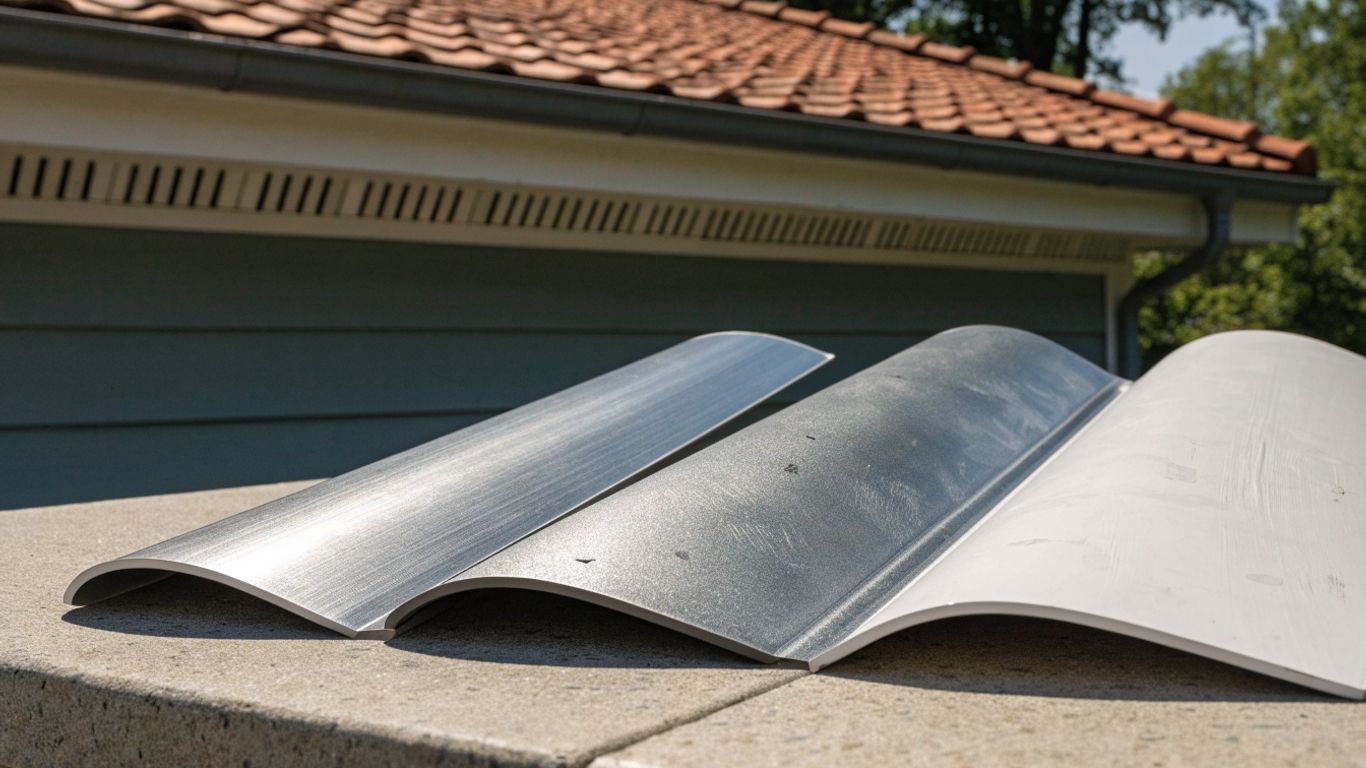
Material choice affects appearance, maintenance, and how well a system suits your home. Common options include aluminum, steel, and vinyl, but availability and performance vary by product and installation. Consider your budget, the look of the exterior, and how much maintenance you are willing to do. The table is a starting point for a conversation with your installer, not a verdict.
| Material | Points to consider | Useful question to ask |
|---|---|---|
| Aluminum | A common choice with a range of finishes and styles | What finish and installation method suit my home? |
| Steel | A sturdy option whose coating and upkeep deserve attention | How should I check and maintain the finish? |
| Vinyl | A lightweight option that may suit some homes and budgets | Is this product appropriate for my roofline and exposure? |
Material alone does not decide whether an eavestrough drains well. Correct sizing, secure supports, sound joints, and suitable downspout locations matter just as much, so compare complete systems instead of choosing on a sample or the lowest initial price.
Sizing and Downspout Placement for Mississauga Rain and Snowmelt
The eavestroughs and downspouts must handle runoff from the roof areas they serve and carry it away from the house. Roof size and shape, the number of valleys, and the places where water concentrates all affect the layout. Ask your installer to explain how the proposed system accounts for your roof instead of choosing a size by appearance.
Downspout placement matters because even a well-sized trough needs a clear route for the water to leave. The installer should consider where runoff can be directed safely and how the outlet relates to paths, landscaping, and the foundation. If water regularly spills over during heavy rain, work out whether the cause is capacity, a blockage, slope, or placement before you settle on a fix. These questions keep the conversation specific:
- Which roof sections drain into each eavestrough run?
- Where will water collect or move fastest during a downpour?
- Are downspouts placed to serve the long or heavily loaded runs?
- Where will each downspout discharge, and can that spot be kept clear?
The answers should connect the roof’s shape to the drainage plan and show how water leaves the property without creating a new problem nearby. If your existing eavestroughs are staying, ask whether their capacity and downspout locations still suit the finished roof.
Are Gutter Guards Worth Adding With a New Roof?
Gutter guards reduce the leaves and larger debris that enter an eavestrough, but they do not make maintenance unnecessary. Their value depends on the trees around your home, how often debris collects, and whether your eavestroughs are otherwise working well. Treat them as an optional part of the drainage plan, not a fix for a damaged or poorly draining system.
If you are considering guards during a roof project, ask how the product fits with the eavestroughs and roof edge. The type of guard, how it is installed, and access for future cleaning all affect whether it suits your home. Make sure the eavestroughs are clean and in sound condition before anything is added on top of them.
Also ask what maintenance will still be needed. Fine debris can collect on top of some guards, and water may not enter properly if a guard is unsuitable or poorly fitted. Ask for product-specific care instructions and weigh the ongoing upkeep against the amount of debris you deal with today.
Winter Concerns: Ice Dams, Freeze-Thaw, and Drainage
Mississauga winters bring snow, thaws, and refreezing, and all of it tests your drainage paths. Eavestroughs need to be clear enough to carry meltwater, and the roof and attic conditions also play a role in ice problems. A new eavestrough system is not a guarantee against ice dams.
Before winter, remove debris and check that water can travel through the troughs and downspouts. If ice builds up in the same place every year, ask a qualified roofer to assess the roof and the drainage together, because recurring dams often trace back to heat loss and poor attic ventilation. Where ice has already formed, professional ice dam removal is safer than chipping at it. Stay off an icy roof and do not break up ice in a way that could damage shingles or eavestroughs.
Good winter preparation starts with a clear path for water and realistic expectations about what each part of the home can control. If you have recurring ice buildup, ask what further inspection or maintenance is appropriate for your situation.
What to Ask Your Roofer Before You Decide
A useful estimate makes clear whether the eavestroughs will stay, be removed, or be replaced, and why. Ask how the planned roof-edge work affects the existing system and whether the fascia will be inspected. If a condition cannot be confirmed until work begins, ask how any additional repair will be discussed and approved. For a broader checklist on vetting a company, see these questions to ask a roofing contractor. These questions help you compare proposals:
- Are my existing eavestroughs in good enough condition to keep?
- What work is planned at the fascia and roof edge, including the drip edge?
- If the eavestroughs stay, how will they be protected and checked afterward?
- If I replace them, what material, sizing, and downspout layout are included?
The answers should be specific to your home and separate necessary work from optional upgrades. Ask for removal, installation, disposal, and any likely repairs to be listed clearly so you can compare estimates on the same basis. A careful conversation now makes the decision about a new roof and eavestroughs in Mississauga much easier to judge.
Conclusion
Whether you replace your eavestroughs when you get a new roof depends on their condition, the work needed at the roof edge, and whether the existing system will keep draining effectively. Have your roofer explain the sequence and inspect the fascia, eavestroughs, and downspouts together. If the current system is sound and can be protected, keeping it is reasonable. If it is failing, coordinating replacement with the roof is a practical choice that avoids a weak point beside new shingles.
Get a Free Roof and Eavestrough Assessment in Mississauga
If you are planning a new roof and are unsure about your eavestroughs, Above It All Roofing can check both in one visit. We will tell you honestly whether your existing system can stay, needs repair, or should be replaced with the roof. Our crews hold Ontario’s mandatory Working at Heights certification and are covered by WSIB.
Book a free roof inspection or request a quote by calling 647-771-1554, and ask about bundle pricing on eavestroughs with a new roof.
Frequently Asked Questions
Do eavestroughs always need to be replaced with a new roof?
No. If they are in good condition, drain properly, and can stay in place or be handled safely during the roof work, you may be able to keep them.
How can I tell whether my eavestroughs need replacing?
Look for recurring leaks, cracks, rust, sagging, loose hangers, overflow, or sections pulling away from the fascia. Persistent problems in several areas point toward replacement instead of a small repair.
Should eavestroughs be installed before or after a new roof?
When both are being replaced, ask the roofer to explain the sequence for your home. Roof-edge and fascia work generally need to be considered before the new eavestroughs are fitted.
Will new eavestroughs prevent ice dams?
Not on their own. Ice dams involve roof and attic conditions as well as drainage, so recurring ice should be assessed as a broader issue.
Are gutter guards necessary when replacing eavestroughs?
No. They may reduce debris entering the troughs, but their value depends on your surroundings and maintenance needs, and they do not remove the need for inspection and cleaning.