Key Takeaways
Roof underlayment is a hidden part of the roofing system, but it has a very visible job when shingles are damaged or weather turns severe.
- Underlayment adds a secondary layer of water protection beneath the shingles.
- Felt, synthetic sheets, and self-adhered membranes serve different purposes.
- Eaves, valleys, and roof penetrations deserve particular attention in Mississauga.
- Building-code minimums are not always the same as good long-term practice.
- A roof assessment can reveal underlayment problems before interior damage spreads.
Why Underlayment Matters More Than Most Homeowners Realize
Shingles get most of the attention because they are the part of the roof homeowners can see. Underneath them, roof underlayment Mississauga homes rely on acts as a backup barrier against wind-driven rain, melting snow, and moisture that finds its way below a lifted or broken shingle. It also provides a cleaner, more consistent surface for the roofing materials above it.
A roof is not just shingles nailed over wood. The decking, underlayment, flashing, shingles, ventilation, and drainage details work together, and a weakness in one layer can affect the others. This broader view is explained in our guide to the complete roofing system, which is useful when you are trying to understand why a small leak may involve more than one repair.
Underlayment is especially valuable during the period between a roofing problem and its repair. It may limit how quickly water reaches the deck and attic, but it is not designed to compensate forever for missing shingles, poor flashing, or standing water. The hidden layers matter because they determine how much protection remains when the outer surface is no longer perfect.
Underlayment Materials, Explained
The main types of roof underlayment differ in composition, handling, and resistance to moisture. The right choice depends on the roof design, local conditions, the shingles being installed, and the manufacturer’s installation requirements. A good roofing assessment considers the entire assembly rather than choosing a material in isolation.
Asphalt-Saturated Felt
Felt underlayment is made from a fibrous base saturated with asphalt. It has been used for decades and can provide a practical secondary moisture barrier when installed correctly. It is generally less resistant to tearing and prolonged exposure than many newer products, so it should not be left uncovered longer than the installation instructions allow.
Synthetic Sheet Underlayment
Synthetic underlayment is typically made from polymer-based materials designed to be lighter and more tear-resistant than traditional felt. It often covers a roof deck efficiently and can remain more stable during installation, although the exact performance depends on the product. Seams, fasteners, laps, and roof penetrations still need careful treatment.
| Material | Typical strength | Main consideration |
|---|---|---|
| Asphalt-saturated felt | Familiar, economical coverage | More vulnerable to tearing and exposure |
| Synthetic sheet | Light and generally tear-resistant | Product instructions and fastening matter |
| Self-adhered membrane | Strong adhesion and water resistance | Higher cost and careful surface preparation |
This comparison is a starting point, not a substitute for reading the product data. The material that looks strongest on paper may not be the best fit for a complicated roof with many valleys, penetrations, or areas exposed to ice buildup.
Self-Adhered Ice & Water Membrane
A self-adhered ice and water membrane has a sticky backing that bonds to the prepared roof deck. It is used as a more targeted moisture barrier in vulnerable areas such as eaves, valleys, and around certain penetrations. Installation quality matters: dust, dampness, wrinkles, and poor laps can undermine the seal.
Where Ice & Water Shield Is Required, Not Just Recommended
Ice and water shield is a self-adhered membrane intended for areas where water can collect, back up, or move laterally beneath the shingles. On many sloped roofs, that means the lower edges and valleys deserve special attention. The specific requirements depend on the applicable code, roof design, and installation instructions, so a contractor should confirm the details rather than apply one rule to every home.
At the eaves, melting snow can refreeze near the colder roof edge and create conditions that push water under the shingle courses. Valleys also concentrate runoff from two roof planes, making small installation errors more consequential. Roof-wall intersections, skylights, chimneys, and other penetrations may need carefully planned membrane and flashing details as well.
Ice and water shield cannot correct a drainage problem or replace properly installed flashing. It should be part of a coordinated system, with suitable overlaps and transitions to the remaining underlayment. Homeowners who want to understand the flashing side of the issue can also review our roof flashing guide before discussing repairs.
How to Tell Your Underlayment Has Already Failed
Underlayment is normally hidden, which makes failure difficult to identify from the ground. A ceiling stain, damp attic insulation, or musty smell may indicate that water has already passed through more than the shingles. By then, the visible symptom may be far from the original entry point.
During an inspection, a roofer may look for exposed or deteriorated material, gaps at laps, damaged decking, wet sheathing, and signs that fasteners or penetrations were not sealed properly. Shingles that appear intact do not guarantee that the layers beneath them are dry. Water can travel along the deck, rafters, or framing before it becomes visible indoors.
Do not assume every stain requires a complete roof replacement, but do not ignore it either. Repeated leaks, soft decking, widespread deterioration, or underlayment that has been exposed for an extended period can change the scope of work. If you’re already seeing active leaking, our roof leaks repairs in Mississauga service covers diagnosis and repair. Prompt documentation after a storm can also help separate an isolated repair from a broader system problem.
Mississauga’s Climate and Why Underlayment Choice Matters Here
Mississauga roofs experience snow, rain, wind, sun, and repeated freeze-thaw movement. Moisture may enter through a small weakness, freeze as temperatures drop, and then move farther when it melts. That cycle places extra importance on well-detailed eaves, valleys, penetrations, and transitions.
The local setting also affects how long a roof stays wet. Nearby trees can slow drying and drop debris into valleys, while low-slope sections may drain more slowly than the main roof planes. A material choice that works well on a simple, steep roof may need different detailing on a complex roof with dormers or several intersecting planes. For more on how these conditions play out across a full roof system, our post on common roofing mistakes to avoid in Mississauga covers several related issues we see often.
Climate alone does not determine the right underlayment. Roof pitch, shingle type, ventilation, deck condition, and workmanship all matter. The practical goal is a continuous, properly fastened and sealed layer that supports the rest of the roofing system through local weather cycles.
One Layer or Two? Building Code Minimums vs. Best Practice
A homeowner may hear that one layer of underlayment is enough, while a contractor recommends additional membrane in vulnerable areas. These statements are not necessarily contradictory. Building codes establish minimum requirements, while best practice may involve extra protection based on the roof’s design and exposure.
Additional layers are most useful when they address a specific risk rather than simply adding material everywhere. Eaves, valleys, sidewalls, and penetrations may need different treatment from the broad field of the roof. The installation must still follow the shingle and membrane manufacturers’ instructions, since extra material can create problems if laps or transitions are handled poorly.
Before accepting either approach, ask what each layer is intended to do and where it will be installed. A written scope should identify the underlayment type, membrane locations, deck repairs, flashing work, and ventilation details. That makes it easier to compare proposals based on the finished roofing system instead of the number of rolls used.
Underlayment and Your Roof Warranty: What Manufacturers Actually Require
Roof warranties commonly depend on installation that follows the shingle manufacturer’s specifications. Those specifications may identify approved underlayment, required membrane locations, fastening patterns, ventilation, and treatment around roof penetrations. The exact requirements vary, so a generic promise that a roof is “warranted” does not answer every installation question.
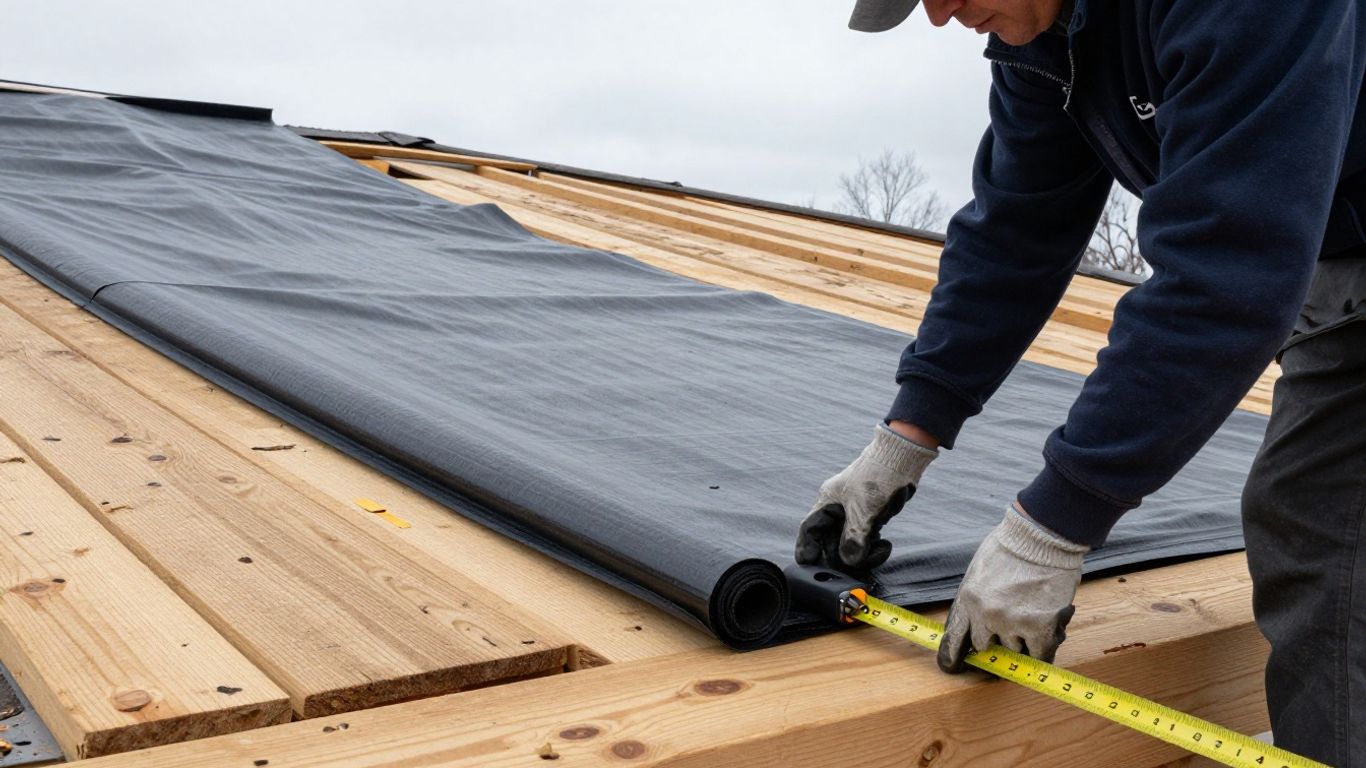
Keep the product information, written scope, invoices, and inspection records together. If a claim ever arises, those documents can help show what materials were used and how the work was described. A warranty may cover a material defect without covering damage caused by poor installation, neglected maintenance, or unrelated building movement.
Ask the installer which instructions apply to the specific shingles and underlayment selected. Our Mississauga replacement process includes ice and water shield, synthetic underlayment, and shingles installed to manufacturer specifications; homeowners should still request those details in their own written quote. Clear documentation is more useful than relying on verbal assurances.
How Long Underlayment Actually Lasts Before It Needs Replacing
Underlayment does not have one universal service life. Its durability depends on the material, exposure before the shingles were installed, roof ventilation, moisture levels, ultraviolet exposure, and the condition of the outer roof. It may remain functional for many years when protected, but it is not normally treated as an independently replaceable layer during routine maintenance.
When shingles are replaced, the existing underlayment is often inspected and replaced as part of the roof assembly. That gives the installer a chance to examine the deck and rebuild vulnerable details rather than covering older material with a new surface. If underlayment has been exposed to weather or saturated repeatedly, replacement may be sensible even if some areas look acceptable.
Age by itself is not a diagnosis. A newer roof can have failed underlayment because of installation defects or storm damage, while an older roof may show no obvious interior symptoms yet. Inspection findings, leak history, material condition, and the roof’s remaining life should guide the decision.
DIY Underlayment Repair: When It’s Safe (and When It Isn’t)
A homeowner can safely perform a few ground-level checks, such as looking for missing shingles, displaced flashing, or water stains in the attic with a flashlight. Walking on a roof, lifting shingle courses, or cutting into membrane is a different matter. Slippery surfaces, hidden deck damage, and electrical or ladder hazards can turn a small repair into an injury.
If you are deciding whether to call for help, these warning signs should move the work beyond a simple visual check:
- Water appears during or immediately after rain.
- The attic deck feels soft, damp, or deteriorated.
- Shingles, flashing, or membrane are missing across a wider area.
- A leak returns after a temporary patch.
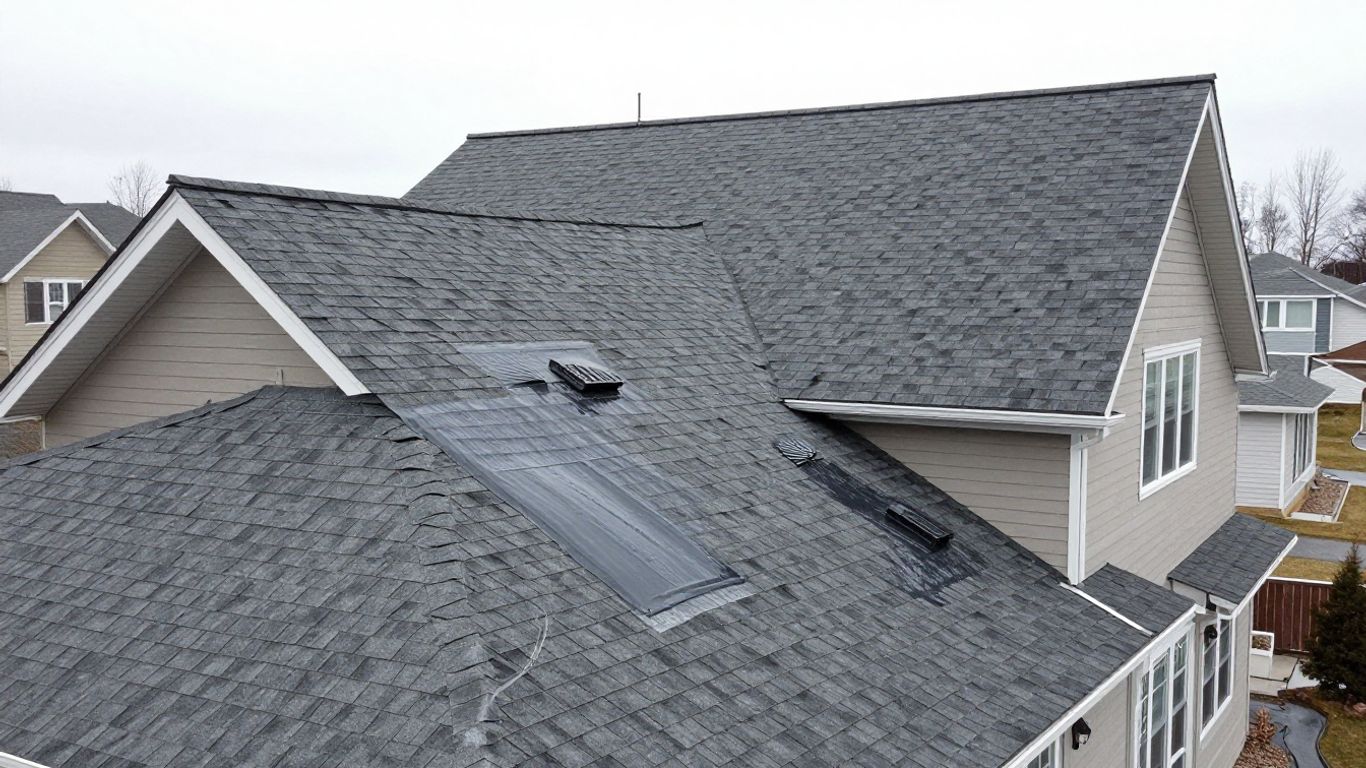
Those signs suggest that the source may be under the shingles or around a transition that is difficult to diagnose from above. A temporary tarp can sometimes limit further exposure when installed safely, but it is not a permanent underlayment repair. If you’re dealing with active water intrusion right now, our emergency roof repair in Mississauga team is available for exactly this kind of situation. Otherwise, photograph the area, limit interior water damage, and arrange a professional inspection.
What It Costs to Replace or Upgrade Underlayment in Mississauga
Underlayment cost is rarely a standalone line item since it’s usually installed as part of a repair or full replacement, but the material and coverage chosen still affect the total. Roof size, pitch, access, tear-off, deck repairs, and how much ice and water shield is needed all factor into the final price.
| Work scope | What may affect the cost | Typical price range (CAD) |
|---|---|---|
| Underlayment repair at a localized area (during a shingle repair) | Access, material type, extent of exposure | $300 – $800 |
| Synthetic underlayment upgrade during a partial reroof | Roof section size, deck condition | $1,000 – $2,500 |
| Full tear-off with synthetic underlayment and ice and water shield at eaves/valleys | Roof size, pitch, deck repairs, membrane coverage | $8,000 – $18,000+ |
That top range reflects a full roof replacement where underlayment is one part of a larger scope, not underlayment alone. For a project of that size, see our roof replacement services for Mississauga for what’s included. The comparison should focus on the complete scope, not just the cheapest underlayment line. A quote that clearly separates removal, deck work, membrane, flashing, shingles, ventilation, and cleanup gives you a much better basis for deciding.
Ready for a Roof Assessment? Here’s How Above It All Roofing Helps
A roof assessment should begin with the symptoms and the condition of the complete assembly, not with a predetermined material upgrade. The roofer can review visible shingles, flashing, drainage paths, penetrations, attic evidence, and accessible decking before explaining whether a repair or replacement is appropriate. That process helps identify where underlayment may be involved.
For Mississauga homeowners considering replacement, our process includes complete tear-off, decking repair, ice and water shield, synthetic underlayment, high-quality shingles installed to manufacturer specifications, attention to penetrations, and ridge ventilation. Those are documented elements of our replacement service, while the exact scope still depends on the property and the written quote.
Above It All Roofing has served Mississauga, Georgetown, Acton, Milton, Oakville, Burlington, Caledon, and Etobicoke for over 25 years. We’re a fully licensed, WSIB-insured Contractor. Book a free roof inspection in Mississauga to get practical next steps: what’s failing, what can wait, what needs immediate protection, and what the proposed work includes.
Conclusion
Roof underlayment is easy to overlook because shingles hide it, yet it plays a vital backup role when Mississauga weather tests the roof above. Understanding the material, the vulnerable areas, the warranty requirements, and the likely scope of work makes it easier to ask useful questions and choose repairs based on the complete roofing system. Contact us for roofing services!
Common Questions About Roof Underlayment
What is roof underlayment?
Roof underlayment is a protective layer installed over the roof deck and beneath the shingles or other roof covering. It helps manage moisture that gets beneath the outer roofing material.
Is felt underlayment still used?
Yes. Asphalt-saturated felt remains an option for some roofing assemblies, although synthetic sheet products and self-adhered membranes are also widely used. The installation requirements and roof design should guide the choice.
What is ice and water shield used for?
Ice and water shield is generally used in areas vulnerable to water backup or concentrated runoff, such as eaves, valleys, and selected penetrations. Its exact placement depends on the roof and applicable requirements.
Can underlayment stop every roof leak?
No. Underlayment is a secondary moisture barrier, not a replacement for sound shingles, flashing, drainage, and ventilation. A persistent leak still needs to be located and repaired.
Should underlayment be replaced with new shingles?
Often, underlayment is inspected and replaced during a full roof replacement because the shingles are already being removed. The final decision depends on its condition, exposure, and the scope of the project.