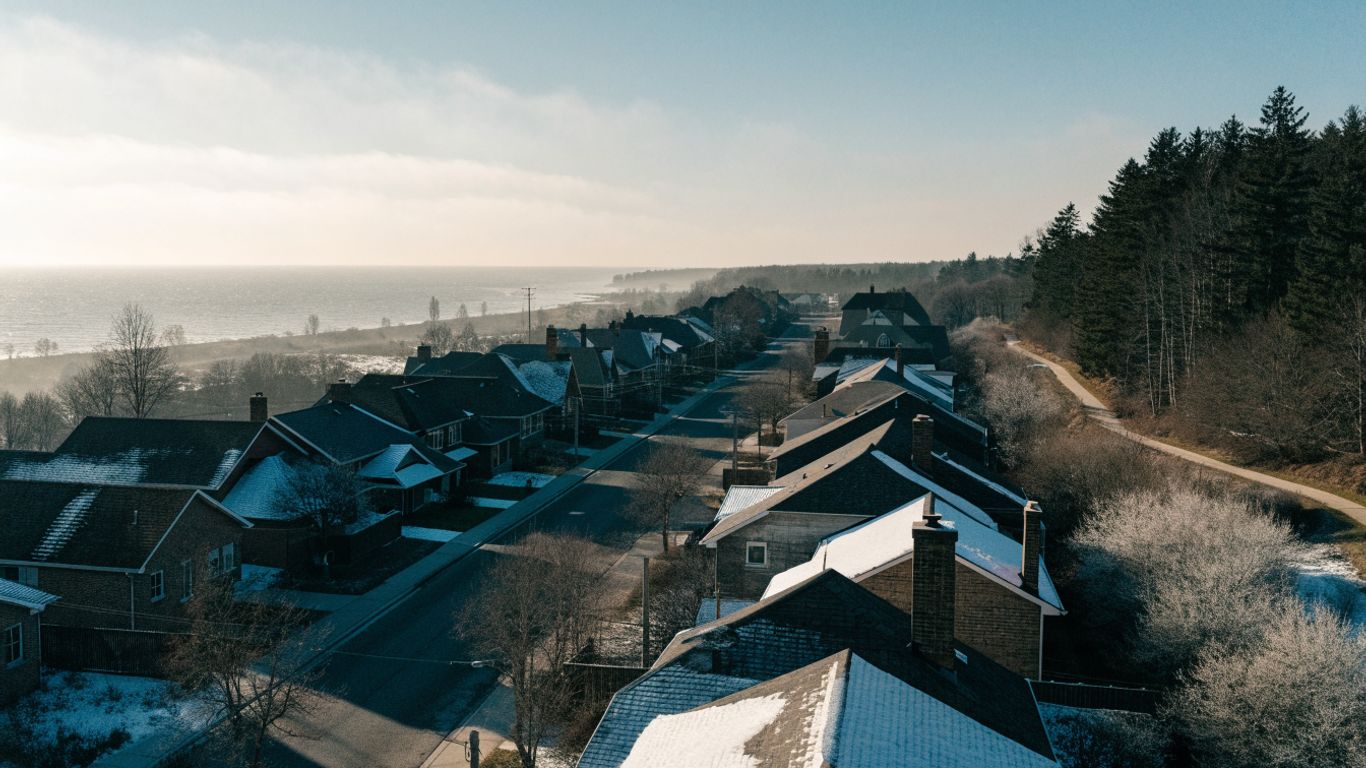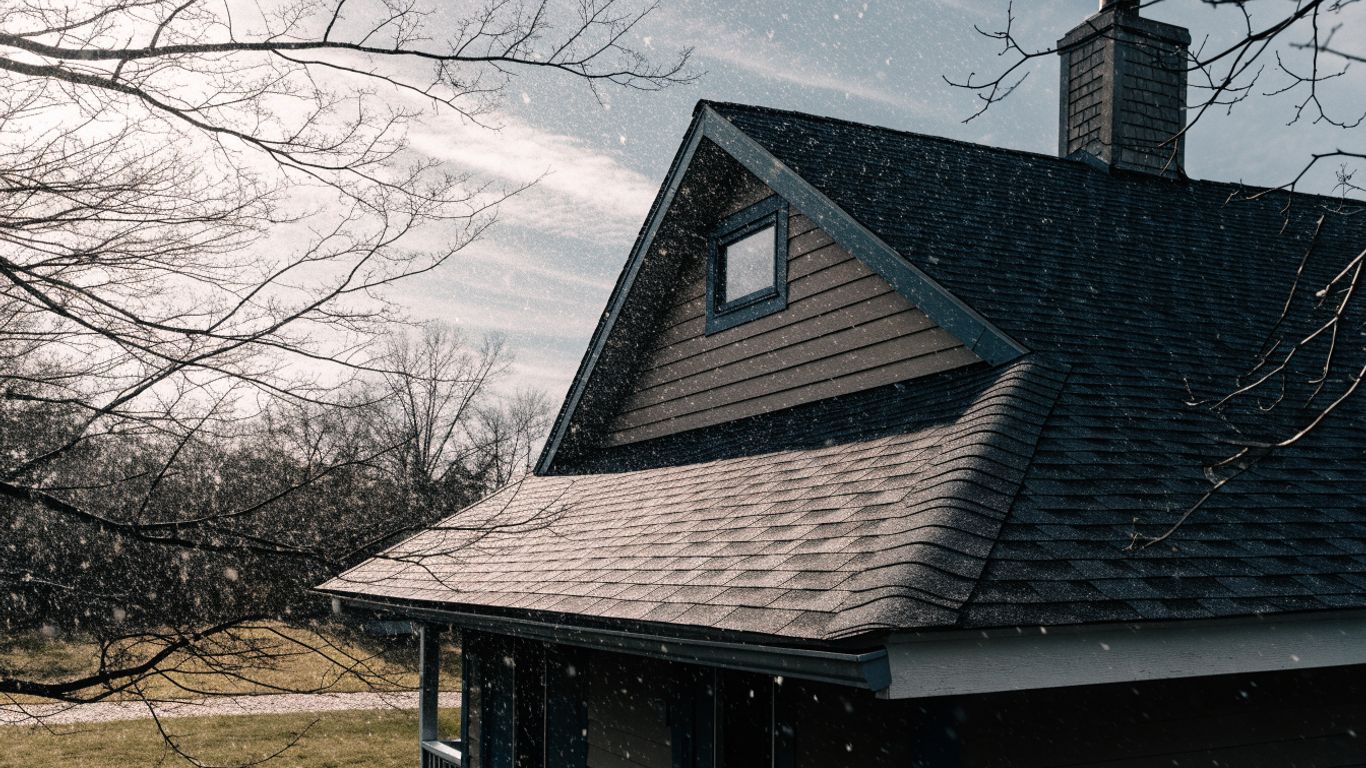
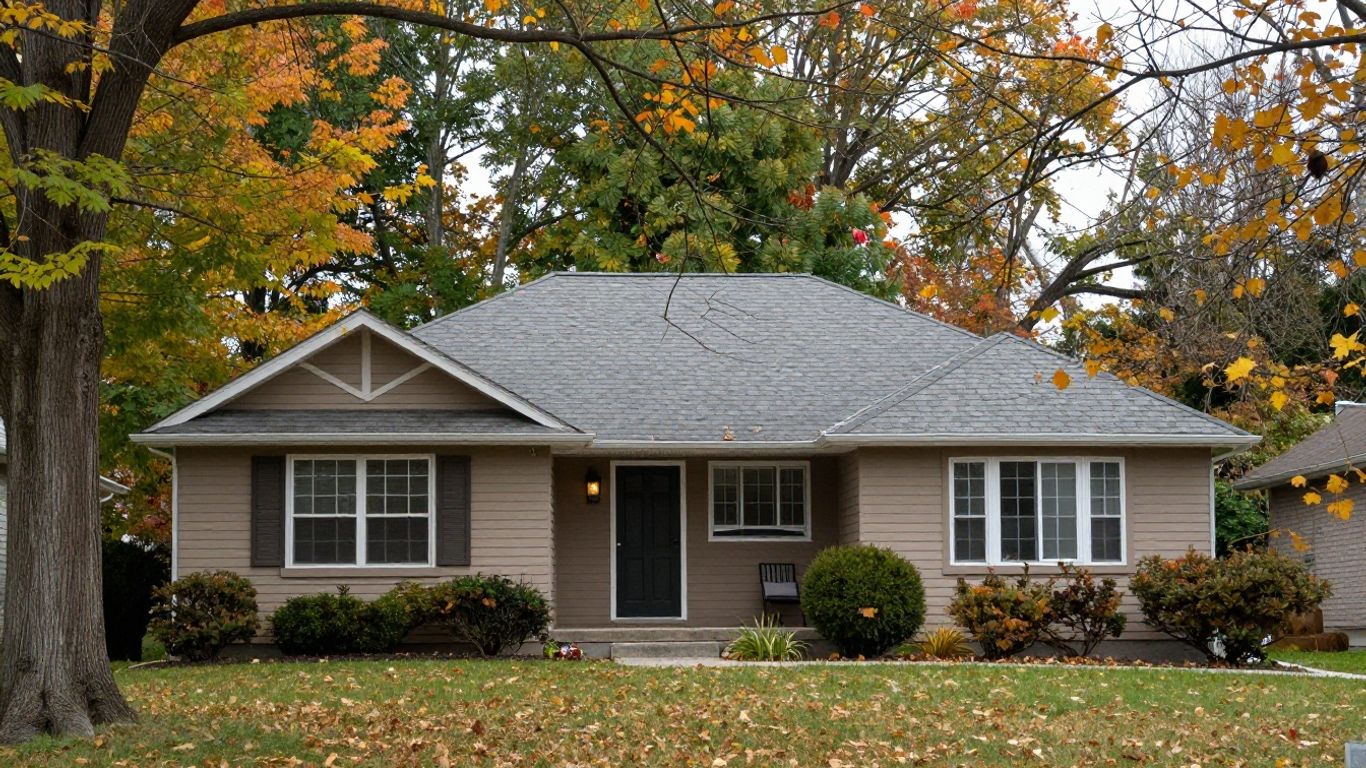
If you’ve noticed branches brushing your roofline every time the wind picks up, you’re not alone, it’s one of the most common concerns we hear from homeowners across Mississauga. A tree near roof Mississauga properties can offer welcome shade, but overhanging limbs also scrape shingles, clog gutters, and sometimes cross into municipal tree territory when the branch in question belongs to the City rather than your own yard. This guide walks through how to tell when a tree has become a real roofing risk, who’s responsible for dealing with it, and what Mississauga’s tree protection rules mean for your next move.
Key Takeaways
Trees can protect a home from sun and wind, but branches that touch or hang over a roof can create repeated maintenance and water-intrusion risks.
- Inspect the roof, attic, gutters, and nearby trees after severe weather.
- Confirm whether the tree is on private property, a neighbour’s property, or municipal land.
- Check Mississauga’s current tree-protection requirements before pruning or removing a tree.
- Keep branches clear of shingles, flashing, vents, and eavestroughs.
- Document damage and arrange a professional roof inspection before deciding between repair and replacement.
Why Overhanging Trees Are a Growing Problem for Mississauga Roofs
A tree near roof Mississauga homeowners often appreciate for shade can become a source of damage when its limbs grow into the roofline. Branches scrape shingles in wind, drop twigs into eavestroughs, and create damp, shaded conditions where moss and debris can remain for longer. Even a healthy tree can cause trouble if it is too close to the roof or has not been pruned for several seasons.
Mississauga weather adds to the wear. Heavy rain, snow, freezing temperatures, and strong wind repeatedly move branches against roofing materials and flashing. During a storm, a seemingly small limb can break and puncture a shingle, while a blocked gutter can send water behind the fascia or toward the foundation. That is why early roof attention is usually less disruptive than waiting for a visible interior leak.
The risk is not limited to the roof surface. Roots can affect nearby structures, wildlife can widen openings around soffits, and falling branches can damage siding, skylights, vehicles, or electrical lines. A practical maintenance routine should include the roof and the tree together rather than treating them as separate problems. Homeowners can also use this Mississauga roof maintenance guide when building a broader inspection schedule.
6 Warning Signs a Tree Is Already Damaging Your Roof
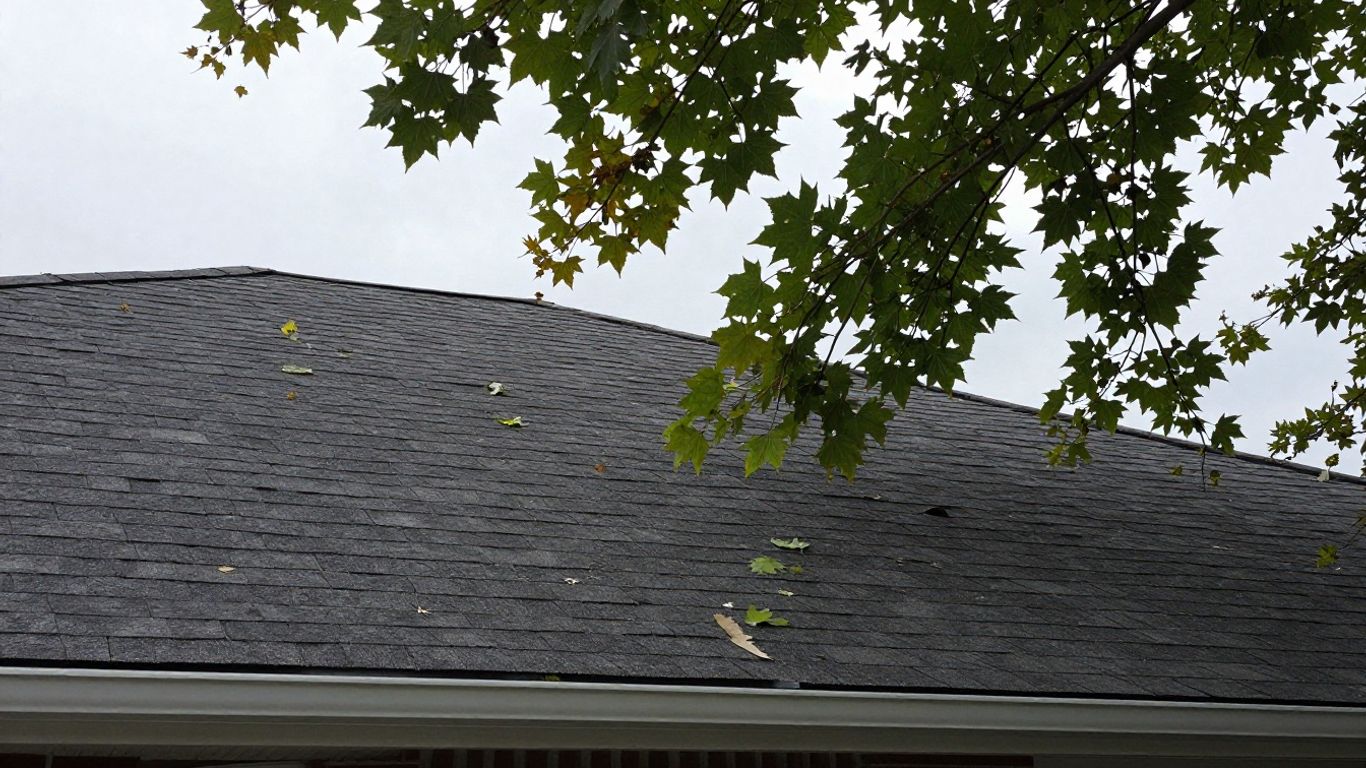
Tree-related damage is not always dramatic at first. A roof may continue to shed water while individual shingles, flashings, or drainage components slowly deteriorate. After a windy day or heavy rainfall, look from the ground where possible and avoid climbing onto a wet or steep roof.
Six signs deserve prompt attention: scraped or lifted shingles, piles of leaves and twigs, granules collecting in gutters, cracked flashing near a branch, damp marks in the attic or ceiling, and sagging areas along the roof edge. Any one of these may have another cause, but a tree pressing against the roof makes the connection more likely. A broken limb resting on the roof should be treated as an immediate safety concern.
Inside the home, water stains, musty odours, daylight visible through the attic, or wet insulation can indicate that water has already moved past the roof covering. Outside, check whether gutters overflow during rain or whether branches are touching vents and chimney materials. Do not assume that a leak is minor because the stain is small; water can travel along decking and framing before it appears indoors.
Who’s Responsible: You, Your Neighbour, or the City of Mississauga?
Responsibility usually begins with ownership and control of the tree, but the answer can become less obvious when branches cross a property line. Start by identifying the location of the trunk and documenting the condition of the tree and roof. Photographs, dates, and written communication can make a later discussion with a neighbour, insurer, or municipal department much clearer.
Trees on Your Own Property
If the trunk is on your land, you generally need to arrange and pay for routine care and address branches that threaten your home. That does not mean every task is suitable for a homeowner. Large limbs, leaning trees, ladders near a roof, and branches close to utility wires all call for qualified help and a careful plan.
Before work begins, confirm whether local rules apply to the tree’s size, condition, or proposed removal. A tree that appears to be in the way may also be supporting a larger limb or have hidden decay. Taking a quick photograph from several angles can help an arborist assess the situation without anyone stepping onto the roof.
Overhanging Trees From a Neighbour’s Yard
Branches that extend over your property do not automatically make the neighbour responsible for every resulting repair. Speak calmly, share clear photographs, and describe the specific concern—such as contact with shingles, blocked drainage, or a hazardous dead limb. Avoid cutting beyond what is reasonably necessary or making a cut that could destabilize the tree.
If the neighbour agrees to pruning, settle in writing who will choose the contractor, obtain any required permission, and pay for the work. If the tree is visibly hazardous or the roof has been damaged, keep your insurance provider informed and preserve evidence. A professional assessment is often more useful than an argument about where a branch crosses the boundary.
City-Owned Trees on Municipal Property
A tree standing between a sidewalk and the street, in a boulevard, or on other municipal property may fall under the City of Mississauga’s tree program rather than a homeowner’s private maintenance responsibilities. Report the concern through the City’s current service channels and describe the location, tree condition, proximity to the roof, and any immediate hazard.
Municipal ownership does not necessarily mean the City will remove a healthy tree because branches overhang a private roof. The City may inspect the tree, determine whether maintenance is appropriate, and decide what action fits its policies. Until the issue is assessed, do not attach equipment to the tree or arrange unauthorized removal.
Mississauga’s Tree Protection By-law: What Homeowners Need to Know
Mississauga’s tree rules can affect both pruning and removal, especially when a tree reaches the size threshold protected by the applicable by-law. Requirements can change, and exemptions may depend on the tree’s location, condition, and the work proposed. Check the City’s current guidance or contact the relevant municipal department before scheduling major work.
The by-law question is separate from the roofing question. A homeowner may have a genuine roof hazard but still need to follow the proper process before cutting a protected tree. Keep records of the tree’s measurements, photographs, contractor advice, and any municipal correspondence. Note that a tree removal permit is separate from any roofing paperwork — if storm or tree damage means you’re also facing a full re-roof, see our guide on whether you need a building permit to replace your roof in Mississauga.
The 15 cm Diameter Rule and When a Permit Is Required
The commonly referenced 15 cm diameter threshold is a key point for homeowners considering tree removal, but it should not be treated as a stand-alone permission test. Measure the trunk as directed by the City’s current instructions and confirm whether the tree is on private land, municipal land, or another regulated property. A permit or approval may be required when the tree meets the applicable threshold or other protected conditions.
Because measurement methods and exemptions matter, ask the City to confirm the current requirement before work is booked. If a tree is damaged, diseased, dead, or creating an urgent hazard, explain those facts and provide photographs. Emergency circumstances may have a separate process, but they should not be assumed without confirmation.
Pruning vs. Removal — What’s Allowed Without a Permit
Routine pruning is not the same as cutting down a tree, yet substantial pruning can still harm a protected tree or create a safety issue. Removing deadwood, reducing a branch that is rubbing against shingles, and removing an entire tree are different activities with different risks. A contractor should be able to explain the proposed cuts and identify any municipal approval that may be needed.
The safest approach is to confirm the rules first, then have the work performed by someone equipped for the tree’s size and position. Keep the written scope of work and any approval with your home records. This protects the tree, reduces the chance of a by-law problem, and gives a roofer useful context if the roof needs repair afterward.
How to Request Trimming or Removal of a City Tree Near Your Roof
When a municipal tree threatens a roof, report it with a precise address or nearby intersection, a description of the tree, and photographs taken from a safe location. Explain whether branches are touching the roof, whether a limb is broken, and whether there is an active leak or another immediate danger. Clear information helps the City direct the request for assessment.
Do not wait for a routine request if a tree or limb has fallen across the roof, blocked access, or created a danger near wires. Keep people away from the area and contact the appropriate emergency or utility service when necessary. A municipal request is not a substitute for protecting the home from ongoing water entry; temporary measures may be needed while the tree concern is reviewed.
Once the City responds, ask what was observed, what action is planned, and whether there is an expected timeline. Save the request number and all messages. If the City determines that no work is required, a private arborist can still evaluate branches on your property, while a roofer can document whether contact has caused damage.
A Municipal Tree Damaged My Roof — What Are My Options?
First, make the area safe and prevent additional water from entering if you can do so without climbing into danger. Photograph the tree, broken limb, roof surface, interior stains, and nearby property features before cleanup. Record when the event happened and keep invoices for emergency protection, tree work, and roof repairs.
Notify your home insurer promptly and ask what evidence or estimates are required. Coverage depends on the policy, the cause of loss, the condition of the roof, and the circumstances surrounding the tree. The fact that a tree is municipal does not by itself establish liability, so avoid making assumptions before the relevant parties review the evidence.
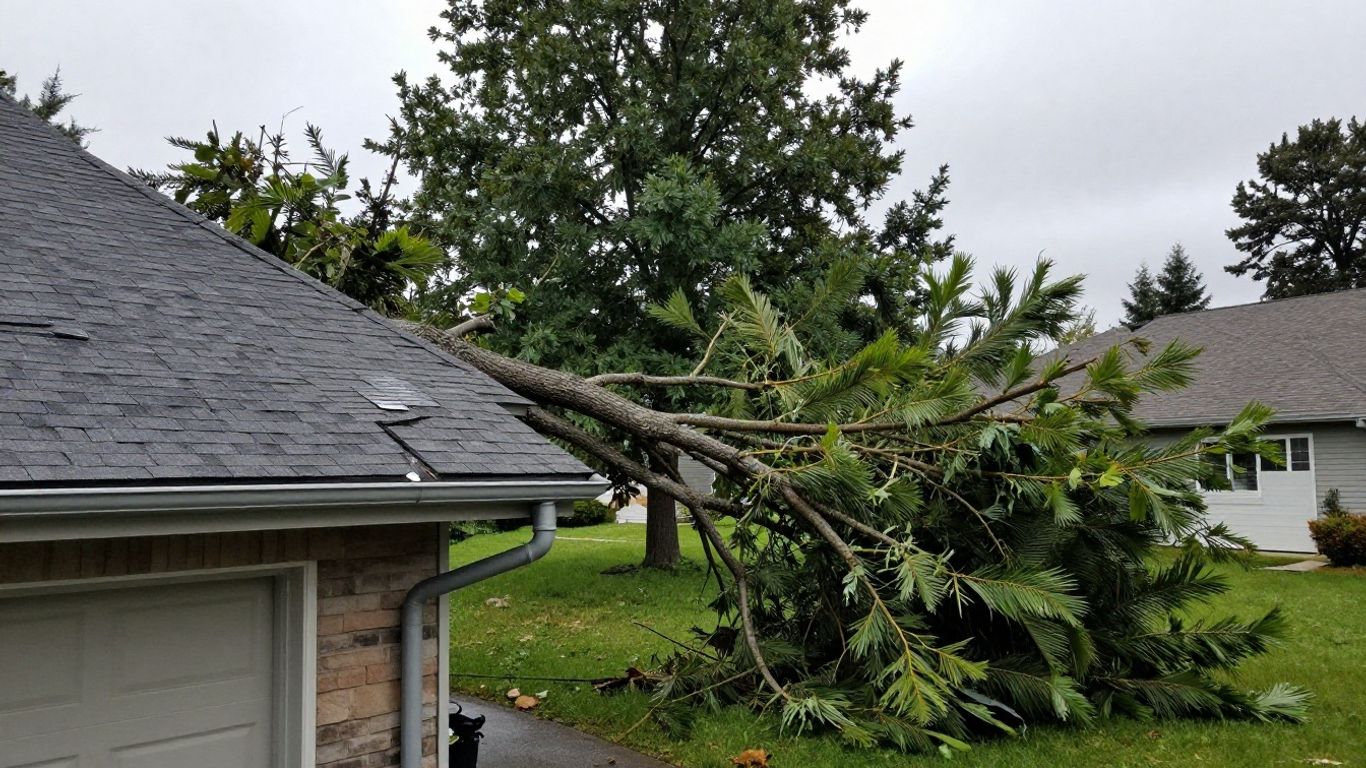
A roofer can separate fresh impact damage from older wear, while an arborist can comment on the tree’s condition and failure. If the damage followed a severe storm, storm damage roof repair may be the relevant service path for assessment and temporary protection. Keep the roof inspection, municipal correspondence, and insurance file together so the repair decision is based on the complete picture.
Safe Trimming Distance: How Far Should Branches Be From Your Roof?
There is no universal number that works for every roof, tree species, branch shape, and wind exposure. The practical goal is to prevent branches from touching shingles, flashing, vents, chimneys, and gutters while allowing room for normal movement and growth. A qualified arborist can judge the branch union, expected growth, and whether pruning would weaken the tree.
Look especially at limbs that sweep across the roof during wind, rest on the edge, or drop material into drainage channels. Trimming too aggressively can expose the roof to sun and wind or leave a tree structurally unbalanced. Cutting branches from a ladder beside a roof is also a common way for a minor maintenance job to become a serious injury.
A roof inspection should follow any branch contact, even if there is no leak yet. Shingles can be scuffed, flashing can be bent, and fasteners can loosen without an obvious opening. If you are unsure whether the issue is age, weather, or a tree near the roof, an inspection can establish a useful baseline before the next storm.
Preventing Tree Damage: A Seasonal Checklist for Mississauga Homeowners
Tree and roof checks work best when they are timed around the seasons rather than left until a leak appears. Spring is a good time to look for winter breakage, while autumn is the moment to clear falling leaves and inspect drainage. After a major storm, repeat the check even if the roof looked sound earlier in the year.
A short routine can keep small defects from becoming hidden damage:
- Walk the property and look for dead, split, or rubbing branches.
- Clear leaves and twigs from accessible gutters and roof valleys safely.
- Check attic areas for damp insulation, stains, mould, or daylight.
- Photograph new roof or tree changes and record the inspection date.
- Arrange qualified pruning before branches begin contacting the roof.
The list is deliberately simple. It is not a replacement for professional work at height or near electrical lines, but it gives homeowners a repeatable way to notice changes. For more extensive roof upkeep, a Mississauga roof tune-up can provide a closer review of shingles, flashing, eavestroughs, and other roof components.
DIY Trimming vs. Calling a Professional (Roofer or Arborist)
Homeowners can often observe a problem, remove loose debris from the ground, and keep photographs for their records. Cutting a branch is different. The moment work involves a ladder, a chainsaw, a heavy limb, a leaning tree, or overhead utilities, the risk increases quickly.
An arborist focuses on tree health, structure, pruning, and removal planning. A roofer focuses on shingles, underlayment, flashing, decking, ventilation, and water entry. When a branch has touched the roof, using both perspectives may prevent a recurring problem: the tree is corrected and the roof is checked for damage that is not visible from the yard.
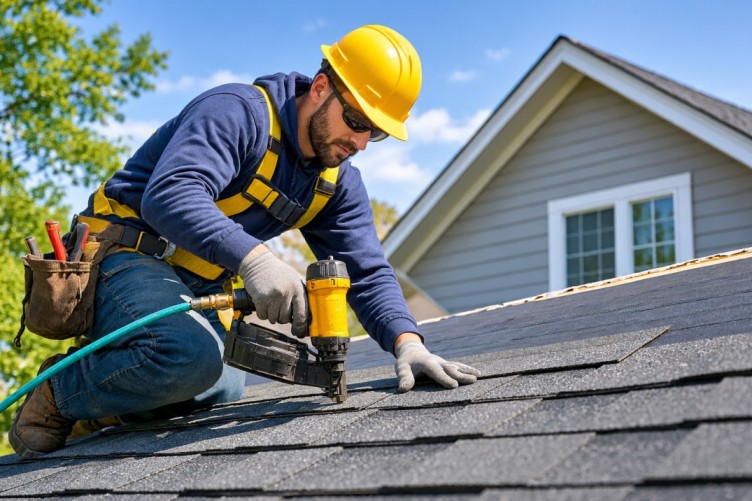
Do not walk on a roof after rain, ice, or a storm, and do not pull a lodged limb across shingles. If the roof may be unsafe, arrange an inspection from a qualified professional. Above It All Roofing provides roof inspections and roofing assessments for Mississauga properties, which can help determine whether the visible issue calls for repair or a larger project.
Get a Free Roof Inspection If a Tree Has Already Damaged Your Home
A roof inspection is useful when a tree has scraped shingles, dropped a limb, or caused water to appear indoors. The inspection should consider the roof covering, flashing, gutters, vents, roof edges, and accessible attic areas. Ask for photographs and a written explanation of what appears damaged, what may worsen, and what should be addressed first.
A free inspection is not a reason to skip the municipal or insurance steps. If the tree is on City property, report it separately; if a claim may be involved, notify the insurer before discarding damaged materials. The roof assessment can still help establish the likely repair scope and identify temporary protection needs.
If you are comparing repair and replacement, the roof’s age and overall condition matter as much as the single impact point. Above It All Roofing offers roof inspections intended to identify potential issues early and provide reports and tailored solutions. The assessment should remain specific to your home rather than promising a particular outcome in advance. Ready to get your roof checked? Contact Above It All Roofing today to schedule your free, no-obligation inspection.
About Trees, Roofs & Mississauga’s Tree Program
Homeowners often have two separate questions: what can be done about the tree, and what should be done about the roof. The City’s role depends on ownership and applicable rules, while roof repair usually begins with documenting the damage and stopping water entry. Keeping those tracks separate makes the process easier to manage.
The focus keyword, Mississauga city tree program roofing, describes that overlap between municipal tree concerns and private roof maintenance. It is not a substitute for checking the current City process or reading the terms of a home insurance policy. When circumstances are unusual, get written guidance rather than relying on an informal assumption.
For a municipal tree roof damage Mississauga claim, gather photographs, dates, service-request details, and repair estimates. For Mississauga tree removal roof concerns, confirm whether the proposed work is pruning or removal and whether the tree meets a protected-size threshold. These records help the right professional answer the right question.
Conclusion
A tree beside a roof is not automatically a problem, but contact, debris, broken limbs, and blocked drainage should not be ignored. Identify who owns the tree, follow Mississauga’s current requirements, document the condition, and have the roof assessed before a small defect becomes a larger repair. Careful coordination between municipal staff, an arborist, a roofer, and your insurer can protect both the property and the tree.
Frequently Asked Questions
Can I cut branches that hang over my property?
You may be able to address limited encroachment, but pruning should not destabilize or seriously harm the tree. Confirm property boundaries, municipal requirements, and safe pruning practices before cutting, especially when the tree is protected or large.
Who pays when a neighbour’s tree damages my roof?
Payment depends on the facts, applicable insurance coverage, and whether negligence or a known hazard can be established. Document the damage, notify your insurer, and communicate with the neighbour without removing evidence or admitting liability prematurely.
How do I know if a tree is municipal?
Look at the trunk’s location in relation to the lot line, sidewalk, boulevard, and street, then confirm with the City rather than relying only on appearance. A municipal service request can help clarify whether the tree is under City care.
Does a 15 cm tree diameter always require a permit?
The 15 cm threshold is a significant consideration, but the answer can depend on measurement method, property location, exemptions, and the work proposed. Check the current municipal guidance before pruning or removing the tree.
Should I call an arborist or a roofer first?
Call an arborist for tree structure, pruning, or removal questions and a roofer for shingles, flashing, leaks, or decking. If a branch has contacted the roof, both assessments may be useful and can be arranged in a safe order.
Can a roof leak be caused by a branch that is no longer touching the roof?
Yes. A branch may have scraped shingles, bent flashing, or displaced a component before moving or being removed. Have the affected area inspected, particularly if staining or dampness appeared after rain.
What should I do after a tree falls on my roof?
Keep people away from the area, avoid climbing onto the roof, and contact emergency services or the utility provider if wires or immediate hazards are involved. Photograph the damage from a safe distance, notify your insurer, and arrange professional temporary protection and inspection.