One of the first questions Mississauga homeowners ask us before a roof replacement is whether they need a building permit. It’s a sensible thing to check, because getting it wrong can mean a stop-work order, fines, or trouble when you later sell or insure the home. The short answer is that most straightforward re-roofing jobs do not need a permit, but several common upgrades do. Below, we walk through exactly where the line falls in Mississauga, how the application process works if you do need one, and who is responsible for it.
A note before we start: this is general guidance based on the Ontario Building Code and the City of Mississauga’s published rules. Because the right answer depends on the specifics of your roof, always confirm with the City’s Building Division before work begins, and a reputable roofer will flag a permit requirement during the quote, not after the tear-off.
When a Roof Replacement Is Permit-Exempt
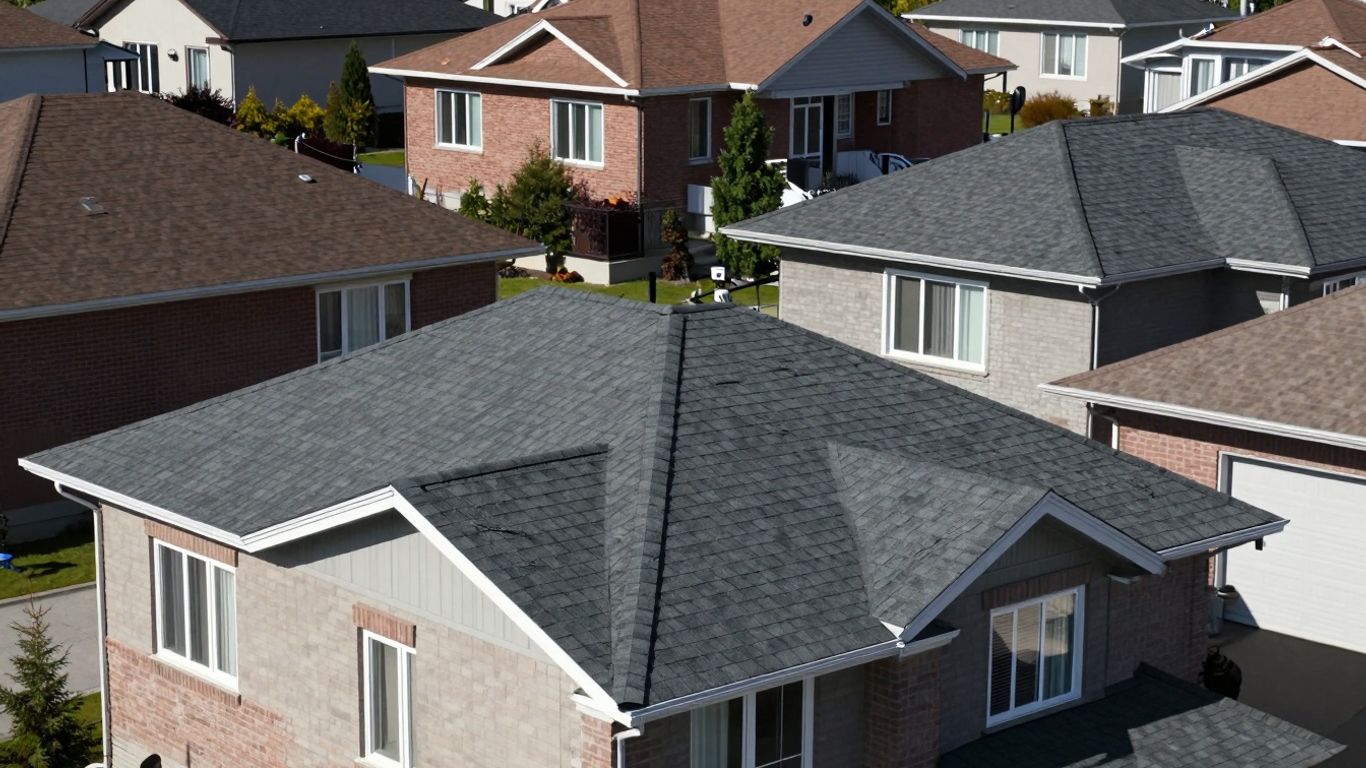
For the most common roofing job — replacing your existing shingles with the same kind of material — you generally do not need a building permit in Mississauga. The City’s own list of exempt projects specifically includes re-shingling a roof, along with minor repairs and replacing eavestroughs where the drainage stays contained on your property. The principle behind the exemption is that you aren’t changing the structure or significantly changing the roof’s weight; you’re renewing the surface.
In practical terms, these jobs are typically permit-exempt:
- A like-for-like asphalt shingle replacement with no structural change.
- Repairing or replacing a small number of damaged or missing shingles.
- Replacing eavestroughs, where drainage is contained within the property.
- Replacing underlayment within the existing roof’s limits.
One important caveat: being exempt from a permit does not mean the work is exempt from the code. Your roof still has to meet the Ontario Building Code — including the eave ice-and-water protection and ventilation requirements that govern every roof in our climate — and you still have to comply with Mississauga’s zoning by-laws. The permit exemption is about paperwork, not about cutting corners on how the roof is built.
When a Roof Replacement Needs a Permit
A permit requirement kicks in the moment a project moves from renewing the surface to changing the structure or the building envelope. In Mississauga, you should expect to need a building permit when your project involves any of the following:
- Changing the roof structure — altering the slope or pitch, adding a storey, or converting an attic into living space.
- Switching to a significantly different material — for example, going from asphalt shingles to metal or tile, which can change the structural load and fire-resistance picture.
- Adding new openings — installing skylights, solar panels, or similar features that penetrate the roof.
- Widespread deck or sheathing replacement — if a tear-off reveals rot across much of the deck and the structural sheathing needs replacing, that can cross into permit territory.
That last point is the one that surprises homeowners most often. We frequently open up an older roof — especially in the lakeside communities where freeze-thaw and humidity run higher — and find the deck sheathing rotted beneath shingles that looked fine from the ground. A spot repair is routine, but extensive structural sheathing replacement is exactly the kind of work that can require approval. This is one reason a written quote should always state how the contractor handles permits and unexpected deck work.
How the Mississauga Permit Process Works
If your project does need a permit, the process in Mississauga is straightforward but worth understanding so you can keep it moving. Applications are submitted to the City’s Planning and Building Department, in most cases through the City’s online ePlans portal, and the same steps apply whether your roofer files on your behalf or you do it yourself.
The typical sequence looks like this:
- Prepare your documents. You’ll usually need drawings or plans showing the proposed work and details of the materials, particularly if you’re changing material type. They don’t need to be elaborate, but they need to clearly show what’s being done.
- Submit the application. City staff review the plans against the Ontario Building Code and local zoning by-laws, and may route the application to other departments where relevant.
- Permit issuance. Once the application is complete and approved, the permit is issued.
- Inspections. During and after the work, an inspector visits to confirm that the work matches the approved plans.
On timelines, the Ontario Building Code sets statutory maximums. For most houses — those under Part 9 of the code — the municipality has 10 business days to either issue the permit or notify you of deficiencies once a complete application is submitted. Larger or more complex buildings have longer review periods. The single biggest cause of delay is an incomplete application, so getting the documents right the first time matters more than how busy the department is. Fees vary by the size and scope of the project and are published on the City’s website. Homeowners in heritage districts or on conservation-authority lands should also budget time for any additional approvals those designations require.
Who Is Responsible for the Permit?
This is the part homeowners most often get wrong. Under the Building Code Act, the property owner is ultimately responsible for ensuring the proper permit is in place — the permit is issued in the owner’s name. A good roofing contractor will manage the application and the inspections for you as part of the job, and we routinely do, but the legal responsibility rests with the homeowner. So when you’re comparing quotes, confirm in writing who is pulling the permit and whether the fee is included. If a contractor waves off a permit you suspect you need, treat that as a warning sign and verify directly with the City. You can see what else to watch for in our guide to common roofing mistakes to avoid.
What Happens If You Skip a Required Permit
Skipping a permit you needed is not a risk worth taking on a home you own. The City can issue a stop-work order, levy fines, and, in some cases, require work to be removed or redone to code. Beyond the city’s enforcement, unpermitted structural work can complicate a future sale (it often surfaces during the buyer’s due diligence), and an insurer may dispute a claim tied to work that should have been permitted and wasn’t. For a like-for-like reshingle, none of this applies, which is why the exemption exists — but for the structural and material changes listed above, the permit is cheap insurance against a much larger problem.
The Bottom Line for Mississauga Homeowners
For the vast majority of roof replacements — shingles for shingles, with no structural change — you won’t need a permit in Mississauga, though your roof still has to meet the Ontario Building Code. You’ll need one if you’re changing the structure, switching materials, adding skylights or solar, or replacing the deck widely. When in doubt, confirm with the City’s Building Division, and work with a licensed, insured roofer who handles permits and code compliance as a matter of course. If you’d like us to assess your roof and tell you plainly whether your project needs a permit, you can talk to our Mississauga roofing team or request a quote.
FAQ
Do I need a permit just to replace my old shingles with new ones?
Generally no. A like-for-like shingle replacement with no structural change is on the City of Mississauga’s list of permit-exempt projects, alongside minor repairs and eavestrough replacement. You’ll need a permit if you change the structure, switch to a significantly different material (such as shingles to metal), add a skylight or solar, or replace the roof deck across a large area. The work still has to meet the Ontario Building Code either way.
Why are permits required for some roof work?
To confirm the work is safe and code-compliant. Structural and material changes affect how your roof carries snow, ice, and wind loads, and how it resists fire — so the City reviews the plans and inspects the work. The permit and final sign-off also become useful documentation when you insure, refinance, or sell.
Who is supposed to get the building permit — me or my roofer?
Legally, the property owner is responsible, and the permit is issued in your name. Your roofing contractor can prepare and submit the application and arrange inspections (we do this routinely), but the responsibility rests with you, so confirm in writing who’s handling it and whether the fee is included in your quote.
How long does it take to get a roofing permit in Mississauga?
For most houses under Part 9 of the Ontario Building Code, the City has 10 business days to issue the permit or flag deficiencies once a complete application is submitted; larger or more complex buildings take longer. The clock only starts on a complete application, so missing documents are the most common cause of delay. Apply well ahead of your planned start date.
What documents do I need to apply?
Typically, drawings or plans showing the proposed work and details of the materials, especially if you’re changing the material type. Your roofer can usually help assemble these. Check the City of Mississauga’s Building Division for the exact list for your project, since requirements vary with scope.
What happens if I skip a permit I needed?
You risk a stop-work order, fines, and potentially being ordered to undo or redo the work. Unpermitted structural work can also complicate a future sale and may give an insurer grounds to dispute a related claim. For an exempt reshingle, there’s nothing to worry about; for the structural and material changes that require a permit, getting one is inexpensive protection.