Ever notice how some houses seem to stay cooler in the summer without running the AC nonstop? Or maybe you’ve seen weird icicles form on your roof even when it hasn’t snowed that much. Often, the answer to these home comfort puzzles lies way up in the attic, specifically with how well it can breathe. A Roof Ridge Vent might not be the most glamorous part of your house, but it’s a real workhorse when it comes to keeping your home comfortable and protecting your biggest investment – your roof.
Key Takeaways
- A Roof Ridge Vent works by letting hot, moist air escape from your attic, helping to keep things cooler in summer and drier in winter.
- Proper attic ventilation prevents moisture buildup, which can lead to mold and damage to your roof structure over time.
- In Etobicoke’s climate, a Roof Ridge Vent is particularly helpful in preventing ice dams during the colder months.
- You might need better attic ventilation if you notice high energy bills, condensation on windows, or signs of mold.
- Installing a Roof Ridge Vent, especially when paired with soffit vents, creates a balanced airflow system for your home.
Understanding the Basics: What is a Roof Ridge Vent?
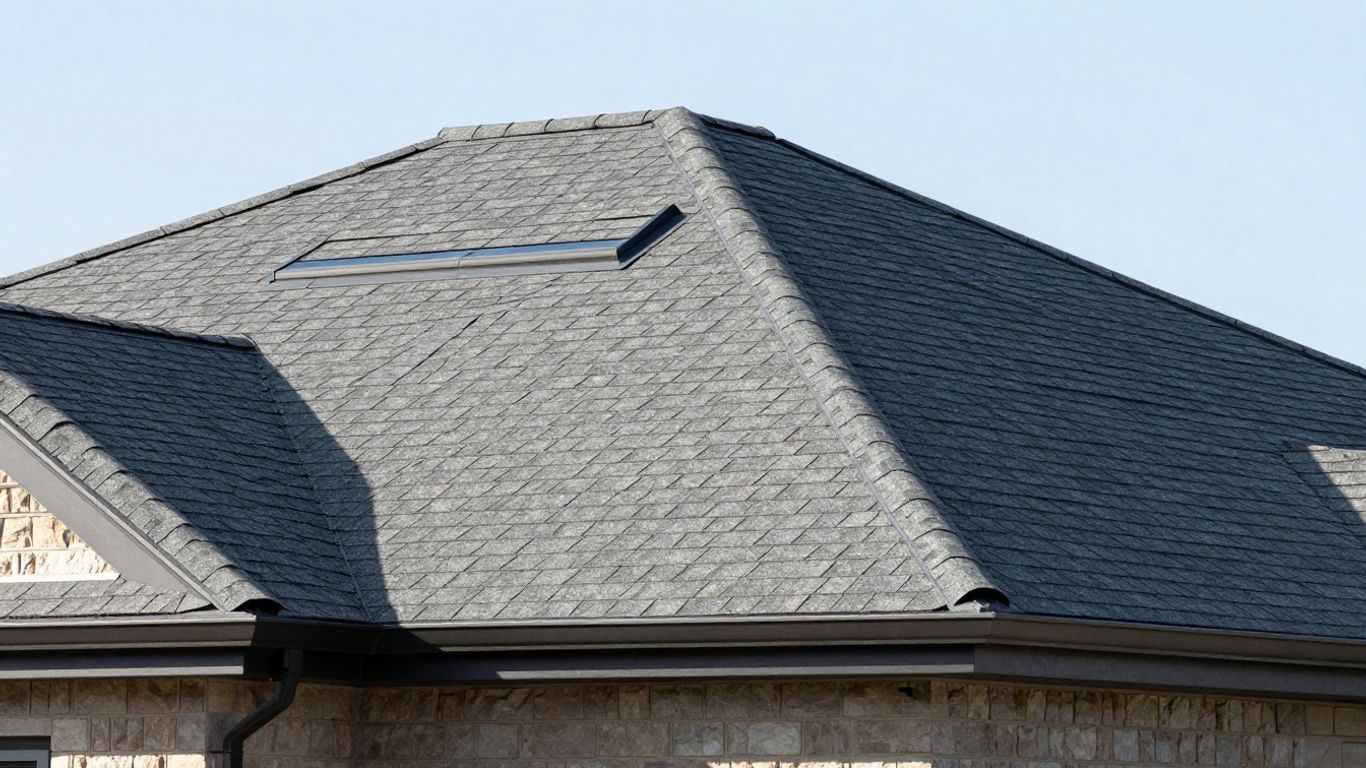
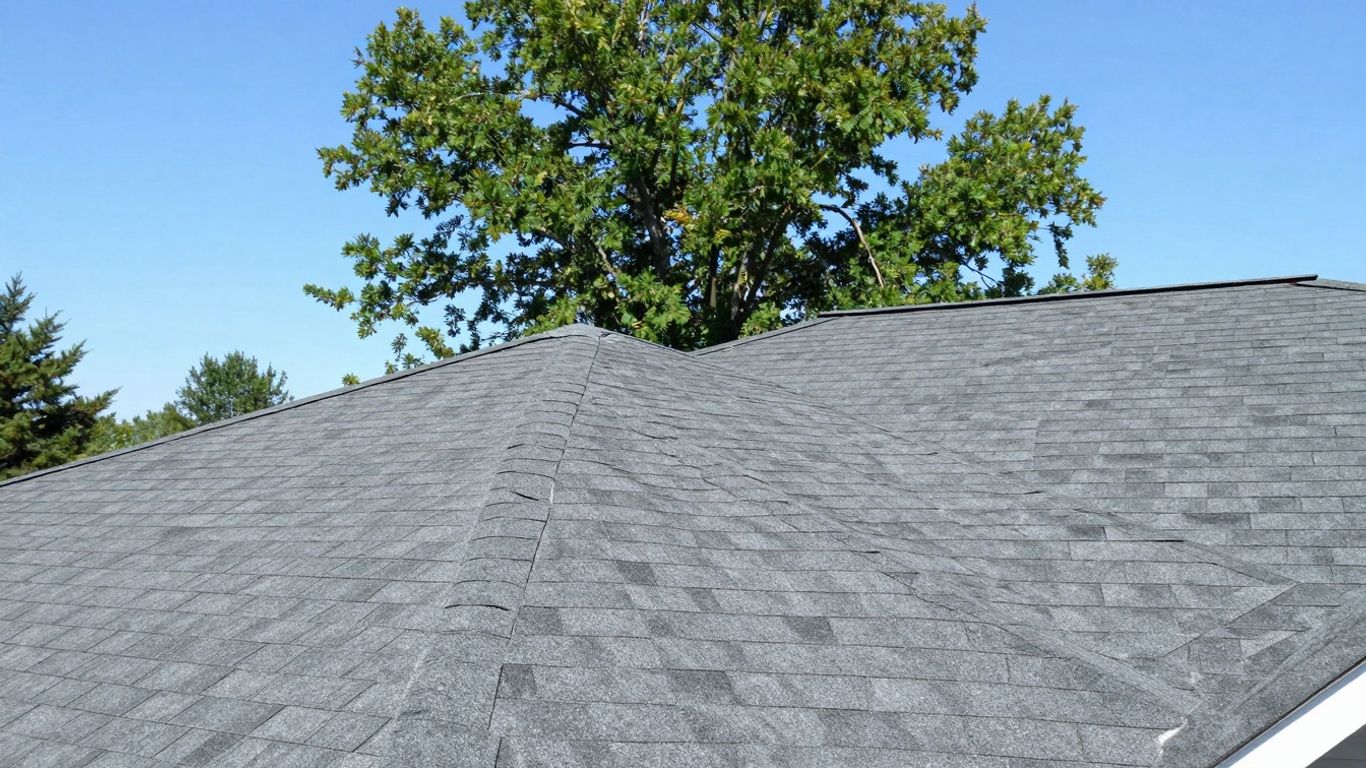
So, what exactly is a roof ridge vent? Think of it as the roof’s natural exhaust system. It’s a type of vent that sits right along the peak, or the ‘ridge,’ of your roof where two slopes meet. Its main job is to let hot, moist air escape from your attic. This might not sound like a big deal, but it’s super important for keeping your home comfortable and your roof in good shape.
How Ridge Vents Work: The Science of Airflow
Ridge vents work on a pretty simple principle, often called the stack effect or natural convection. Hot air inside your attic rises, just like it does in any enclosed space. Because the ridge vent is at the highest point of the roof, this warm air naturally flows up and out through the vent.
- Creates an escape route: It provides a continuous opening for stale, warm air to leave the attic.
- Works with intake vents: For this system to be effective, it needs a counterpart. Usually, this means having soffit vents located under the eaves. These let cooler, drier air come into the attic.
- Forms a natural airflow: As warm air exits through the ridge vent, it pulls cooler air in through the soffit vents, creating a constant, gentle circulation.
This continuous airflow is key to the ridge cap ventilation benefits. It helps keep the attic temperature more stable, preventing extreme heat buildup in the summer and reducing moisture issues year-round. It’s a passive system, meaning it doesn’t need electricity to run; it just uses natural air movement.
Without proper ventilation, your attic can become a hot box in the summer and a damp space in the winter. This trapped air can lead to all sorts of problems, from making your air conditioner work overtime to damaging your roof structure over time. Ridge vents are a smart way to avoid these headaches.
The Crucial Role of Attic Ventilation
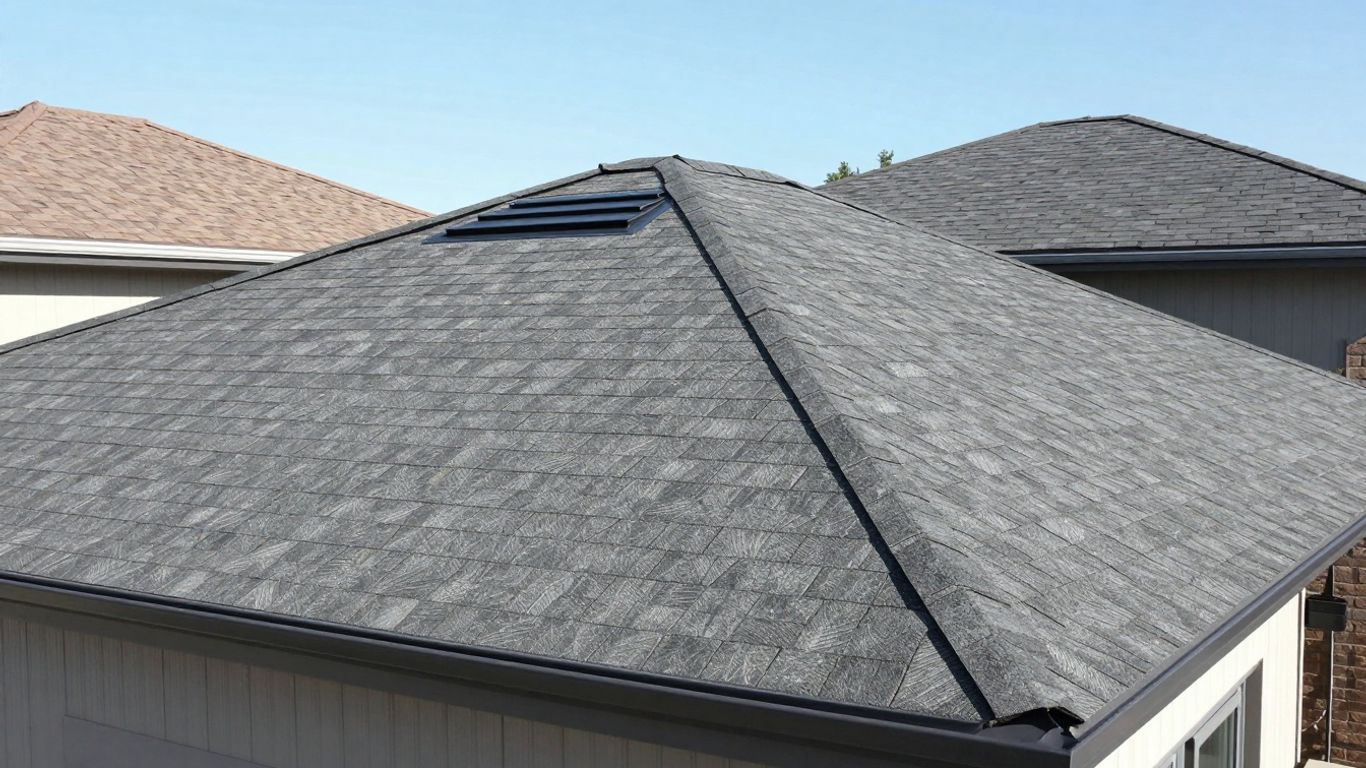
Think of your attic as the house’s brain – it needs to stay at a comfortable temperature and humidity level to function properly. Without good airflow, things can go wrong pretty quickly. This is where proper attic ventilation systems come into play. They’re not just a nice-to-have; they’re a really important part of keeping your whole house healthy and efficient. The home roof ventilation importance really comes down to managing two main things: moisture and heat.
Preventing Moisture Buildup and Mold Growth
Every day, activities inside your home like cooking, showering, and even just breathing release moisture. This warm, moist air naturally rises. If your attic isn’t properly ventilated, that moisture gets trapped up there. Over time, this trapped moisture can condense on the cooler surfaces of your attic, like the underside of your roof sheathing or insulation. This creates a perfect environment for mold and mildew to grow. Not only is mold unsightly and smelly, but it can also start to break down your home’s structure, leading to rot in the wood framing. Plus, mold spores can get into your living space, which isn’t good for your health. Good ventilation lets that moist air escape before it causes problems.
- Moisture Sources: Cooking, showering, breathing, and even plants contribute to attic humidity.
- Condensation: Trapped warm, moist air cools and turns into water droplets on surfaces.
- Consequences: Mold, mildew, rot, structural damage, and potential health issues.
A well-ventilated attic acts like a lung for your house, constantly exchanging stale, moist air for fresh, dry air. This simple process prevents a cascade of problems that can affect your home’s integrity and your family’s well-being.
Regulating Attic Temperature for Energy Efficiency
During the summer, the sun beating down on your roof can turn your attic into an oven. Temperatures can soar way higher than the outside air. This super-heated attic then radiates heat down into your living spaces, making your air conditioner work overtime to keep your home cool. That means higher energy bills. In the winter, a poorly ventilated attic can trap warm air from your living space, which can lead to condensation issues and potentially ice dams. Proper ventilation helps to keep the attic temperature more stable year-round. By allowing hot air to escape in the summer and managing moisture in the winter, you reduce the workload on your HVAC system. This leads to a more comfortable home and noticeable savings on your energy costs. It’s a win-win situation for your comfort and your wallet. For example, understanding how different roof styles affect airflow can help you choose the best attic ventilation systems for your specific needs.
- Summer Heat: Unventilated attics can become significantly hotter than outside temperatures.
- Winter Moisture: Trapped warm air can lead to condensation and ice dam formation.
- Energy Savings: Stable attic temperatures reduce HVAC strain and lower utility bills.
This consistent airflow is key to maintaining the health of your roof and the comfort of your home, making the home roof ventilation importance clear for any homeowner.
Why Your Etobicoke Home Specifically Needs a Ridge Vent
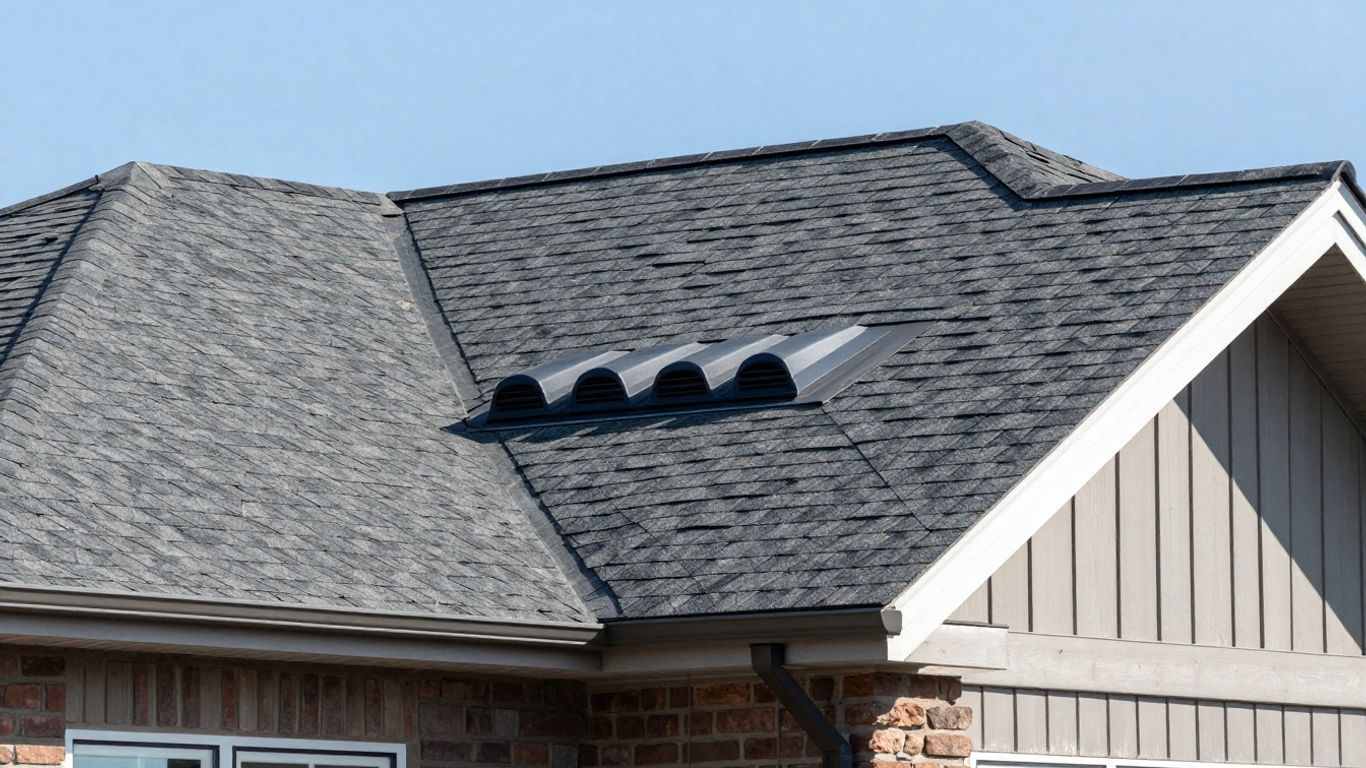
When you live in a place like Etobicoke, with its distinct seasons and weather patterns, paying attention to your roof’s ventilation isn’t just a good idea – it’s pretty important for keeping your house in good shape. Think about it: our summers can get pretty hot and humid, and then we deal with cold, snowy winters. This kind of back-and-forth weather puts a lot of stress on your roof and attic.
Etobicoke’s Climate Considerations
Etobicoke experiences a climate that really benefits from good attic ventilation. In the summer, the sun beats down, heating up your attic space considerably. Without a way for that hot air to escape, it can build up, making your whole house hotter and forcing your air conditioner to work overtime. This isn’t just uncomfortable; it can also shorten the lifespan of your shingles and other roofing materials due to excessive heat exposure. Then, when winter rolls around, moisture from inside your home can rise into the attic. If this moisture freezes, it can lead to all sorts of problems.
- Summer Heat Buildup: Trapped heat can make your attic temperatures soar, increasing cooling costs and stressing your roof.
- Winter Moisture: Warm, moist air from your home can condense in the cold attic, leading to mold and rot.
- Freeze-Thaw Cycles: Etobicoke’s fluctuating winter temperatures exacerbate issues caused by trapped moisture.
Protecting Your Roof from Ice Dams
One of the biggest headaches for homeowners in colder climates like ours is ice dams. These form when snow on your roof melts due to heat escaping from your attic, then refreezes at the colder eaves. This creates a barrier of ice that forces water to back up under your shingles. A properly installed ridge vent works with soffit vents to create a balanced airflow, keeping your attic temperature closer to the outside air and preventing the conditions that lead to ice dams. This means less chance of water seeping into your walls and ceilings, saving you from costly repairs. It’s a simple system that makes a big difference in preventing roof damage.
Without adequate ventilation, your attic essentially becomes a hot, humid box in the summer and a cold, damp space in the winter. This environment is tough on your home’s structure and can lead to premature wear and tear on your roof.
Signs Your Etobicoke Home Might Need Better Ventilation
Sometimes, your house will give you hints that something’s not quite right with the airflow in the attic. You might not even realize it’s a ventilation issue at first, but these signs can point to a bigger problem that a ridge vent could help fix.
Visible Signs of Moisture or Mold
One of the most obvious indicators is when you start seeing moisture or mold. This often shows up as dark spots or a fuzzy growth on attic surfaces, rafters, or even on the underside of your roof sheathing. You might also notice a persistent musty smell, especially after a period of rain or high humidity. This dampness means moisture is getting trapped up there, and it’s not good for your home’s structure or your health. It can lead to wood rot and make your insulation less effective.
High Energy Bills Related to Cooling/Heating
If your air conditioning or heating bills seem higher than they should be, especially during extreme weather, poor attic ventilation could be a culprit. In the summer, a super hot attic radiates heat down into your living space, making your AC work overtime. In the winter, trapped moisture can affect the performance of your insulation. A well-ventilated attic helps keep temperatures more stable, reducing the strain on your HVAC system.
Ice Dams in Winter
Living in Etobicoke means dealing with winter weather, and ice dams are a common headache. They form when snow on your roof melts due to heat escaping from your attic, then refreezes at the colder eaves. This creates a barrier that can force water back up under your shingles, leading to leaks and damage. Proper ventilation helps keep the roof deck cold, preventing this melt-and-refreeze cycle.
It’s easy to overlook the attic as a source of home problems, but it plays a big role in how comfortable and efficient your house is. Paying attention to these warning signs can save you from more serious issues down the road.
Choosing and Installing a Roof Ridge Vent in Etobicoke
So, you’ve decided a ridge vent is the way to go for your Etobicoke home. That’s a smart move, especially with our local weather patterns. When it comes to picking the right one and getting it installed, there are a few things to keep in mind. Getting the soffit and ridge vent installation done right is key to making sure your attic breathes properly.
First off, not all ridge vents are created equal. You’ll find different materials and designs out there. Some are low-profile and blend right in with your shingles, while others might be a bit more noticeable. Think about the look of your roof and what will work best with your existing shingles. The size matters too. A good installer will calculate the total vent area needed based on your attic’s square footage. For a typical home, you’re looking at needing about one square foot of vent space for every 300 square feet of attic. This needs to be split between intake (like soffit vents) and exhaust (your ridge vent).
Here’s a quick rundown of what to look for:
- Material: Most are made of plastic or metal. Metal ones tend to be more durable but can sometimes be noisier in high winds.
- Profile: Some are designed to sit flush with the roof peak, while others have a slightly raised cap.
- Compatibility: Make sure the vent you choose works with your specific roofing material.
- Warranty: Check what kind of warranty the manufacturer offers.
When it comes to installation, this isn’t usually a DIY job for most homeowners. It involves cutting into your roof, which needs to be done precisely to avoid leaks. A professional will:
- Measure and mark the roof peak accurately.
- Cut a slot along the ridge, making sure not to damage the underlying structure.
- Install the vent, securing it properly.
- Apply flashing and sealant around the vent to create a watertight seal.
- Ensure it works in harmony with your soffit vents for balanced airflow.
Improper installation can lead to water getting into your attic, causing all sorts of problems like mold or rot. It can also mean the vent doesn’t work as effectively as it should, leaving you with the same ventilation issues you were trying to fix in the first place. It’s worth the investment to have it done by someone who knows what they’re doing.
Most professional soffit and ridge vent installation jobs can be completed in a few hours. It’s often a good idea to have this done when you’re getting your roof shingles replaced, as it’s more efficient and can save on labor costs.
Thinking about adding a roof ridge vent in Etobicoke? These vents are super important for keeping your attic cool and dry, preventing heat and moisture buildup. They work by letting hot air escape from the highest point of your roof. Proper installation is key to making sure they do their job effectively and keep your home comfortable year-round. If you’re curious about how to get one installed or need to know more about attic ventilation, we’ve got you covered. Visit our website today to learn all about choosing and installing the right roof ridge vent for your Etobicoke home!
Wrapping It Up: Your Roof Will Thank You
So, there you have it. A ridge vent isn’t just some fancy bit of roofing; it’s like giving your attic its own breathing room. It helps keep things cool in the summer and dry when the snow flies, which means less wear and tear on your shingles and probably a bit of a break on your energy bills, too. If you’re noticing any weird stuff like ice dams or just feel like your upstairs is always too hot, it might be time to look into getting one installed. It’s a smart move for keeping your Etobicoke home in good shape for years to come.
Frequently Asked Questions
What exactly is a roof ridge vent?
Think of a roof ridge vent as a special vent that runs along the very top peak of your roof. It’s like a tiny opening that lets hot, stuffy air trapped in your attic escape. This helps keep your whole attic space cooler and less damp.
How does a ridge vent help my Etobicoke home?
Etobicoke can get pretty hot in the summer and cold in the winter. A ridge vent helps by letting the super-hot air out of your attic during warm months, so your house stays cooler. In winter, it helps prevent moisture from building up, which can cause problems like ice dams.
What’s the difference between a ridge vent and other roof vents?
Ridge vents are great because they cover the whole peak of your roof, offering continuous airflow. Other vents, like box vents, are usually placed on the roof’s surface and might only cover a specific area. Ridge vents work best when paired with vents near the bottom of the roof (soffit vents) to create a steady flow of air.
How can I tell if my house needs better roof ventilation?
Look for signs like water stains on your ceiling, especially after it rains or snow melts. If your attic feels extremely hot even when it’s not that hot outside, or if you notice mold or damp spots, it’s a good sign your ventilation isn’t working well.
Will a ridge vent help with my energy bills?
Yes, it can! When your attic is cooler in the summer, your air conditioner doesn’t have to work as hard to cool your home. This means it uses less electricity, which can help lower your energy bills. It also helps keep your home more comfortable year-round.
Is it hard to install a ridge vent?
Installing a ridge vent correctly is important for it to work properly and not cause leaks. It involves cutting into the roof and making sure everything is sealed up tight. Because of this, it’s usually best to have a professional Etobicoke roofing Company to handle the installation to make sure it’s done right and lasts a long time.