Introduction
It was a stormy night in Mississauga, one I’ll never forget. The wind howled outside, and I could hear the rain pelting against the windows. I couldn’t help but think about how grateful I was for the sturdy roof that protected us from the harsh elements. That experience made me realize the importance of having a roof that can withstand Mississauga’s weather, and it inspired me to help others make informed decisions when choosing a roof for their homes. In this article, we will explore various factors to consider when selecting a roof, different roofing materials, and the importance of proper installation and maintenance.
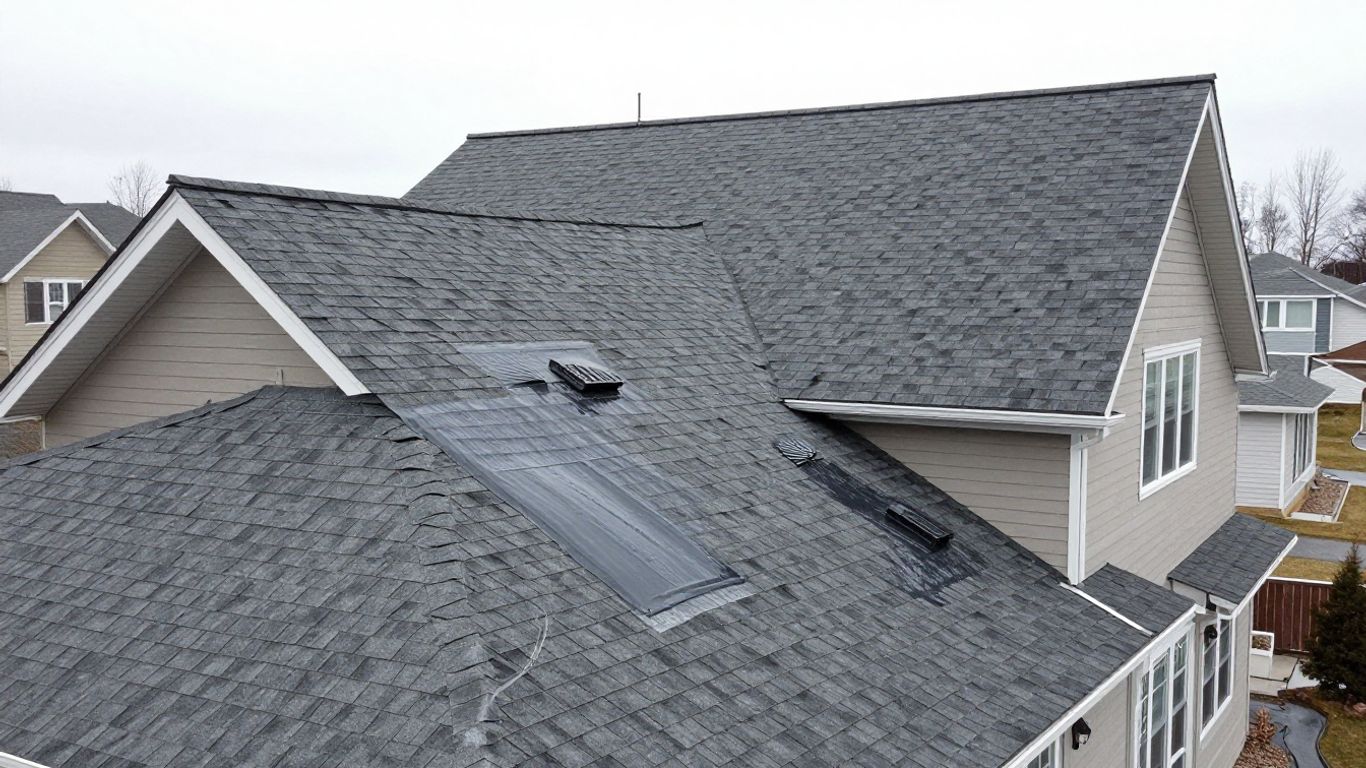
Mississauga sees roughly 940 mm of combined rain and snowfall annually, spread fairly evenly across the seasons. Winter snowfall peaks in January–February, and repeated freeze-thaw cycles during these months are one of the biggest causes of shingle cracking, ice damming, and flashing failure. Homes closer to Lake Ontario (Port Credit, Lakeview, Clarkson) also face stronger, more consistent wind that pushes rain up under shingle edges rather than just down on top of them.
Factors to Consider When Choosing a Roof for Mississauga Weather
- Climate of Mississauga: Understanding the local climate is essential when selecting a roof. Mississauga experiences a range of weather conditions, including heavy snowfall, freezing rain, and strong winds. Freeze-thaw cycles are especially hard on cheap or aging materials, so the roofing system (not just the shingle brand) needs to be matched to these conditions.
- Building Codes and Regulations: Familiarize yourself with local building codes and regulations to ensure your chosen roof material complies with all requirements.
- Budget: Different roofing materials come with various price points. Consider your budget when making your decision.
- Aesthetics: Choose a roof that complements the architectural style of your home and enhances its curb appeal.
Asphalt Shingles
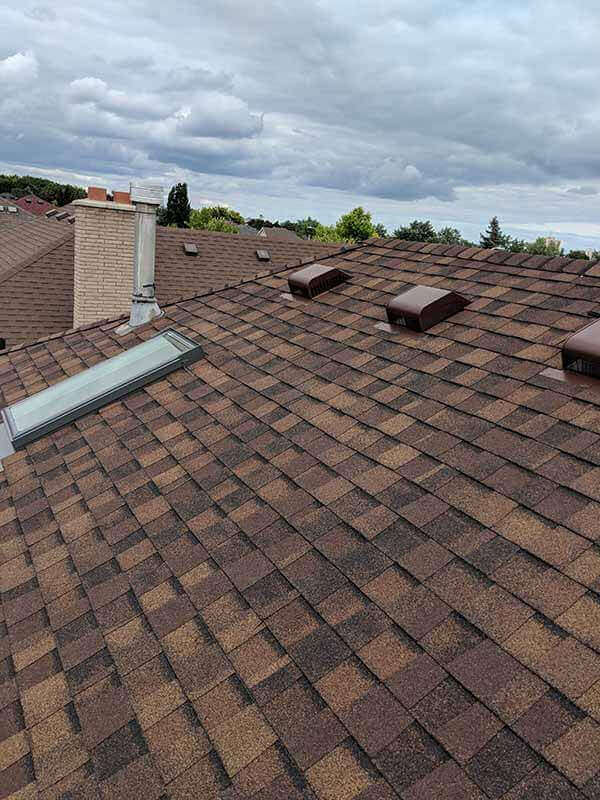
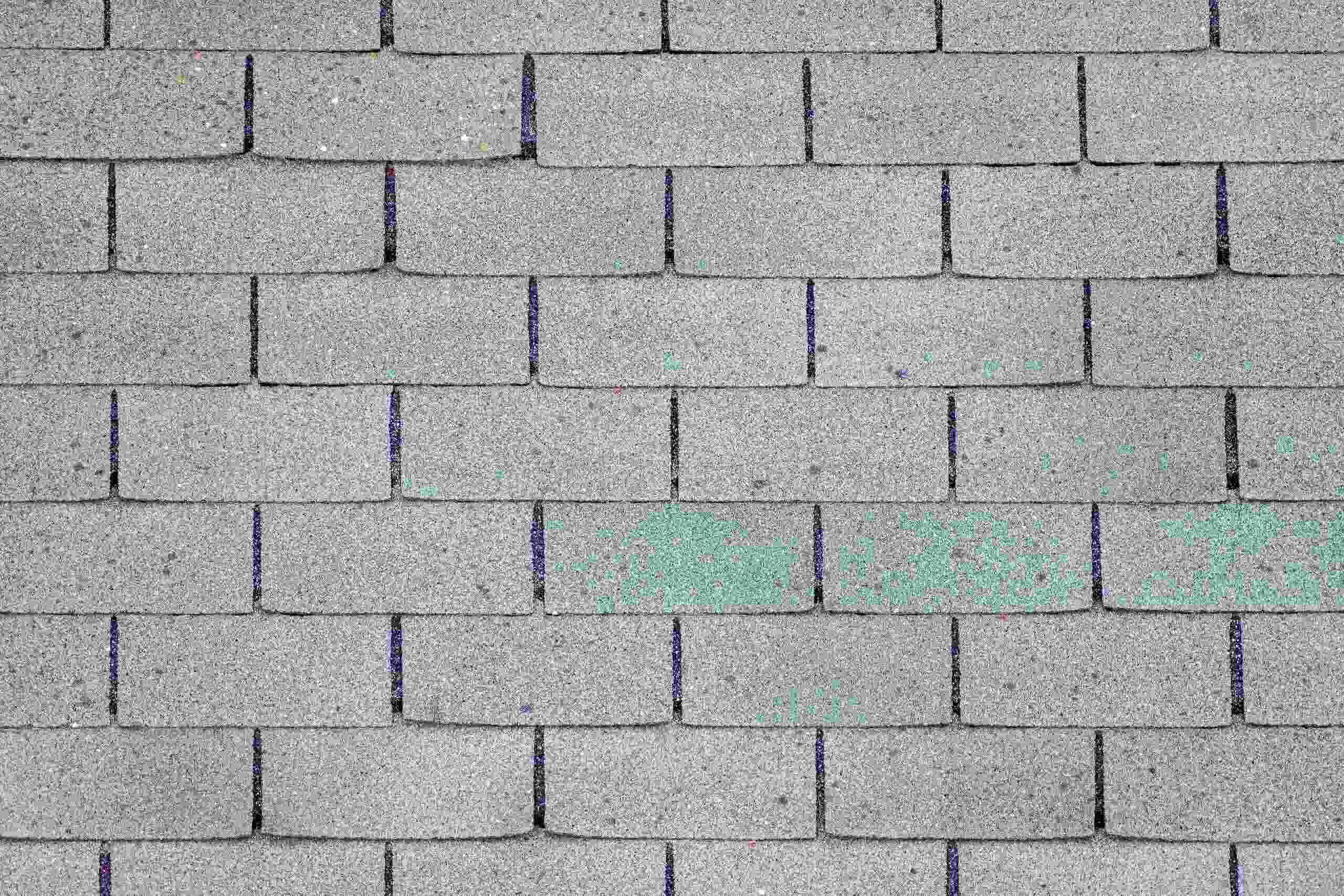
Asphalt shingles are by far the most common roofing material on Mississauga homes, and for good reason — they offer a reliable balance of cost and performance for a climate that sees both heavy snow and summer storms. Modern architectural shingles handle freeze-thaw cycles reasonably well when installed with proper underlayment and ventilation. They’re a practical choice for homeowners who want dependable protection without a large upfront investment.
Pros:
- Affordable
- Easy to install
- Wide variety of colors and styles
Cons:
- Shorter lifespan compared to other materials
- Less environmentally friendly
Best for: Traditional-style homes and homeowners on a budget
Asphalt shingles remain the default choice for a large majority of homes across Mississauga, from Streetsville to Churchill Meadows, largely because they check every practical box without stretching the budget. They come in dozens of colour and style combinations, so matching your home’s existing exterior is rarely a problem. Installation is quick, usually completed in a single day, which keeps labour costs down as well. The main trade-off is that you’ll likely be planning a replacement again within 20-25 years, especially if the roof faces heavy sun or wind exposure.
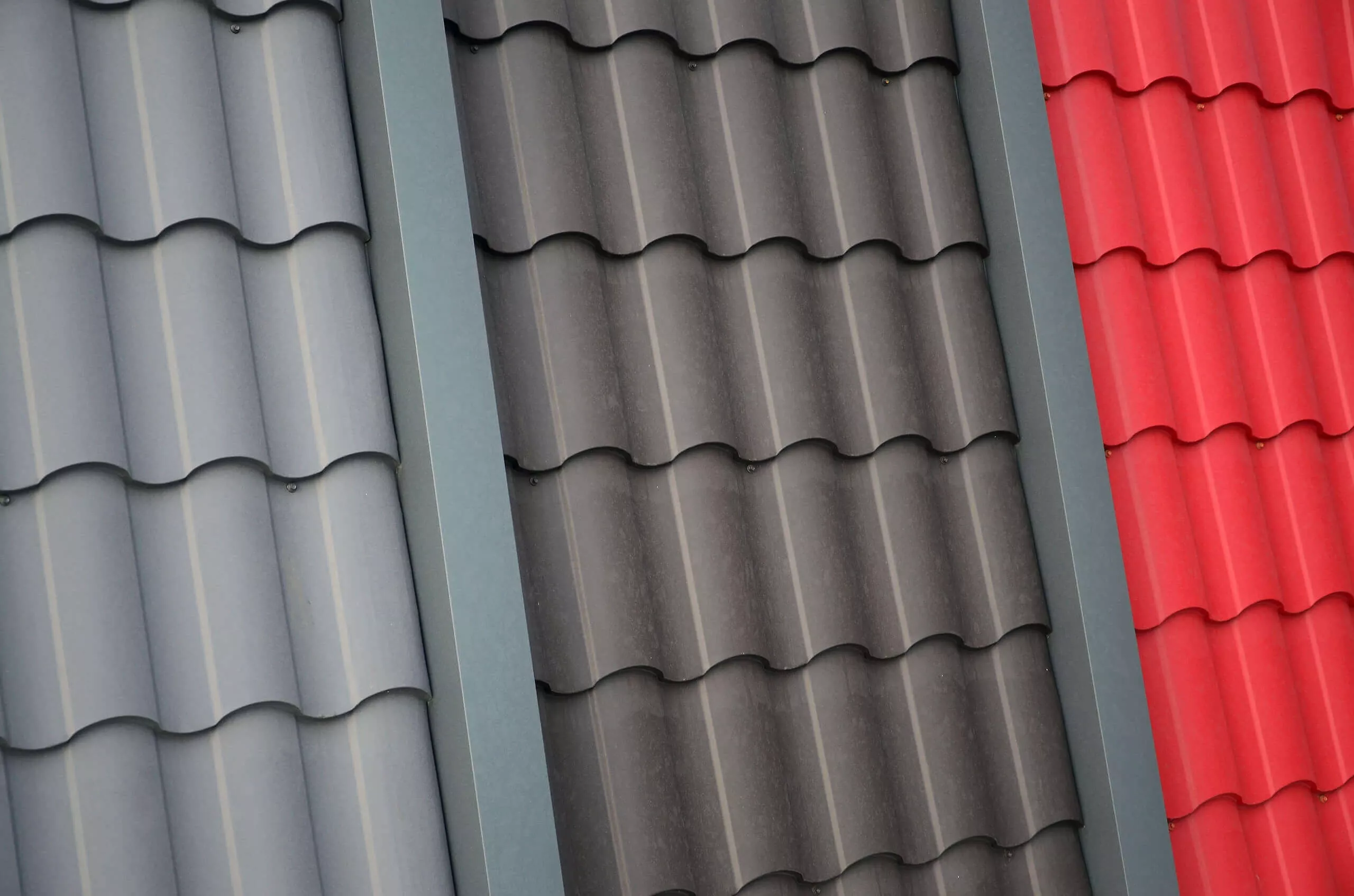
Metal Roofs
Metal roofing has become increasingly popular in Mississauga, especially among homeowners looking for a long-term investment rather than a periodic replacement cycle. Its smooth surface sheds snow quickly, reducing the winter load that a roof has to carry through January and February. It also holds up well against the wind gusts that come off Lake Ontario, making it a strong option for exposed properties.
Pros:
- Long-lasting
- Energy-efficient
- Low maintenance
Cons:
- Higher initial cost
- Noisier during heavy rain or hail
Best for: Modern and contemporary homes, or those looking for a sustainable option
Metal roofing suits homeowners who’d rather make one solid investment than budget for repeated replacements every couple of decades. Its clean lines and panel styles pair naturally with contemporary architecture, though standing-seam and metal shingle options can also work on more traditional homes. Beyond aesthetics, the reflective surface can noticeably reduce summer cooling costs. The main consideration is upfront price, which typically runs well above asphalt, though the longer lifespan often evens things out over time.
Slate Roofs
Slate is one of the most premium roofing materials available, prized for its natural stone appearance and exceptional durability. A well-installed slate roof can genuinely outlast the home it’s protecting, making it a favourite for historic properties and upscale renovations across Mississauga. That said, its weight and installation complexity mean it isn’t a fit for every home.
Pros:
- Extremely durable
- Fire-resistant
- Attractive appearance
Cons:
- Heavy, requiring additional structural support
- Expensive
Best for: Historic or upscale homes where aesthetics and durability are a priority
Slate is most often seen on older, character-rich homes in neighbourhoods like Mineola and Lorne Park, where matching the original roofline matters as much as performance. Its natural texture and colour variation give a depth that manufactured materials simply can’t replicate. Because it can genuinely last a century with proper care, it’s frequently chosen by owners who see the roof as a long-term architectural feature rather than a maintenance item. The trade-offs are real, though — the weight requires verified structural support, and repairs need a specialist familiar with slate.
Clay Tiles
Clay tiles bring a distinctive Mediterranean or Southwestern look that few other materials can replicate. They perform well in hot climates, but in Mississauga’s freeze-thaw winters, only cold-climate-rated clay tiles should be considered, since standard tiles can crack under repeated ice expansion. Homeowners drawn to this style should confirm the product’s cold-weather rating before committing.
Pros:
- Long-lasting
- Energy-efficient
- Fire-resistant
Cons:
- Heavy, requiring additional structural support
- Expensive
Best for: Mediterranean, Spanish, or Southwestern-style homes
Clay tile is less common in Mississauga simply because it’s tied so closely to a specific architectural style, but it remains a strong option for homeowners committed to that look. It holds colour extremely well over decades and needs very little surface maintenance once installed correctly. Homeowners considering clay in this climate should specifically ask for cold-climate-rated tile, since standard tile can be vulnerable to Ontario’s freeze-thaw cycles. When matched correctly to the style of the home, it’s one of the most visually distinctive options available.
Concrete Tiles
Concrete tiles offer much of the durability and visual weight of clay or slate at a more accessible price point. They hold up well against Mississauga’s seasonal temperature swings and require relatively little upkeep once installed. The main trade-off is the added structural load, which means most homes need an engineer’s assessment before installation.
Pros:
- Durable
- Energy-efficient
- More affordable than clay or slate
Cons:
- Heavy, requiring additional structural support
- Less attractive than other materials
Best for: Homeowners seeking a durable, budget-friendly option
Concrete tile sits in a useful middle ground — it delivers much of the durability and visual heft of clay or slate without the same price tag. It performs reliably through Mississauga’s seasonal swings and holds up well against wind and hail compared to lighter materials. Colour and texture options have also improved significantly in recent years, narrowing the visual gap with premium alternatives. As with clay, the added weight means a structural assessment is a necessary step before installation.
Rubber Roofs
Rubber roofing, most commonly EPDM membrane, is the go-to choice for flat or low-slope sections of a home rather than full pitched roofs. It handles ponding water and temperature swings well, which makes it a practical fit for additions, garages, and bungalow sections common across Mississauga. It’s also one of the more environmentally friendly options on this list.
Pros:
- Lightweight
- Environmentally friendly
- Durable
Cons:
- Limited design options
- Can be more expensive than asphalt shingles
Best for: Eco-conscious homeowners and flat or low-sloped roofs
Rubber (EPDM) roofing is the practical choice for the flat or low-slope sections found on additions, garages, and many bungalows across the city, rather than for a full pitched roof. It resists ponding water well and flexes with temperature changes instead of cracking, which matters through Mississauga’s wide seasonal range. It’s also one of the more sustainable options on this list, often made partly from recycled material. The main limitation is design flexibility — it’s a functional membrane system, not a decorative one.
Wood Shingles and Shakes
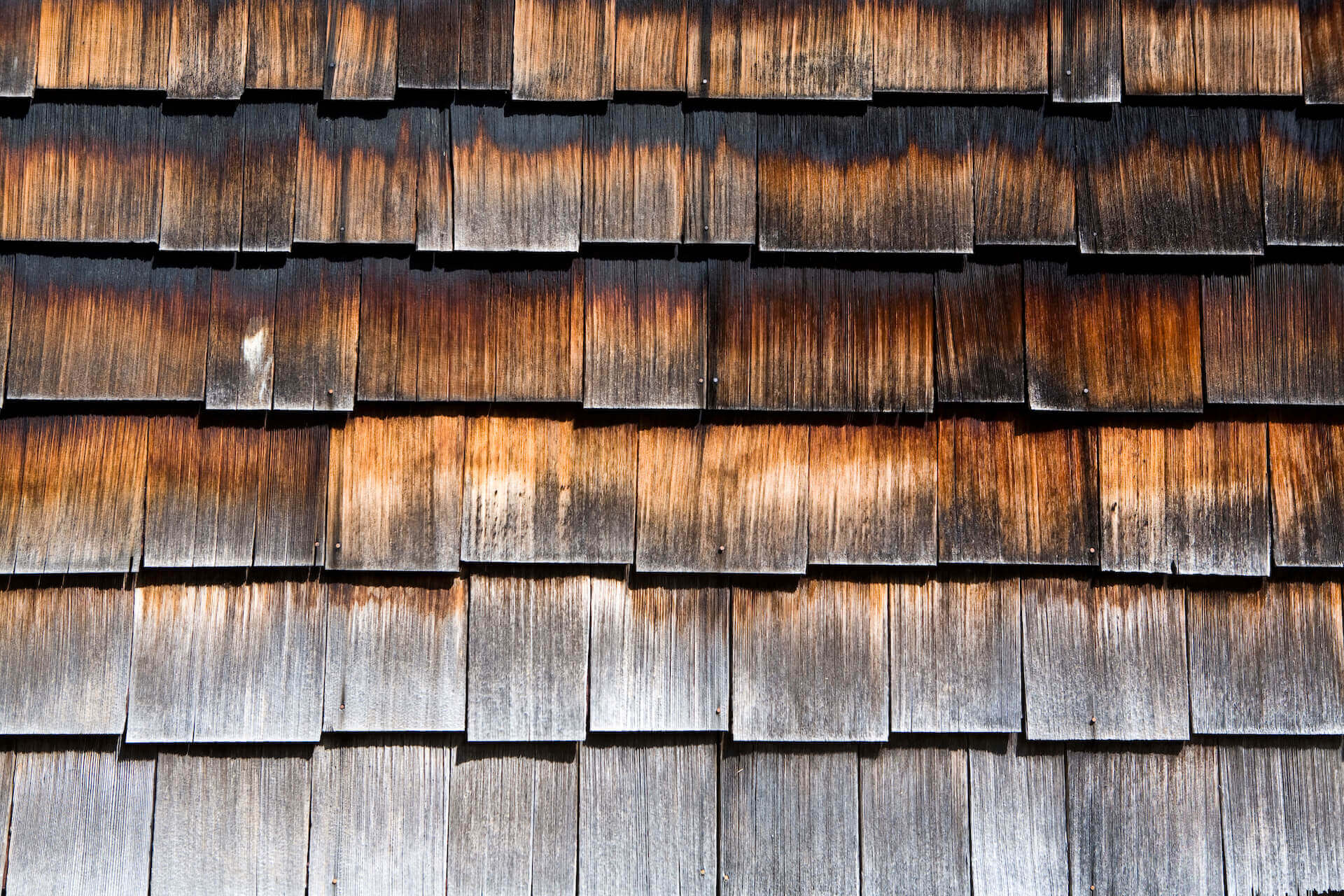
Wood shingles and shakes give a home a warm, natural character that’s hard to match with manufactured materials. In Mississauga’s humid summers and wet shoulder seasons, though, wood needs consistent maintenance and strong attic ventilation to avoid trapping moisture. Without treatment, it also carries a real fire-resistance limitation worth weighing carefully.
Pros:
- Natural, rustic appearance
- Energy-efficient
Cons:
- Require regular maintenance
- Not fire-resistant without treatment
Best for: Cottage or rustic-style homes
Wood shingles and shakes suit homeowners drawn to a natural, textured look, often on cottage-style properties or homes aiming for a rustic exterior. The material ages gracefully, developing a weathered patina that many owners actually prefer over time. That character comes with upkeep, though — Mississauga’s humid summers and damp shoulder seasons mean consistent maintenance and strong attic ventilation are necessary to prevent moisture retention. Fire-resistant treatment is also worth budgeting for if it isn’t already applied.
Synthetic Materials
Synthetic roofing products are designed to mimic the look of slate, wood, or tile while cutting down on weight, maintenance, and cost. They’ve become a practical middle ground for Mississauga homeowners who want a premium appearance without the structural demands or price tag of natural materials. Quality varies a lot between manufacturers, so it’s worth checking the product’s warranty and expected lifespan closely.
Pros:
- Lightweight
- Low maintenance
- Can mimic more expensive materials
Cons:
- Less durable than some natural materials
- Environmental impact varies
Best for: Homeowners seeking a cost-effective alternative to premium roofing materials
Synthetic roofing has grown in popularity among Mississauga homeowners who like the appearance of slate, wood, or tile but not the weight, cost, or maintenance that comes with the real material. Most products install faster and lighter than their natural counterparts, often without requiring additional structural reinforcement. Quality does vary meaningfully between manufacturers, so checking the specific product’s warranty length and real-world lifespan is worth the extra research. For the right budget and style goals, it can be a genuinely smart middle-ground choice.
Importance of Proper Installation
Choosing the right contractor is crucial to ensure proper installation, which affects the lifespan and performance of your roof. Consider factors such as experience, customer reviews, and warranties when selecting a contractor. While DIY installation may save money upfront, hiring a professional ensures proper installation and often includes valuable warranties.
Maintenance and Upkeep
Regular inspections, cleaning, and repairs are necessary to maximize the lifespan of your roof. Be aware of the maintenance requirements for your chosen material and schedule inspections accordingly.
A reasonable maintenance rhythm:
- Spring and fall: visual check for missing/curling shingles, clear debris from valleys and eavestroughs
- After any major storm: check for wind or hail damage
- Every 1–2 years: a professional inspection
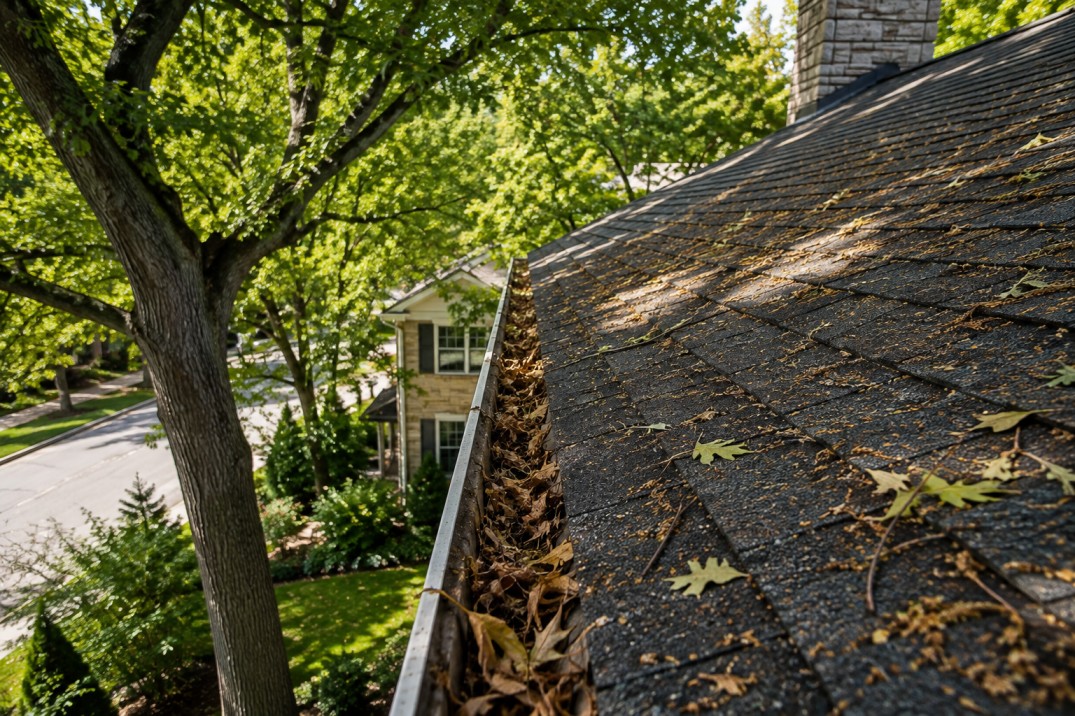
- Keep eavestroughs clear year-round — clogged gutters are a major cause of ice damming in Mississauga winters
Cost Comparison and Environmental Impact
- Initial Cost: The upfront cost of different roofing materials can vary significantly. Asphalt shingles are generally the most affordable option, while slate and clay tiles tend to be more expensive.
- Long-term Cost: While some materials may have a higher initial cost, their durability and low maintenance requirements can result in lower long-term expenses. Metal roofs and slate, for example, have longer lifespans than asphalt shingles.
- Environmental Impact: Consider the sustainability and environmental impact of each roofing material. Metal, rubber, and wood shingles are eco-friendlier options, while asphalt shingles have a higher environmental footprint.
- Energy Efficiency: Some roofing materials, such as metal and clay tiles, can help improve your home’s energy efficiency, reducing your energy bills and contributing to a greener lifestyle.
Most straightforward re-roofing (like-for-like shingle replacement) doesn’t require a permit in Mississauga, but structural changes or deck replacement usually do — confirm with your contractor or the City before work starts.
Conclusion
In summary, choosing the right roofing for your Mississauga home involves considering factors such as climate, building codes, budget, and aesthetics. By evaluating the pros and cons of various roofing materials and ensuring proper installation and maintenance, you can enjoy a durable, attractive, and energy-efficient roof that stands up to Mississauga’s diverse weather conditions.
FAQs
Which roofing material lasts the longest in Mississauga’s climate?
Slate lasts the longest, often 75-100+ years with proper care, followed by metal roofing at 40-70 years. Asphalt shingles remain the most common choice despite a shorter 20-25 year lifespan because of their lower upfront cost and easy installation.
How much does a new roof cost in Mississauga?
For a typical detached home, a full asphalt shingle roof replacement generally ranges from $8,000 to $18,000, depending on roof size, pitch, and the shingle line chosen. Premium materials like metal, slate, or clay tile cost significantly more upfront but often work out cheaper over the roof’s full lifespan.
Do I need a permit to replace my roof in Mississauga?
Most straightforward, like-for-like shingle replacements don’t require a permit in Mississauga. However, structural changes, deck replacement in some cases, or adding features like skylights usually do require approval — it’s best to confirm with your contractor or the City before work begins.
How often should I get my roof inspected?
A professional inspection every 1-2 years is a reasonable baseline, along with a visual check each spring and fall and after any major storm. Regular inspections catch small issues like flashing wear or granule loss before they turn into costly leaks.
Which roofing material is best for a flat or low-slope roof?
Rubber (EPDM) roofing is generally the best fit for flat or low-slope sections, such as those found on additions, garages, and bungalows. It resists ponding water and flexes well with Mississauga’s temperature swings, unlike pitched-roof materials such as shingles or tile, which aren’t designed for flat applications.