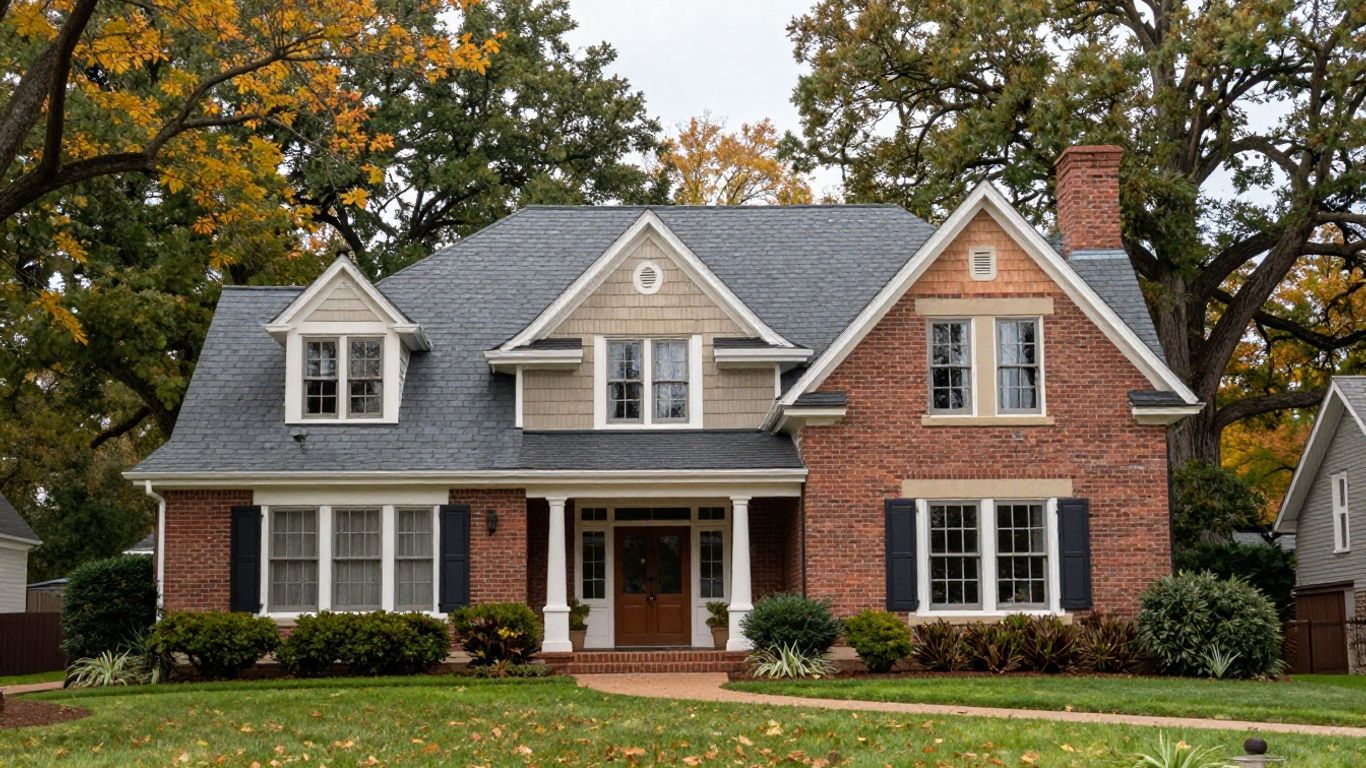
If you own a century home near Lakeshore Road, Navy Street, or anywhere else in Old Oakville, choosing a roof material is a different decision than it is for a newer build. The material has to work with the house’s proportions, the roof structure has to actually support it, and in some cases a heritage designation adds another layer to the decision entirely. Cedar vs. Slate vs. Asphalt each bring their own trade-offs, and this guide compares them on the factors that actually matter for an older Oakville home: architectural fit, structural weight, ongoing upkeep, and what to check before you commit.
Key Takeaways
- Choosing a roof for an older Oakville home means weighing its architecture alongside practical needs, not just comparing material prices.
- Cedar can complement traditional architecture, but it needs ongoing attention and periodic inspection to perform the way homeowners expect.
- Slate offers a distinctive, long-lasting material, provided the roof structure can actually support its weight, which varies significantly from asphalt.
- Asphalt shingles are a practical option, and architectural profiles now come in styles that echo the depth of cedar or the texture of slate.
- Roof framing, the deck condition, and any heritage designation matter as much as which material you like the look of.
What Makes Roofing an Old Oakville Home Different
Roofing an older home isn’t simply a matter of picking a colour or comparing prices per square foot. The roof is part of the house’s character, and its form, pitch, and detailing can matter as much as the material itself. Before deciding, you need to look at both the home’s architectural history and the actual condition of the structure underneath the existing shingles or tiles.
Heritage Districts and Architectural Character in Old Oakville
Old Oakville roofing materials range from traditional wood and slate on the oldest properties to asphalt shingles added during later renovations. A material that suits one home may look out of place on the house next door, even within the same block. Start by looking at the roof’s pitch, eaves, dormers, and visible edges, then consider how a given material will sit alongside the home’s existing brickwork and trim.
If your property carries a heritage designation or sits within a designated heritage district, check the applicable requirements with the Town of Oakville’s heritage planning staff before finalizing a material choice. Requirements vary by property and by the specific work proposed, so don’t assume a like-for-like replacement is automatically exempt just because a neighbouring home did something similar. Confirming this early avoids turning a design decision into a scheduling problem partway through a project.
Structural Considerations for Century Homes (Roof Deck, Framing Load)
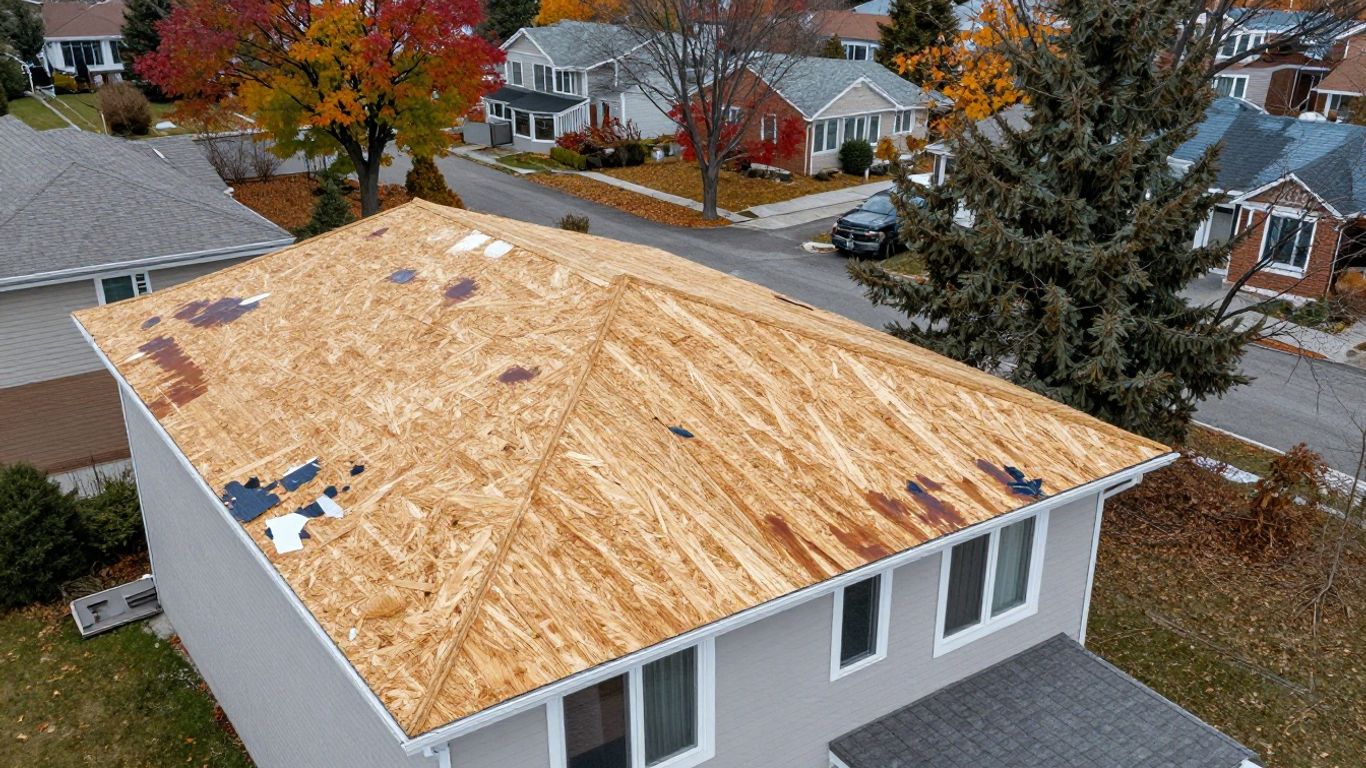
A roof’s visible surface only tells part of the story. On a recent assessment of a century home near Kerr Street, we found the original 1×6 board decking was still intact under two layers of later shingle overlays, but two sections near the chimney had softened enough that they wouldn’t have held new fasteners securely. Older framing and decking can be altered or weakened over decades of small repairs, which is exactly why a hands-on structural check matters before comparing materials on appearance alone.
Before comparing cedar, slate, and asphalt, gather a few practical details about your specific roof:
- Ask whether the existing deck is sound and appropriate for the planned installation.
- Check for signs of sagging, water staining, or past repairs that warrant a closer look.
- Discuss how the proposed material’s weight relates to the existing framing.
- Include flashing, valleys, and other roof details in the scope of the review, not just the field area.
These checks don’t replace a full structural assessment, but they help you ask sharper questions when you sit down to compare quotes. For a deeper look at how to evaluate an older roof deck specifically, our roof deck assessment covers the signs of decking damage that matter regardless of which finish material goes on top. Older Oakville roofs are also more prone to winter ice damming due to aging insulation and ventilation gaps, which can compound existing deck damage if left unaddressed. The material decision should follow what the house can safely support, not the other way around.
Cedar Roofing: Pros and Cons for Heritage Homes
Cedar has a natural texture that sits comfortably on many older homes, especially where wood detailing is already part of the exterior. It also comes with upkeep considerations worth an honest look before committing.
Why Cedar Suits Older Oakville Architecture
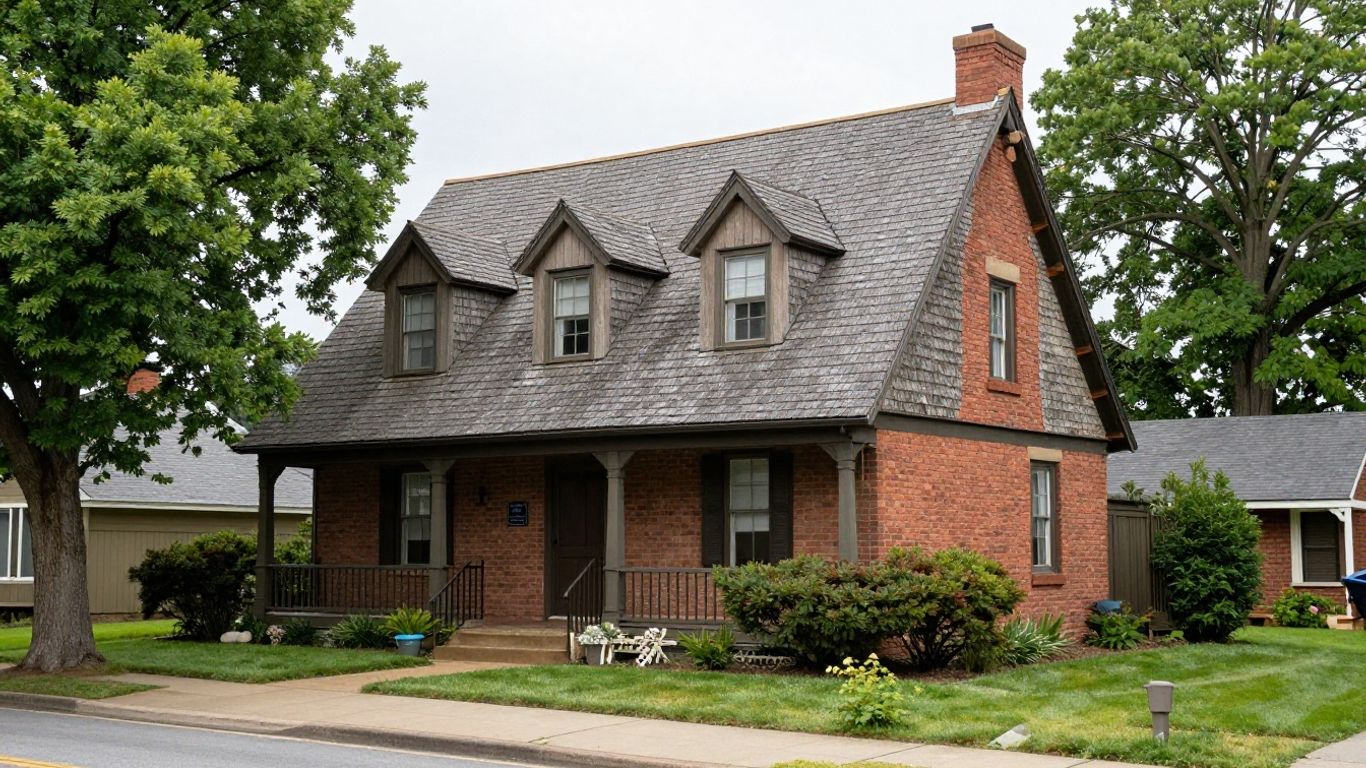
Cedar’s grain and natural variation can soften a roofline and complement the character of older architecture in a way manufactured products struggle to match exactly. Its appearance also changes as it weathers to a silver-grey patina over time, which some homeowners consider part of the material’s appeal rather than a downside. When you’re weighing cedar, look at physical samples against your actual roof rather than a small photo online; the pitch and surrounding materials change how the finished surface reads from the street.
Maintenance and Lifespan Realities
Cedar is a natural material, so its condition depends heavily on exposure, installation quality, attic ventilation, and ongoing maintenance. On a re-roof near Navy Street, we removed cedar shakes that had been installed in the late 1990s. They’d held up close to 28 years, which is within the typical 25 to 30 year range cedar shake roofs achieve with regular maintenance, but the north-facing slope had failed years earlier than the rest of the roof because it stayed damp longest after rain. Ask any contractor what inspection schedule and care their specific product and roof design actually require, rather than relying on a generic lifespan number. Shaded or consistently damp areas of a roof, and details that trap debris, typically need more frequent attention than the rest of the field.
The asphalt vs cedar roof decision for an Ontario home isn’t just about initial appearance. Cedar can suit a traditional home beautifully, but it’s worth being honest with yourself about the time and future maintenance you’re comfortable taking on before you commit to it.
Slate Roofing: Pros and Cons for Heritage Homes
Slate has a distinctive stone surface with a long history on traditional architecture, and it can be a strong visual match for certain century homes. Its weight and installation requirements make the structural assessment especially important here, more so than with either other material.
Why Slate Is Common on Century-Old Properties
The varied texture and crisp edges of natural slate suit steep rooflines, dormers, and other period details particularly well, which is part of why it shows up so often on Old Oakville’s oldest homes. Slate is a genuinely durable roofing material when properly selected and installed. Well-maintained natural slate commonly lasts 75 to 100+ years, which is part of why so many original slate roofs on century homes are still repairable rather than needing full replacement. The actual condition of an existing slate roof still depends on its specific materials, fasteners, and age. If your home already has slate, an inspection can distinguish a repairable section from a roof that needs broader work.
Weight and Structural Requirements
Natural slate is substantially heavier than shingle systems. As a general industry reference point, a slate roof typically weighs somewhere in the range of 800 to 1,500 lbs per square (100 sq ft), compared to roughly 200 to 400 lbs per square for standard asphalt shingles. That’s a meaningful difference, and it’s why framing and deck condition need real evaluation before slate goes on a roof. Don’t assume a century-old house can support slate just because it has a steep roof or once carried a heavy material decades ago. A qualified assessment can confirm whether the existing structure is sufficient or whether further engineering review is needed first.
If structural work turns out to be necessary, that has to factor into your comparison of material options, not just the material price on its own. A lower quoted material cost can be misleading if it doesn’t account for the deck and framing preparation your specific home requires. Whichever material you choose, proper ice and water shield protection beneath valleys and eaves remains essential on older homes exposed to repeated freeze-thaw cycles.
Asphalt Shingles: A Modern Alternative for Older Homes
Asphalt shingles are used on homes of every age, and they’re a legitimate option for older Oakville properties when the style and any municipal requirements line up. Shingles sold in Canada are typically manufactured to CSA A123.5 standards, which govern wind and impact resistance, and most product lines carry manufacturer lifespans in the 15 to 30 year range depending on the shingle grade. They’re generally available at a lower material cost than natural slate or cedar, though total project cost still depends on the roof’s complexity and how much preparation it needs.
Architectural Shingle Styles That Mimic Cedar or Slate
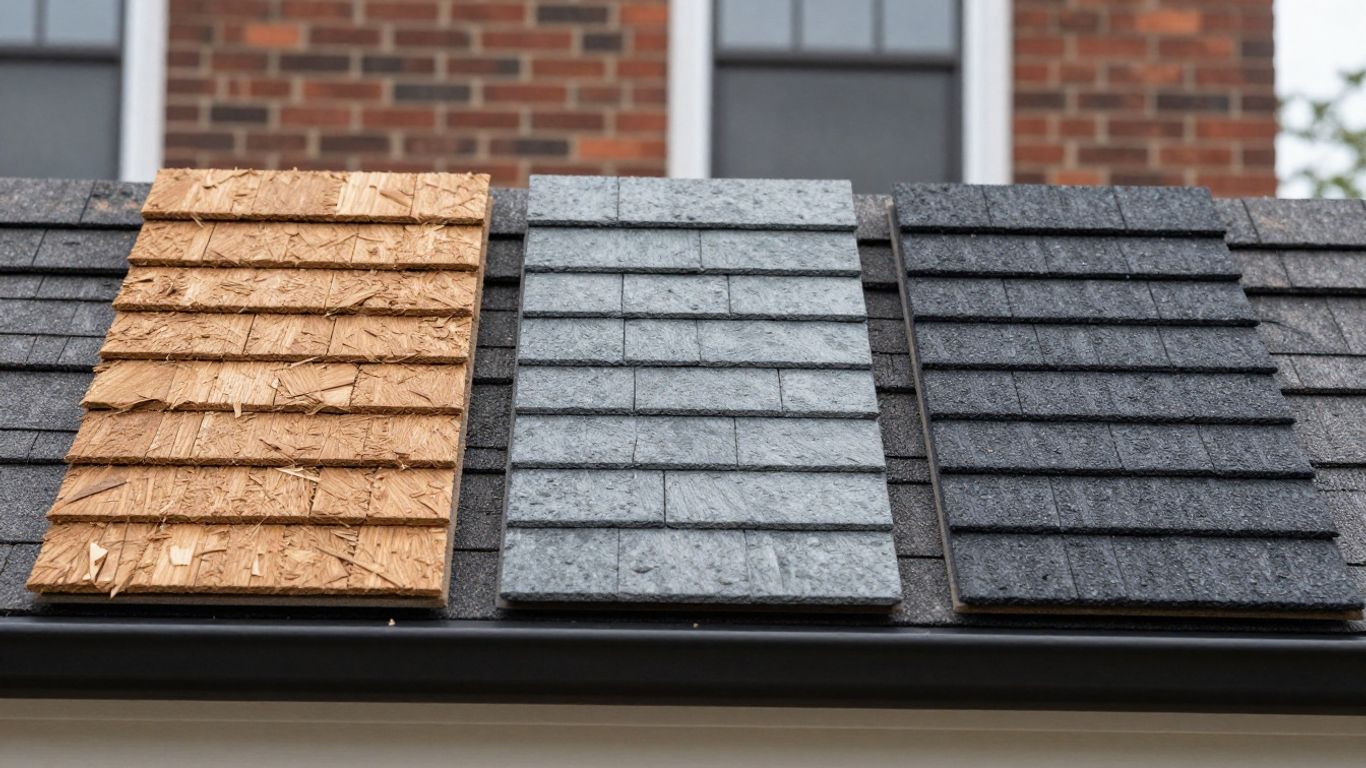
Architectural shingle profiles now come in shapes and colours designed to suggest the depth of cedar or the layered look of slate without being the original material. The resemblance isn’t identical up close, so view full-size samples on an actual roof section rather than judging from a product photo, and consider how the profile reads from the street with your home’s trim and pitch. Synthetic slate and synthetic shake products are a separate category worth a look too if you want a closer visual match than standard architectural shingles provide, though they carry their own cost and installation considerations.
Cedar vs. Slate vs. Asphalt: Side-by-Side Comparison
Each material involves a different set of trade-offs, and the best fit for your home depends on the property and your own priorities, not a universal ranking. Cedar brings natural variation and ongoing upkeep, slate brings stone character and significant weight, and asphalt offers the widest range of styles at the most accessible entry point.
| Material | Appearance | Structural consideration | Typical lifespan | Maintenance and planning |
|---|---|---|---|---|
| Cedar | Natural grain and variation, weathers to silver-grey | Review the existing roof system and installation requirements | 25-30 years with regular maintenance | Plan for regular inspection and upkeep |
| Slate | Distinctive stone texture | Heavier (roughly 800-1,500 lbs/square); assess framing and deck capacity | 75-100+ years when well maintained | Specialist assessment and careful detailing needed |
| Asphalt shingles | Broad range of colours and profiles | Generally lighter than slate; confirm suitability for the roof | 15-30 years depending on grade | Compare product warranty terms and repair expectations |
Use this table to narrow your shortlist, then look at what a simple comparison table can’t capture: roof complexity, required deck preparation, heritage review, and installation scope. Those factors can shift total project cost more than the base material price does. A written quote from a licensed contractor remains the most accurate source for pricing, since costs vary significantly by roof complexity and material grade.
Not sure whether your roof structure can support the material you have in mind? Book a free structural assessment with our Oakville crew and we’ll tell you what your framing and deck can actually handle before you shortlist materials.
Choosing the Right Material for Your Old Oakville Home
There’s no single answer that applies to every property in Old Oakville. Your home’s architecture, structural condition, maintenance preferences, and budget all shape the right call. A sensible process starts with what the roof actually needs structurally, then narrows down which material meets those needs while respecting the home’s character. Roof details like flashing and valleys deserve the same attention as the field material. Our guide to roof valley flashing details covers why these transition points matter regardless of which material you choose, and homes under mature tree cover should also review our mature tree canopy guide, since debris management affects cedar and slate differently than it affects asphalt.
Heritage Permit and Municipal Considerations
Before ordering materials or setting a project schedule, confirm whether your property carries heritage designation or sits within a heritage district, and ask the Town of Oakville directly what approvals apply to your specific project. Requirements depend on the property and the planned work, so don’t rely on assumptions based on a neighbouring house or an earlier project of your own. Keep any written guidance you receive with your project records, and make sure the proposed material and visible roof details are explicitly covered by it.
It’s also worth comparing contractor quotes on identical scope. Ask each contractor to spell out the material, underlayment, flashing, removal and disposal, anticipated deck work, and any exclusions in writing. A clearly matched scope lets you compare quotes fairly instead of guessing at what’s hidden inside a single bottom-line number.
Why Choose Above It All Roofing for Heritage Roofing in Oakville
Our Oakville roof replacement team treats the material decision and the structural assessment as two separate conversations, because they are. You’ll get a straightforward explanation of how we assess the existing roof structure, what preparation is included in a quote, and which heritage requirements you should verify independently before signing off on anything.
Whether you end up working with Above It All Roofing contractor or another contractor, your decision should rest on the property-specific information in front of you, not on marketing claims. Ask any contractor for a written scope, review material options against your home’s actual structural needs, and confirm municipal requirements yourself with the Town rather than taking anyone’s word for it. That process gives you a solid basis for deciding whether a proposal genuinely fits your heritage roof.
Conclusion
For an Old Oakville home, the right roof respects the home’s architectural character while fitting its structure, your maintenance tolerance, your budget, and any municipal requirements that apply. Compare cedar, slate, and asphalt with all of that in view, and let a property-specific structural assessment guide the final call rather than appearance alone.
Call 647-771-1554 for a free structural assessment and material consultation, and ask about financing options if cedar or slate is the direction you’re leaning toward, since both carry a higher upfront cost than standard asphalt.
Frequently Asked Questions
Is cedar a good choice for an older Oakville home?
Cedar can complement traditional architecture with its natural grain and variation. It also requires ongoing attention, so weigh its maintenance needs alongside appearance and any local heritage requirements before deciding.
Is slate too heavy for a century home?
Not necessarily, but slate’s weight (typically 800 to 1,500 lbs per square) means the framing and roof deck need a real assessment before installation. A home’s age or style alone doesn’t tell you whether it can support slate.
Can asphalt shingles suit a heritage-style house?
Yes, particularly when you choose a profile and colour that fit the home’s proportions. If the property has heritage designation or sits in a heritage district, confirm applicable requirements with the Town first.
Which roofing material is usually the least expensive?
Asphalt shingles generally have a lower material cost than natural cedar or slate, but total project cost depends heavily on roof complexity, structural preparation, and installation scope. Compare written quotes with matching scopes rather than comparing material prices in isolation.
Do I need approval to change my roof material in Old Oakville?
Requirements depend on the specific property and proposed work. Check with the Town of Oakville before making a material or design change, particularly if the home is designated or located within a heritage district.
How can I tell if my roof deck needs repair?
A qualified inspection can assess the deck directly and check for signs of damage or deterioration. If concerns turn up, ask specifically what repairs are needed and how they’d affect your choice of roofing material.
What should I compare across roofing quotes?
Compare the material and product details, removal and disposal, underlayment, flashing, expected deck work, exclusions, and warranty terms side by side. Matching the scope across quotes gives you a far more useful comparison than looking at the bottom-line total alone.