
Soffit and Fascia Services in Milton
Soffit and fascia, installed and repaired properly, because keeping moisture, pests, and heat loss out of your Milton home takes more than a quick patch job.
Understanding Soffit and Fascia Systems
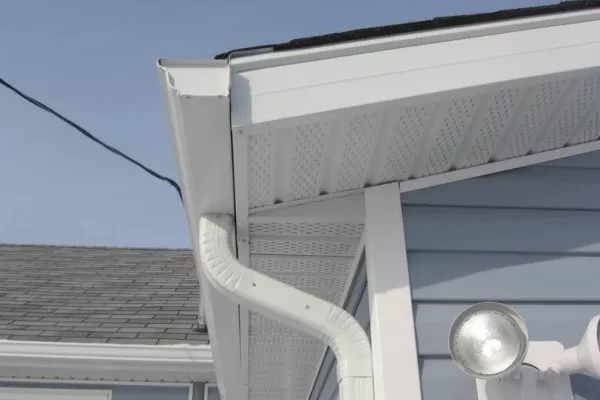
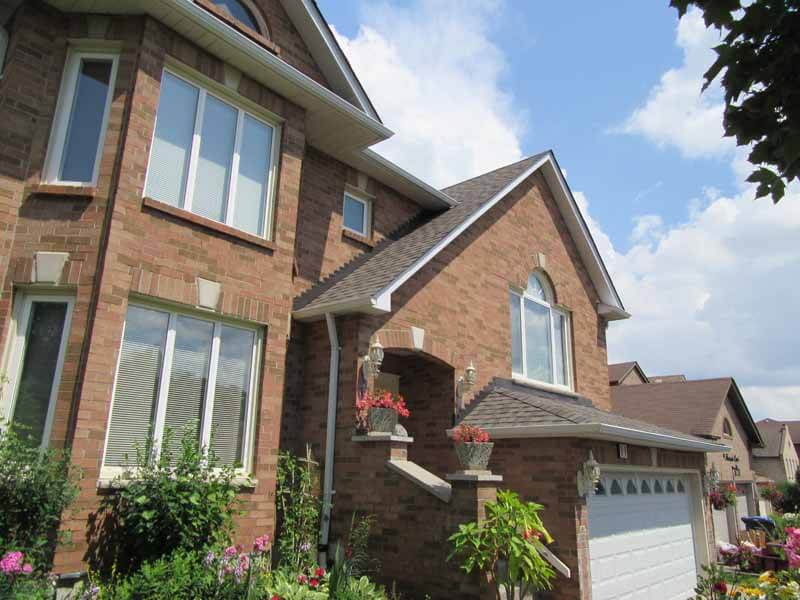
Look along the lower edge of any roof and you’ll spot the fascia – the horizontal board that caps the rafter ends and gives your eavestroughs a place to attach. Soffit serves different functions: it covers the underside of the roof overhang, closing the gap between your exterior wall and the roof’s edge.
Together, soffit and fascia serve three important functions: they provide attic ventilation, protect roof structure components from weather exposure, and close off potential entry points for moisture and pests. When both components are in good condition and properly installed, they do this work invisibly. When they fail, the consequences show up in the attic, in the eavestroughs, and eventually inside the home.
Full Soffit and Fascia Installation in Milton
Proper soffit and fascia installation in Milton requires careful attention to ventilation requirements, material compatibility, and weathertight detailing at every corner and transition. The ventilation openings in the soffit panels need to be sized to serve the attic volume they’re ventilating. Too little airflow causes heat buildup in summer and moisture problems in winter.
We handle complete soffit and fascia installation for Milton homes using aluminum and vinyl materials that don’t rot, hold their shape through freeze-thaw cycling, and don’t require repainting to stay looking clean. Whether you’re replacing aged wood components or completing a new build, we carry the full scope from removal through final installation.
Request a Free Roof Estimate



Years In Business
Happy Clients
Projects Completed
Trained Staff
Common Soffit and Fascia Problems
Water Damage and Wood Rot
When fascia boards or wood soffit components absorb moisture over time, rot can spread to the rafter tails and the sheathing behind them. By the time it’s visible from the ground, the underlying damage is often already significant. Prompt soffit and fascia installation of replacement material stops the spread.
Ventilation Blockage
Soffit vents blocked by insulation, debris, or deteriorated panels restrict the airflow that helps regulate attic temperatures. In Milton winters, poor attic ventilation contributes to ice dam formation at the roof edge – a cycle that causes ongoing damage to both roofing material and the fascia below it.
Animal and Pest Entry Points
Gaps in soffit panels or at fascia joints are a favorite entry point for birds, squirrels, and insects. Once they’re in the attic, they don’t just pass through – they damage insulation, wiring, and framing. Proper installation shuts those access points down for good.
Milton Roofing Services
Asphalt Roofing
Airflow Ventilation
Eavestroughs, Siding And Soffits
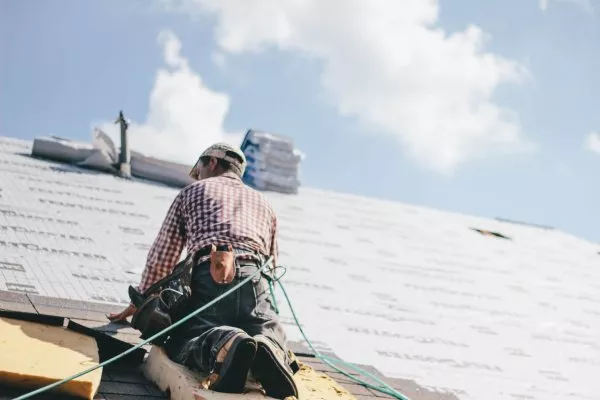
Emergency Roof Repair
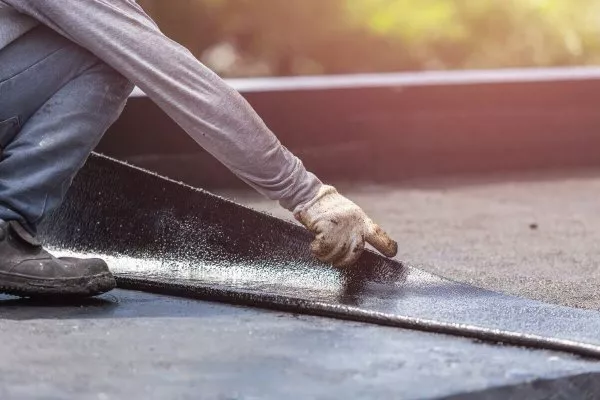
Flat Roof
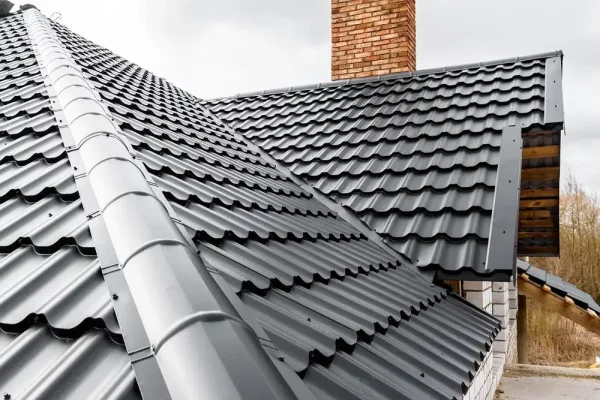
Metal Roofs Installation & repairs
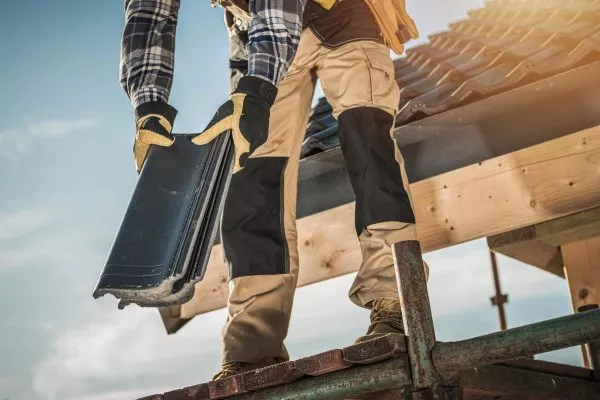
Missing Shingles
Roof leaks repairs
Roof Replacement
Roof Tune-Ups
Skylights & Sun Tunnels

Animal Damage Repair
Benefits of Professionally Installed Soffit and Fascia
Done correctly, soffit and fascia installation pays off for Milton homeowners in a few concrete ways.
Improved Attic Airflow
When soffit panels are vented to match your attic’s actual ventilation needs, airflow stays balanced and attic temperatures stay stable through every season. The payoff shows up elsewhere, too – shingles last longer, ice damming becomes less of a risk, and the whole roof performs better in Milton’s climate.
Enhanced Exterior Appearance
New soffit and fascia give the roofline a clean, finished look that ties in with your siding and trim. For homes going through a broader exterior refresh, this work often gets bundled in, and it makes a real difference to how the whole house presents from the street.
Long-Term Protection Against Moisture
Installed properly, soffit and fascia create a continuous barrier at the roofline that keeps water away from rafter ends, wall tops, and the attic itself. Given how consistent rain and snow are in Milton, that protection matters a lot for the long-term health of the structure.
Client TestimonialS


Frequently Questions
What functions do soffit and fascia serve on a residential property?
Between the two, they close off the roofline, give the attic a way to breathe through vented soffit panels, protect the rafter ends and roof edges from the elements, and block pests from getting in. It’s easy to mistake them for trim, but they’re actually doing real structural and functional work as part of the roof system.
How do I know if I need a new soffit installation?
Visible cracks, holes, sagging panels, or signs of pest intrusion are clear signals. Soffit installation is also worth considering if the existing material is painted wood that’s showing age – modern aluminum and vinyl products outperform it on every practical measure.
Can fascia be replaced without removing the roof?
Generally, yes. Since fascia work happens below the roofline, it doesn’t mean disturbing the shingles or underlayment above it. That said, tying the flashing in correctly still isn’t something to rush.
How long does soffit and fascia installation take?
For most Milton homes, one to two days covers it, depending on the linear footage and whether any repairs are needed underneath before the new material goes on.
Which soffit and fascia materials work best for Milton's climate?
Aluminum and vinyl are our go-tos for Milton homes. Neither warps or cracks under freeze-thaw cycling, both are close to maintenance-free, and both come in enough profiles to match whatever architectural style your home has.
Fully Licensed and Insured








FAQs
How often should I replace my roof?
The average roof lasts 20 to 25 years, but this depends on the material, the climate and how well the roof is maintained. Metal, slate and tile roofs last much longer than asphalt shingles.
How do I know if my roof needs to be replaced?
Common signs include curling or missing shingles, granules collecting in the gutters, leaks or stains on the ceiling, a sagging roof deck, and a roof that is near the end of its expected lifespan. A professional inspection can confirm whether repair or replacement makes more sense.
How long do asphalt shingles last?
Asphalt shingles typically last 15 to 30 years, and 20 to 25 years is common. Freeze-thaw cycles, heavy snow and poor ventilation can shorten that lifespan in Ontario.
Which roofing material lasts the longest?
Slate lasts the longest, often more than 100 years. Clay and concrete tiles can last 50 to 100 years, and metal roofs generally last 40 to 70 years. Asphalt shingles have the shortest lifespan but are the most affordable.
Can I make my roof last longer?
Yes. Have the roof inspected regularly, keep gutters clear, remove debris and moss, make sure the attic is properly ventilated, and repair small problems quickly. Good installation also has a big effect on how long a roof lasts.
Should I repair or replace my roof?
A few damaged shingles or a small, isolated leak can usually be repaired. If the roof is old, has leaks in several places, or shows widespread curling and bare spots, replacement is usually the better long-term choice.
Does poor attic ventilation shorten the life of a roof?
Yes. Poor ventilation traps heat and moisture in the attic, which can cause shingles to degrade early and lead to leaks. Proper ventilation helps control temperature and humidity and prolongs the life of the roof.