If you own an older home in Etobicoke, a roof replacement quote can come in noticeably higher than a neighbour’s newer house of the same size, and the reason usually sits underneath the shingles. Etobicoke older homes roof replacement projects, especially on houses built before 1980, tend to involve extra shingle layers, original board decking, thin attic insulation, and flashing that has been patched for decades. This guide explains where that added complexity comes from, what a proper written scope should include, and how to compare quotes without surprises halfway through the job.
Key Takeaways
- A pre-1980 home may have older decking, multiple roofing layers, or repairs hidden from view.
- Attic ventilation and insulation affect moisture management and should be assessed alongside the new roof.
- Underlayment, edge details, and flashing often need updating when an older roof is replaced.
- Inspection findings can change the scope, so every quote should explain how concealed conditions are handled.
- A detailed written scope is the best way to compare proposals and understand the final cost.
What Counts as Pre-1980 Housing Stock in Etobicoke
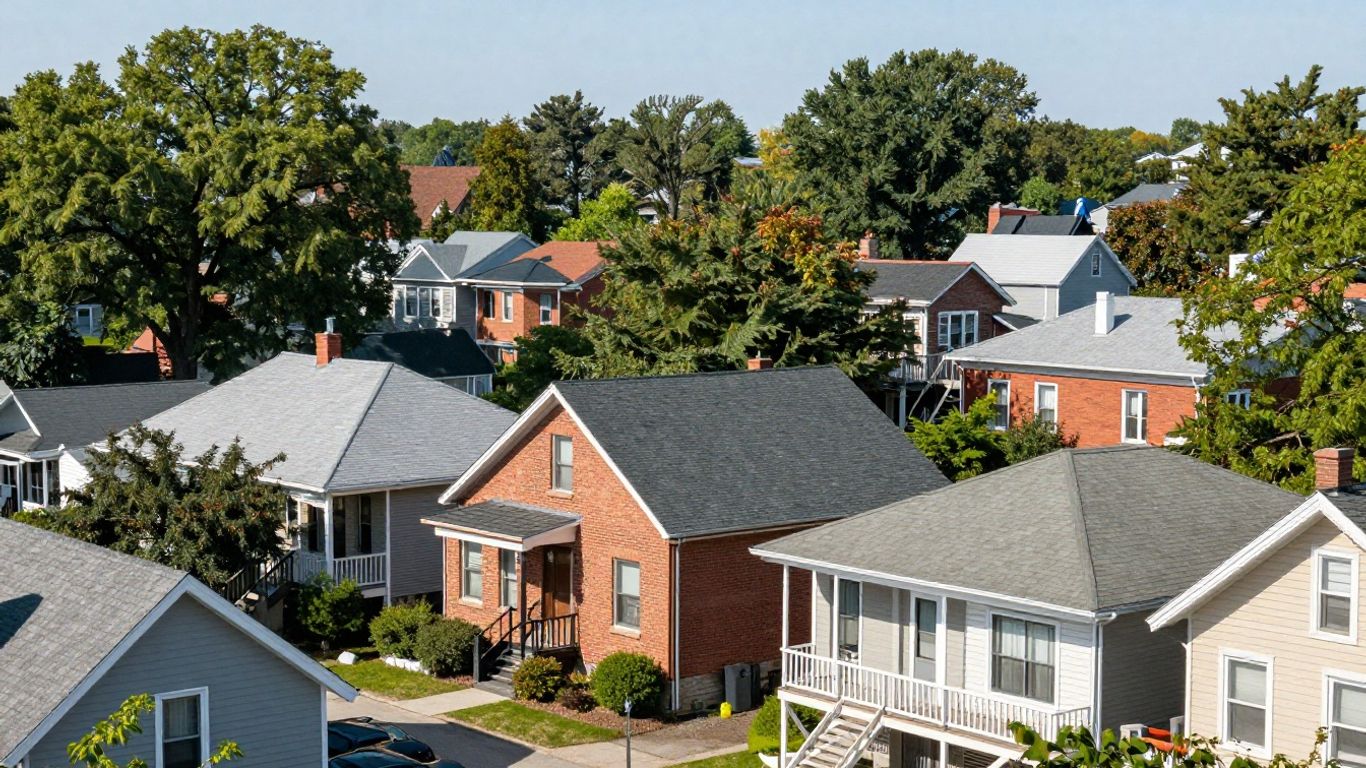
“Pre-1980” is shorthand, not a precise description of every house. Much of Etobicoke was built out between the 1940s and the 1970s, in neighbourhoods like Mimico, Alderwood, Long Branch, Rexdale, and parts of The Kingsway. Homes from different decades can have different roof shapes, materials, and repair histories, even on the same street. When you assess an older roof, its construction and condition matter more than its age alone.
Post-War Bungalows and Early Subdivisions Across Etobicoke
Many Etobicoke houses reflect the post-war building boom, when practical, low-profile designs became the norm. Bungalows and other modestly pitched roofs are common, but later additions can make the roofline more complicated than it looks from the street. A rear addition, enclosed porch, or garage often has its own roof-to-wall transitions and drainage needs, and some use a low-slope section that calls for Etobicoke flat roof replacement methods rather than shingles.
The original build date is only a starting point. Ask whether the roof has been replaced before, and look for clues such as mismatched shingles, patched valleys, or different layers visible at an edge. That history explains why two similar-looking houses on the same block can need very different replacement scopes.
How Roofing Standards Have Changed Since the 1970s
Shingle construction, underlayment products, and eave protection details have all changed since the 1970s. A roof installed in that era may not include the water-management details expected in a current replacement, and decades of repairs add further variation. Many of these roofs have also been reroofed once or twice already, so knowing how long roofs typically last gives you a useful starting guess at how many layers may be hiding on your house.
Removing the old covering often reveals details that weren’t visible during the first walk-around. That is why the full roof assembly matters more than the shingle label. A replacement plan should treat the deck, underlayment, edges, ventilation, and roof penetrations as one connected system, and your contractor should be able to tell you which components are present and which updates are in the quote.
Hidden Layers Under the Shingles: The Biggest Complexity Factor
The roof surface conceals most of the work that determines scope. Older repairs, extra layers, and the condition of the wood deck only become clear as materials come off. A good inspection and written plan account for those possibilities without assuming every older roof hides the same problems.
Multiple Shingle Layers and Tear-Off Complexity
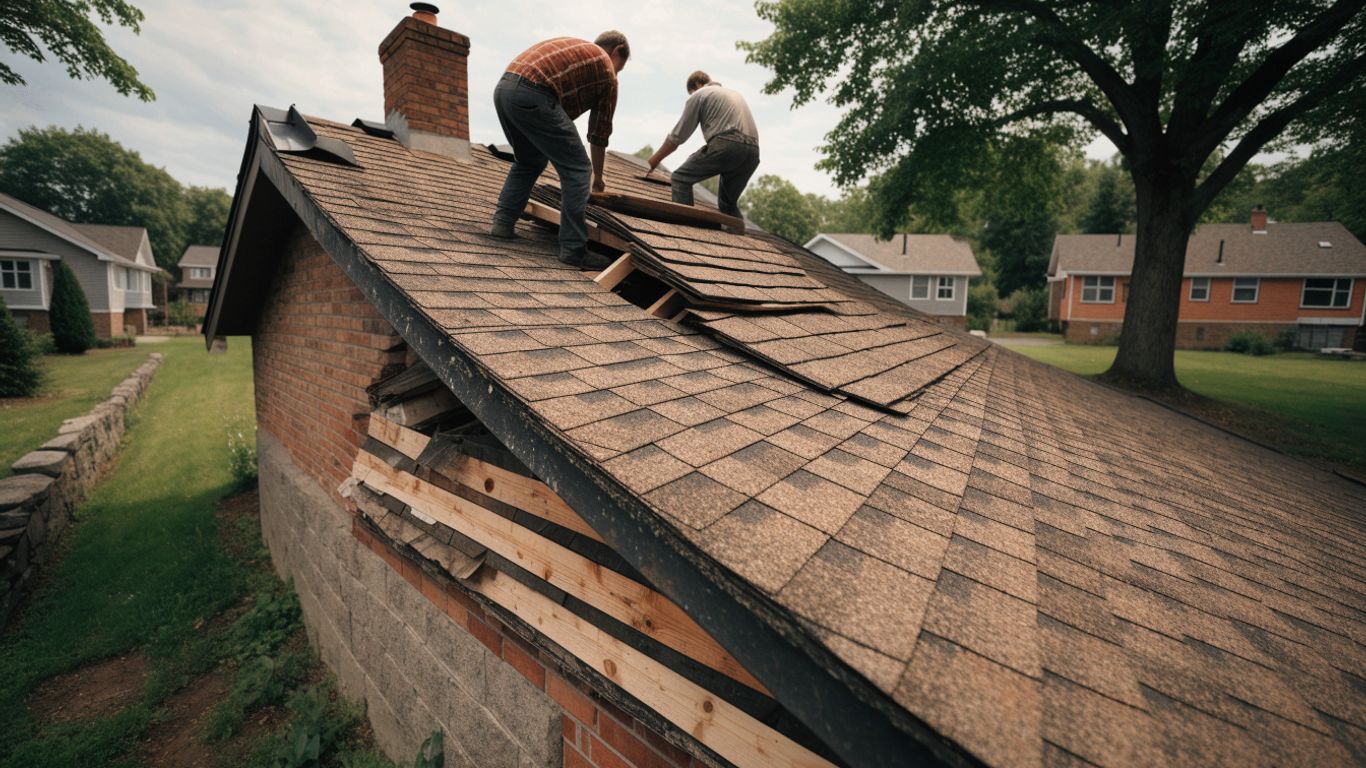
Some older roofs were covered a second time rather than stripped back to the deck. On a Mimico bungalow last spring, we found two full layers of shingles stacked over the original board sheathing. The tear-off took far longer than a single-layer roof of the same size, and the disposal load was heavier, which is why we now try to confirm layer count from the roof edges and the attic before we quote.
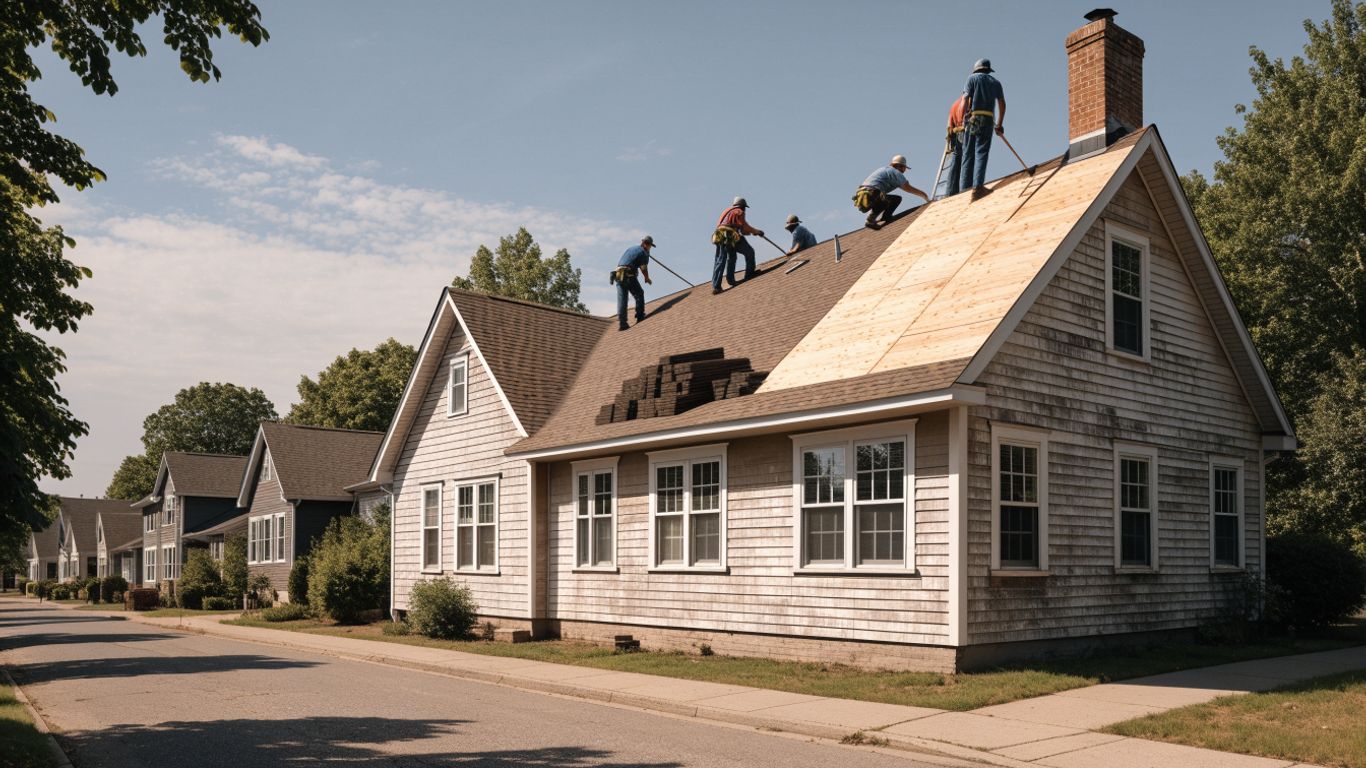
Each additional layer adds material to remove and makes it harder to judge the surface underneath. A quote should state whether removal of existing roofing is included, how many layers that covers, and how unforeseen conditions are priced. Where a roof has more than one layer, compare proposals by the scope of removal and disposal, not just the new shingle price. That tells you whether two estimates describe the same work.
Original Board Sheathing vs. Modern Plywood or OSB
Older roofs often have board sheathing, with plywood or oriented strand board (OSB) added later in repaired areas. On an Alderwood bungalow, the original boards had shrunk over the decades, leaving gaps wide enough that the new underlayment would have had nothing solid to sit on in places. We corrected those sections before installing anything. Whether the later repair panels are plywood or OSB also matters, and our breakdown of plywood versus OSB decking explains how each behaves once moisture gets in.
A contractor can’t always judge the deck from the exterior, especially where shingles and underlayment cover the wood. These common findings show why the deck should be assessed during tear-off rather than assumed from the home’s age:
| Finding | Why it matters | What to clarify |
|---|---|---|
| Board sheathing | Gaps or movement may affect installation details | Whether the boards are sound and adequately supported |
| Plywood or OSB panels | Damage or soft areas can be hidden by the roof covering | How replacement or repair is priced |
| Mixed deck materials | Transitions may need additional inspection | Which areas are included in the base scope |
| Moisture staining or decay | Visible damage may not show its full extent | How concealed damage is documented and approved |
Use the inspection findings to confirm whether deck repairs are included, treated as an allowance, or billed separately. A clear explanation before work starts prevents confusion if the crew uncovers damaged wood during removal.
Ventilation and Insulation Gaps in Older Attics
An older roof replacement is the right time to check the attic as well as the exterior. In a Rexdale split-level we inspected in February, frost had built up on the underside of the roof deck because the soffit vents were blocked by insulation and the attic couldn’t move air. A new roof covering alone would not have fixed that, and the new shingles would have aged faster over a deck that stayed damp.
Look for condensation, dampness, staining, or frost on the underside of the deck, keeping in mind that no single sign identifies the cause. The condition of vents, insulation, and air pathways shows how the attic is performing, and a careful assessment links what’s visible inside with the roof layout outside. If you find active dripping or a ceiling stain that keeps spreading, emergency roof repair can stop the water from doing more damage while the full replacement is planned.
The replacement discussion should separate roofing work from attic upgrades. If your inspector recommends ventilation or insulation changes, ask what problem each one addresses and whether it’s included in the proposal. That conversation matters most on a vintage home where the new roof assembly has to fit the house’s real conditions, not a generic template.
Missing Modern Protections: Ice and Water Shield, Drip Edge, and Underlayment
A roof can have shingles in place without the protective details you’d expect in a current replacement. Underlayment, drip edge, and ice and water shield each do a different job, and their presence or condition can vary across an older roof. Eave protection for areas prone to ice damming is part of the Ontario Building Code, so ask your contractor which provisions apply to your roof and how they’ll be met.
During replacement, ask where underlayment will go and how the eaves, valleys, and other vulnerable transitions will be treated. Ice and water shield may be specified for particular areas, while drip edge manages water at the roof edge. A quote should name the materials and locations rather than relying on a broad phrase like “complete roof system.”
These details are easy to overlook when estimates focus on shingle selection. Request a written description of the edge and water-protection components and compare like with like across proposals. Among the older housing stock roofing challenges Etobicoke homeowners face, this is one of the clearest: a good scope shows that the quote addresses the old roof’s weak points, not just its visible surface.
Chimneys, Skylights, and Aging Flashing on Older Roofs
Water enters where materials meet, so roof openings and intersections need close attention. Chimneys, skylights, plumbing vents, and wall transitions each have their own flashing details, and on an older home those details have often been repaired more than once. On a Kingsway house, the chimney flashing turned out to be several generations of roofing cement layered over each other. It looked intact from the ground, but the original metal underneath had failed.
A contractor should inspect flashing for deterioration, separation, or past patching and explain what will be replaced and what will be reused. Skylights should be assessed at both the unit and the surrounding roof detail, since a roof replacement doesn’t automatically include replacing the skylight itself. Ask which parts are covered so the scope isn’t left to interpretation.
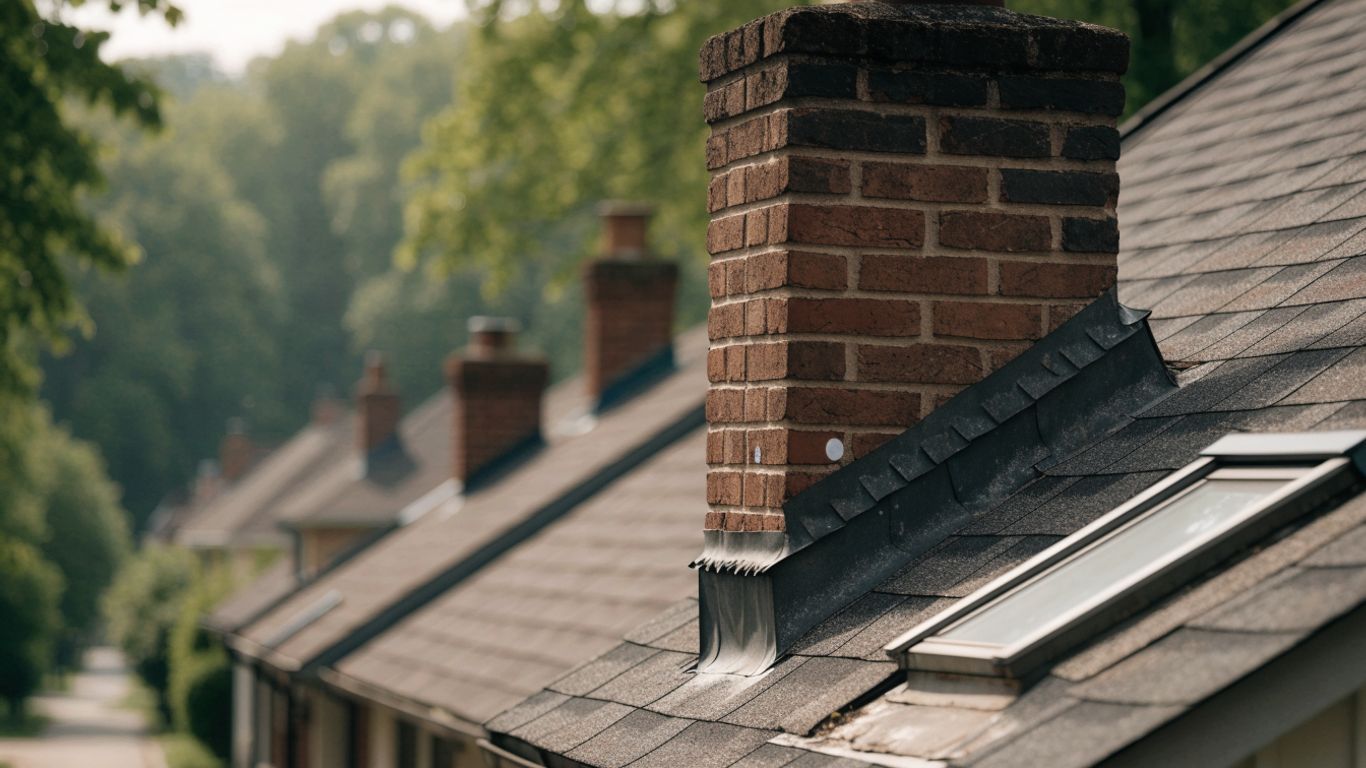
Chimney condition can also raise questions beyond roofing, especially if the masonry looks damaged. The inspection should identify what’s visible and clarify whether related repairs are in the proposal or need a separate assessment. That tells you where the roofing contractor’s scope ends before work begins.
Older Materials, Permits, and Safe Removal
Houses built before 1980 can contain building products that need identification before removal. Some products made before the 1980s contained asbestos, and although Canada banned asbestos products in 2018, the ban does not remove the material from houses built decades earlier. That doesn’t mean every older roof contains it. It does mean you should ask how your contractor handles uncertainty, whether materials are tested when there’s doubt, and how disposal is managed under Ontario’s workplace safety rules.
Permit requirements depend on the work. Etobicoke is part of the City of Toronto, so permit questions go through Toronto Building. Before approving a project, ask who will confirm whether a permit is needed and who is responsible for obtaining it. If the job goes beyond replacing the roof covering, confirm whether that affects permitting.
The removal plan should also explain how debris will be managed and how your property will be protected. Clarify what happens if the crew finds unexpected material or damage once the roof is open. A documented process gives you a better basis for decisions than an informal assurance that it will all be handled.
Why Scope and Budget Grow on Older Homes
The final cost of an older roof replacement depends on what’s needed to remove the existing materials and prepare the roof for the new system. Extra layers, damaged decking, complex transitions, and disposal all affect the work. A useful estimate explains those possibilities rather than presenting one unexplained total.
Where the Extra Work Comes From
A roof’s visible area is only part of the project. Shape, access, penetrations, and the condition of concealed components all influence time and materials. If an estimate includes an allowance for repairs, ask what it covers and how the price adjusts if actual conditions differ. It helps to review the main cost drivers separately:
- Removal and disposal of existing roofing layers.
- Repair or replacement of damaged roof decking.
- New flashing and water-protection details at edges and penetrations.
- Additional work identified after the roof is opened.
None of these is automatically required on every home. The list simply makes the potential scope visible, so you can separate confirmed work from contingencies and ask how extra work gets approved before it proceeds.
How to Compare Quotes on an Older Home
Check whether each contractor is pricing the same tear-off, disposal, underlayment, flashing, and cleanup. A lower figure may leave out items another estimate includes, or assume the deck won’t need repair. Ask for the assumptions behind each price and have exclusions stated plainly.
For a broader sense of the factors behind Etobicoke roof replacement costs, our current cost guide breaks them down by material and roof type. Treat any general pricing as context, not a substitute for a roof-specific inspection. Your home’s layers, details, and concealed conditions determine the actual scope.
What a Proper Pre-Replacement Inspection Should Cover
A useful inspection connects the exterior roof condition with what can be seen from inside the attic. It should identify visible concerns, explain what can’t be confirmed until tear-off, and give you a basis for a written scope. That makes it far more useful than a quick measurement followed by a price.
What the Attic-Side Inspection Reveals
From inside the attic, an inspector can often see the underside of the deck, the insulation, ventilation pathways, and signs of moisture. These observations flag areas that need closer attention, but they don’t always show the full extent of damage hidden under the roofing. Ask which findings are confirmed and which remain subject to inspection during tear-off.
An exterior review should also cover roof edges, valleys, flashing, penetrations, and visible patches. When both sides of the assembly are assessed, you get a more complete picture of where the replacement needs extra care. Ask for findings to be explained in terms you can connect to the proposed work.
Questions to Ask Before Approving the Scope
Before signing, make sure the proposal describes what will be removed, what will be installed, and how unexpected conditions will be handled. These questions clarify details that are easy to leave implicit:
- How many existing roofing layers are included in the tear-off price?
- What deck repairs are included, and how are additional repairs approved?
- Which underlayment, edge, and flashing details are specified?
- What is excluded, and how will concealed conditions affect the total?
Clear answers make bids easier to compare and show where the final price could change. Keep the answers with the written scope so your expectations and the contractor’s plan sit in one document.
Planning a reroof on a pre-1980 Etobicoke home? Book a free roof inspection and we’ll check the attic and exterior together, then give you a written scope that spells out layers, decking, flashing, and exclusions.
Why Choose Above It All Roofing for Older Home Roof Replacement in Etobicoke
Our Above It All Roofing Etobicoke roofers work out of 3250 Bloor Street West and have been replacing roofs across Etobicoke for over 25 years. We are WSIB-insured, and every proposal on an older home lists removal, deck contingencies, flashing, and materials line by line, so you can see what’s confirmed and what depends on what we find under the shingles.
For most Etobicoke homes, the finished roof is a professional asphalt shingle roof installation backed by our 10-year installation warranty. Whichever contractor you choose, base your decision on the inspection findings, the written scope, and how clearly your questions get answered. Confirm permit responsibilities, cleanup expectations, and how additional work gets approved before the job starts.
Conclusion
Etobicoke’s older homes can make roof replacement more involved because years of repairs and construction changes hide beneath the shingles. A careful inspection, a specific written scope, and clear plans for concealed conditions let you understand both the work and its cost before replacement begins.
Call 647-771-1554 for a free roof inspection, and ask about financing options if the scope on your older home turns out larger than you planned for.
FAQs
Does an older Etobicoke home always cost more to reroof?
Not always. Age alone doesn’t set the cost. Roof size and shape, existing layers, access, and the condition of the deck and details all affect the scope.
How can you tell if a roof has multiple shingle layers?
Clues often show at roof edges and other exposed transitions, but the full count may not be confirmed until removal begins. Ask whether the quote includes tear-off and how extra layers are priced.
Why should the attic be inspected before roof replacement?
An attic review shows moisture signs, insulation conditions, and ventilation pathways that inform the plan. It also separates roofing work from attic improvements that may need their own scope.
Will roof replacement include new flashing around a chimney or skylight?
That depends on the written scope. Ask which flashing details will be replaced, which may stay, and whether the skylight unit or chimney work is included.
What happens if damaged roof decking is found during tear-off?
The contractor should explain how damage is documented, how repair costs are calculated, and how you approve additional work. Settle those procedures before the project starts.
Do older homes need a permit for roof replacement?
It depends on the work. Etobicoke falls under the City of Toronto, so permit questions go to Toronto Building. Ask your contractor who will confirm requirements and who is responsible for obtaining a permit.
Is there a risk of asbestos in a pre-1980 roof?
Some building products from that era contained asbestos, though not every older roof does. Ask your contractor how they handle suspect materials, including testing when there’s doubt and safe disposal.
What should you compare when reviewing roof replacement quotes?
Compare removal and disposal scope, proposed materials, underlayment and flashing details, deck-repair allowances, exclusions, and cleanup. A clear estimate lets you compare the work, not just the total price.