A 2,600 sq ft shingle roof replacement in Ontario typically costs between $15,500 and $30,000 fully installed. That range reflects the difference between a standard architectural shingle system and a premium product like CertainTeed Landmark Pro or GAF Timberline HDZ, both common choices on homes this size across Mississauga, Oakville, Burlington, Milton, Georgetown, Etobicoke, Caledon, and Acton.
At 2,600 sq ft, you’re working with a large two-storey family home the kind of property where the roof is highly visible from the street and where the replacement decision often intersects with resale timing, insurance claims, or a home that’s simply reached the end of its shingle lifespan after 20-plus Ontario winters.
2,600 Sq Ft Shingle Roof Replacement Cost Breakdown in Ontario
| Cost Category | Typical Range |
|---|---|
| Standard architectural shingles — fully installed | $15,500 – $23,000 |
| Premium shingles — CertainTeed Landmark Pro, GAF Timberline HDZ | $21,000 – $30,000 |
| Tear-off and disposal of existing shingles | $1,800 – $4,000 |
| Decking replacement where needed | $80 – $140 per sheet |
| Ventilation upgrade — ridge vent and baffles | $700 – $2,000 |
| Ice and water shield + synthetic underlayment | Included in most complete quotes |
All figures are Ontario-specific and include HST. 2025 material pricing, particularly for CertainTeed and GAF products, has stabilized after supply chain increases in 2022–2023, but labour costs in the GTA continue to reflect the regional market.
Insurance Claims — When a 2,600 Sq Ft Roof Replacement Is Covered
At this roof size, the financial stakes of an insurance claim are significant. A hail event, windstorm, or ice dam that damages a 2,600 sq ft shingle roof can result in a fully covered replacement or a partial claim that leaves the homeowner covering a meaningful gap.
Whether your claim is approved depends on the adjuster’s assessment of the damage, your policy’s deductible, and whether the cause of damage falls under a covered peril. What affects the outcome most is documentation, and that’s where a contractor’s pre-claim inspection report matters.
Before filing a claim on a large roof, have your contractor produce a written inspection report with photographs identifying hail impact patterns, wind-lifted shingles, or flashing displacement. A claim supported by contractor documentation from a GAF-certified or CertainTeed-approved installer carries considerably more weight with an adjuster than a self-reported claim.
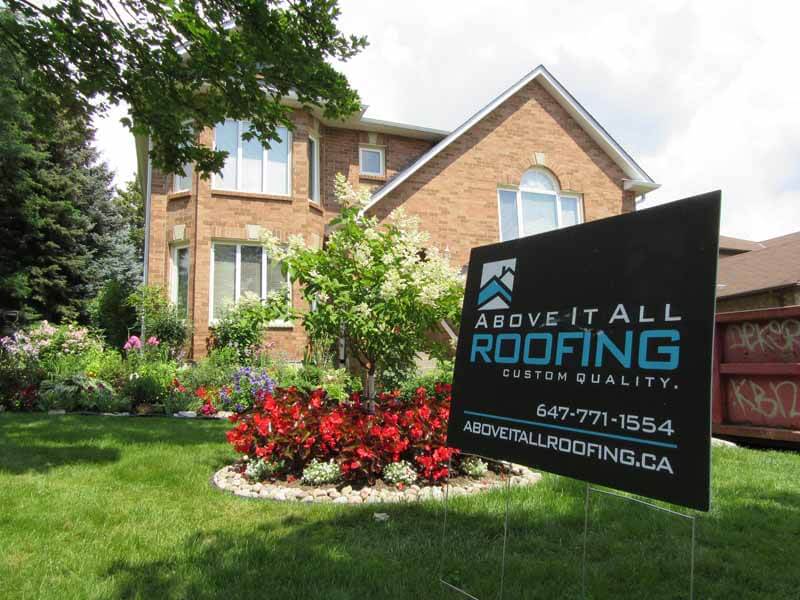
Above It All Roofing has worked with insurance companies across Mississauga, Oakville, Burlington, and surrounding communities and can support the inspection and documentation process before a claim is filed.
Shingle Colour on a Roof This Size — Why It Matters More Than You’d Expect
On a 2,600 sq ft home, the roof is one of the most visually dominant features of the exterior. It’s large, highly visible from the street and from neighbouring properties, and it sets the tone for how the entire home reads from the outside.
Shingle colour affects more than aesthetics. Darker shingles absorb more heat, a consideration for attic temperature and air conditioning load in Ontario summers. Lighter tones reflect more solar gain but can show algae growth more visibly over time if the product doesn’t include an algae-resistant treatment.
Most quality architectural shingles from CertainTeed and GAF include algae-resistant granules as a standard feature. Beyond that, the practical advice on colour for a large Ontario home: choose a tone that’s consistent with the brick, stone, or siding rather than contrasting against it. On a 2,600 sq ft roof, contrast that works on a small bungalow reads as overwhelming.
If you’re replacing the roof before listing the home, neutral mid-tones charcoal grey, weathered wood, heather blend have the broadest appeal and won’t narrow your buyer pool.
Does a New Roof Add Value to a 2,600 Sq Ft Ontario Home?
Yes, but not dollar-for-dollar, and the impact depends on where the home is in the market cycle.
A new shingle roof on a large Ontario home typically adds $8,000–$15,000 in perceived value in buyer negotiations, depending on the neighbourhood and the alternative homes on the market. More practically, a worn or failing roof becomes a negotiation point that buyers use to discount their offer, often by more than the actual replacement cost. Replacing before listing removes that leverage.
If you’re not selling, the value calculation is simpler: a new roof eliminates repair calls, protects everything beneath it, and resets your warranty clock. On a 2,600 sq ft home with a premium shingle system, you’re looking at 25–40 years before the next major replacement decision.
Contractor Capacity — What to Ask Before Hiring for a Job This Size
A 2,600 sq ft replacement requires a crew of four to six and typically runs two to three days. Not every roofing contractor in Ontario operates at this scale efficiently. Some smaller operations work in crews of two or three, which means a job this size gets stretched to four or five days, increasing weather exposure risk and delaying project completion.
Before signing a contract, ask:
- How many crew members will be on site each day?
- What’s the projected timeline start-to-finish?
- Who is the site supervisor and will they be present throughout?
- Have you completed replacements of this size in the past 12 months?
A contractor who can’t answer these specifically is worth approaching with caution regardless of their quoted price.
Browse All Ontario Roof Cost Guides
This guide covers the 2,600 sq ft shingle replacement specifically. For a different size, material, or job type, our full cost directory covers every combination:
→ Ontario Roof Replacement Cost Guide — All Sizes & Materials
Frequently Asked Questions
What time of year is best for a 2,600 sq ft roof replacement in Ontario?
Late spring through early fall May to October is the optimal window. Shingle adhesive strips activate properly above 10°C, and extended dry weather reduces the risk of rain interrupting a multi-day project. That said, experienced contractors work year-round in Ontario. Winter replacements are possible with the right crew and materials, though scheduling flexibility is more important in colder months.
How does an insurance adjuster assess a large shingle roof?
Adjusters look for impact patterns consistent with the claimed weather event, hail impacts on metal vents, flashing, and shingle granule displacement that matches the storm date. They’ll cross-reference the claim date against weather service records for your area. Having a contractor-prepared inspection report with photographs makes the adjuster’s job easier and typically speeds up claim approval. Ask your contractor if they have experience supporting insurance claims before you file.
How do I compare quotes accurately on a replacement this size?
Ask each contractor to specify: shingle brand and product line, underlayment type, ice and water shield coverage area, ventilation plan, warranty terms (workmanship and manufacturer), WSIB clearance, and cleanup process. The scope differences between a $16,000 and $24,000 quote for the same roof size are almost always in these details — not in profit margin.
Can a 2,600 sq ft roof be replaced in phases?
No. A shingle replacement is done as a complete system; ice and water shield, underlayment, shingles, and flashings must all be installed together for the waterproofing to work and the warranty to apply. Phasing a replacement across two separate projects creates mismatched installation dates, voids most manufacturer warranties, and typically costs more in total than doing it at once.