What’s the Cheapest Roof Replacement?
What Are the Different Types of Roofing Materials Available for Replacement Roofs
When it comes time to replace your roof, you have a few different options to choose from. The most common roofing materials are asphalt shingles, metal roofing, and slate or tile.
Asphalt shingles
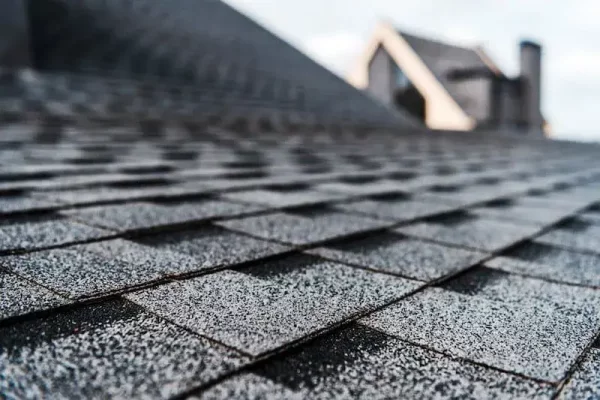
Asphalt shingles are the most common type of roofing material in Canada. They are made of a fibreglass or paper mat covered with asphalt and then coated with ceramic or stone granules. Asphalt shingle roofs are available in various colours and styles to suit any home.
Metal Roofing
Metal roofing is one of the most popular choices for roof replacement. Metal roofs are durable, long-lasting, and low-maintenance. The new roof will also be fire and energy-efficient.
Wood Shingles
Wood shingles are another popular choice for roof replacement. Wood shingles are made of cedar, redwood, or pine and provide a natural look for your home.
Slate and Tile
Slate and tile are two of the most durable roofing materials available. A slate roof can last up to 100 years, while tile roofs typically last between 50 and 70 years. However, slate shingles are some of the most expensive roofing materials.
What are The Pros and Cons of Each Type of Roofing Material
Asphalt shingles
The pros of asphalt roofing are affordability and durability. Asphalt roof comes in a variety of colours and styles. The cons are that they may not be as aesthetically pleasing as other different roofing materials, and they can be susceptible to wind and hail damage.
Metal Roofing
The pros of metal roofing are that it is durable, long-lasting, fire-resistant, and energy-efficient. The cons are that it can be more expensive than other roofing materials and may be susceptible to noise during rain or hail storms.
Wood Shingles
The pros of wood shingles are that they provide a natural look for your home, and they are environmentally friendly. The cons are that they can be susceptible to fire, insects, and rot.
Slate and Tile
The pros of slate and tile are that they are durable, long-lasting, and low-maintenance. The cons are that they can be expensive and difficult to install.
How To Reduce Roof Replacement Costs
It is important to understand that the cost of a new roof will vary depending on the size of your home, the type of roofing material used, and the roofing company you hire. However, generally, you can expect to pay between $3 and $7 per square foot for a new roof. There are several ways to reduce the cost of roof replacement. One way is to select a less expensive roofing material.
Asphalt shingles are typically the cheapest option, costing between $3 and $5 per square foot. A metal roof costs will be more expensive, averaging between $6 and $12 per square foot. However, metal roofs last longer and may require less maintenance so they may be worth the investment in the long run.
You can also save money on roof replacement by doing some work yourself. If you are handy and have some experience with home improvement projects, you may be able to install the new roof shingles yourself. This will require more time and effort on your part, but it can save you a significant amount of money on a roof replacement cost.
Another way to save money on a new roof replacement is to hire a professional roofing company that offers discounts. Many roofing companies offer discounts for seniors, military veterans, and AAA members. You may also be able to find discounts by searching online on Google.


Get a Quote
Years In Business
Happy Clients
Projects Completed
Trained Staff

The Cheapest Roofing Material For Your Roof Replacement
Asphalt shingles will be the most cost-effective roofing material for your upcoming roof replacement if you have a limited budget. However, asphalt is the least expensive roofing material.
There are three distinct types of asphalt shingles with varying prices, all of which influence how much you spend on your roof replacement.
3-tab asphalt shingles are the cheapest type of asphalt shingle, and they are a great option for a limited budget. But they are slowly starting to come out of the roofing industry.
Dimensional asphalt shingles are the most common type of roofing material seen today. They cost about 15% more than three-tile shingles but offer longer life and better warranty options.
The most costly choice of the three types is asphalt shingles from an elite manufacturer. They’re twice as pricey as standard shingles, yet they’re some of the most aesthetically pleasing roofs you’ll encounter.
If you’re searching for the most cost-effective roofing option, 3-tab shingles or dimensional shingles are good alternatives to your asphalt shingle roof.
Our Roofing Services
Asphalt Roofing
Airflow Ventilation
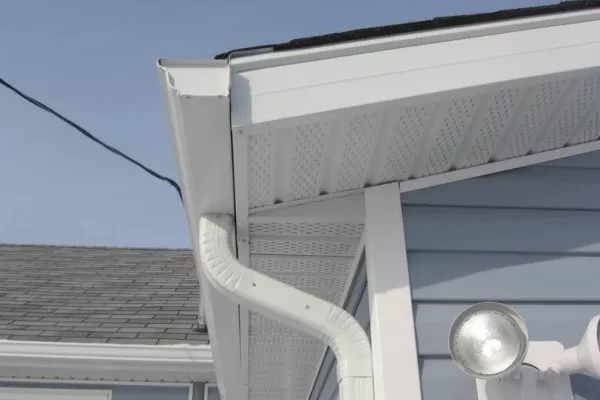
Eavestroughs, Siding And Soffits
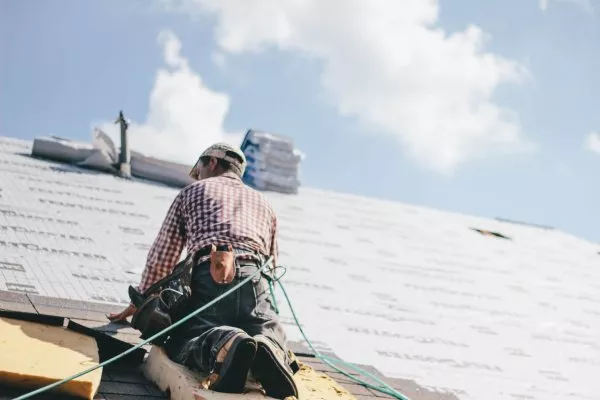
Emergency Roof Replacement
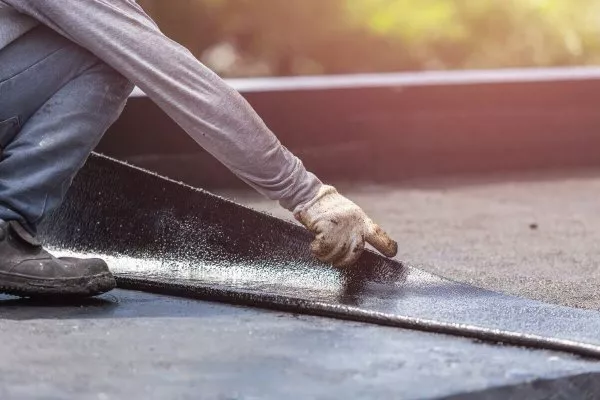
Flat Roof
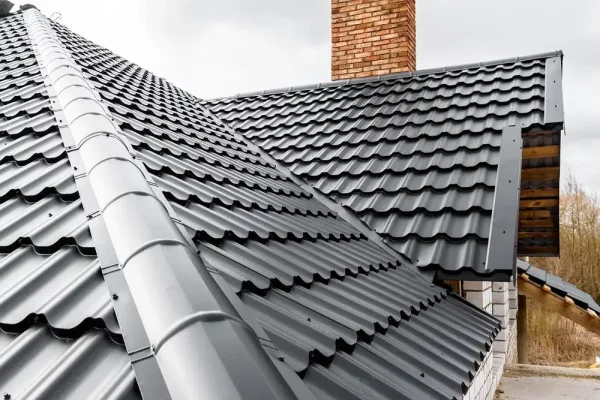
Metal Roof
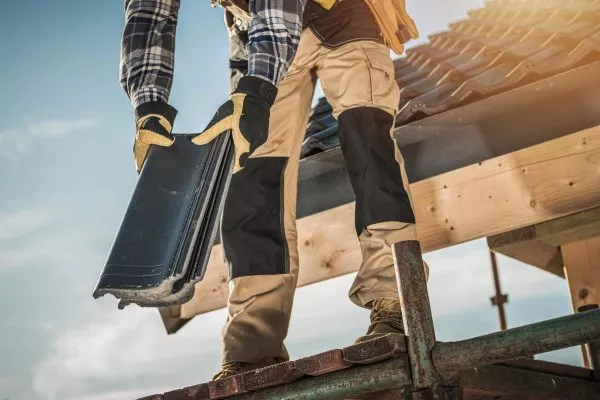
Missing Shingles
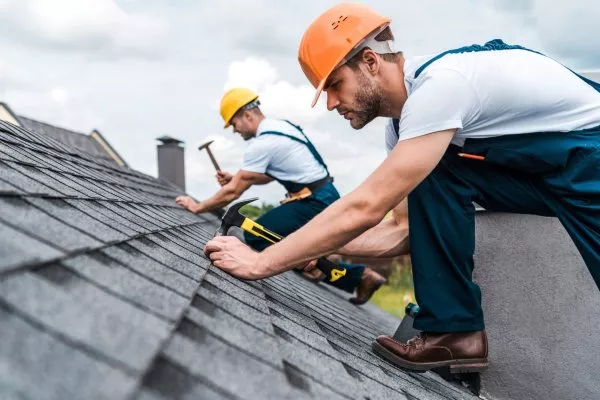
Roof Leaks Repair
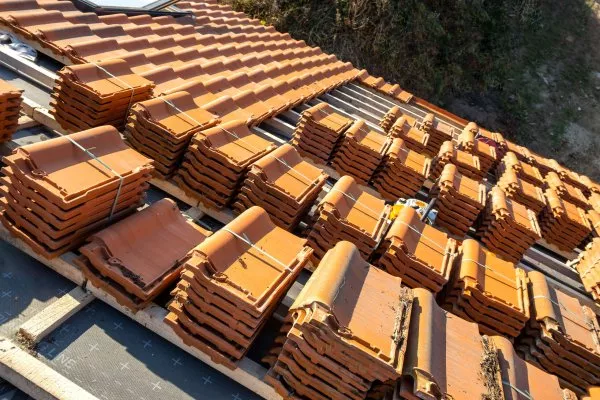
Roof Replacement
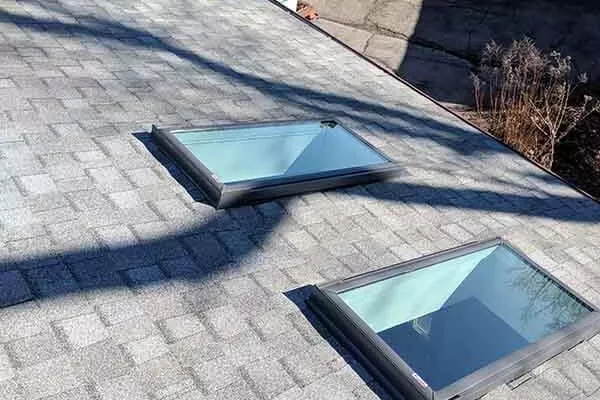
Skylights & Sun Tunnels

Animal Damage Roof Replacement
Client TestimonialS


Fully Licensed and Insured







FAQs
How often should I replace my roof?
The average roof lasts 20 to 25 years, but this depends on the material, the climate and how well the roof is maintained. Metal, slate and tile roofs last much longer than asphalt shingles.
How do I know if my roof needs to be replaced?
Common signs include curling or missing shingles, granules collecting in the gutters, leaks or stains on the ceiling, a sagging roof deck, and a roof that is near the end of its expected lifespan. A professional inspection can confirm whether repair or replacement makes more sense.
How long do asphalt shingles last?
Asphalt shingles typically last 15 to 30 years, and 20 to 25 years is common. Freeze-thaw cycles, heavy snow and poor ventilation can shorten that lifespan in Ontario.
Which roofing material lasts the longest?
Slate lasts the longest, often more than 100 years. Clay and concrete tiles can last 50 to 100 years, and metal roofs generally last 40 to 70 years. Asphalt shingles have the shortest lifespan but are the most affordable.
Can I make my roof last longer?
Yes. Have the roof inspected regularly, keep gutters clear, remove debris and moss, make sure the attic is properly ventilated, and repair small problems quickly. Good installation also has a big effect on how long a roof lasts.
Should I repair or replace my roof?
A few damaged shingles or a small, isolated leak can usually be repaired. If the roof is old, has leaks in several places, or shows widespread curling and bare spots, replacement is usually the better long-term choice.
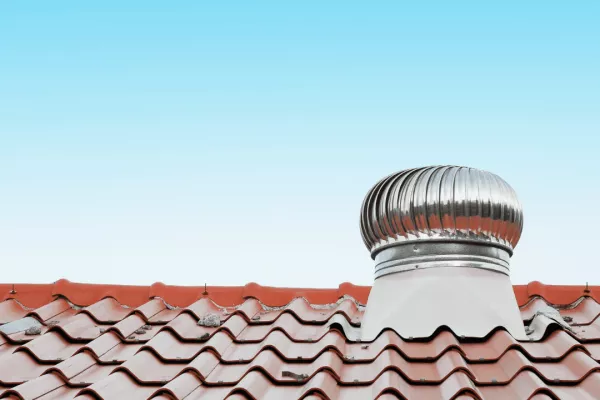
Does poor attic ventilation shorten the life of a roof?
Yes. Poor ventilation traps heat and moisture in the attic, which can cause shingles to degrade early and lead to leaks. Proper ventilation helps control temperature and humidity and prolongs the life of the roof.