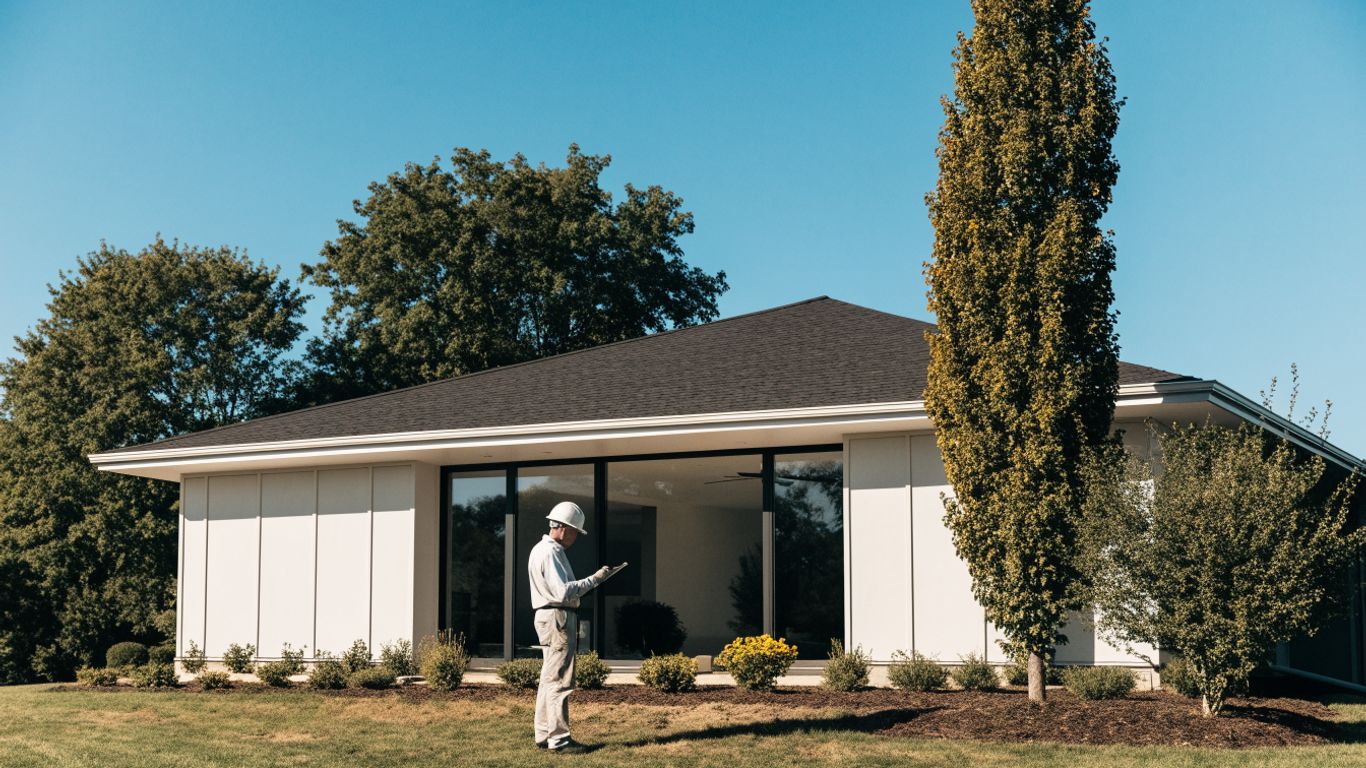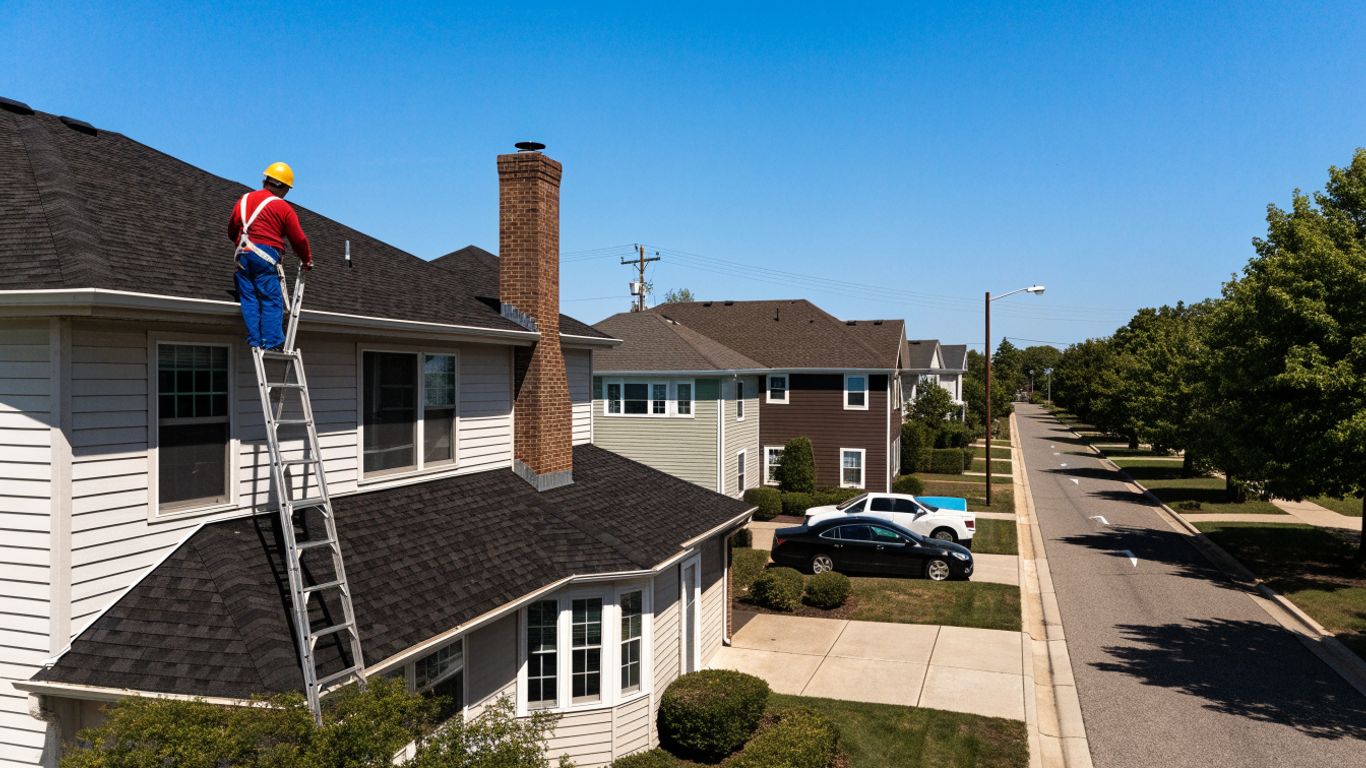
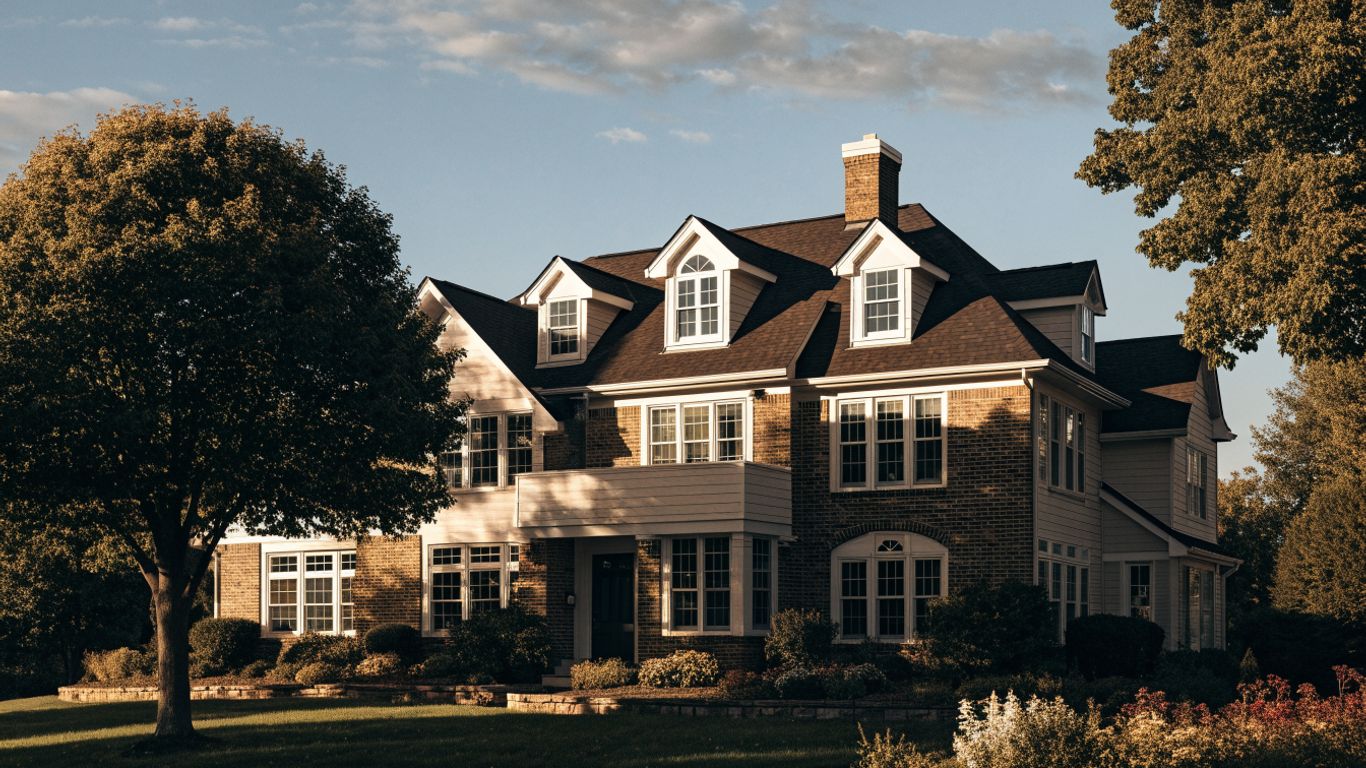
Roofing for The Kingsway and Humber Valley homes asks more of a contractor than a standard re-roof. These properties tend to have larger, more detailed rooflines, established landscaping, and architecture that a new roof has to respect as well as protect. Our Above It All Roofing Etobicoke team works with homeowners who want the right material, clean detailing, and a written plan that covers everything before the first bundle of shingles arrives.
Key Takeaways
A higher-end roof project is about more than choosing an attractive material. Architecture, roof details, the property setting, and long-term care all shape the right approach:
- A complex roofline calls for careful attention to valleys, dormers, chimneys, and transitions.
- Slate, cedar, premium asphalt, and metal each bring different visual and maintenance considerations.
- Match the roof’s colour and profile to the home’s architecture and surrounding landscape.
- A written scope should explain the work, sequencing, site protection, and warranty terms.
- Regular inspections help you catch developing issues and decide whether repair or replacement makes sense.
What Makes Roofing on Kingsway and Humber Valley Homes Different
These homes often need more planning than a simple, uninterrupted roof. Established properties can have several roof sections, mature landscaping, and details that were repaired or changed over the years. The goal is to protect the building while respecting its character and the conditions around it.
Larger, Custom Rooflines With More Details
A home with intersecting slopes, dormers, skylights, chimneys, and additions has more transitions where water must be directed safely. Each change in plane affects how the roof is installed and how its parts meet, so it helps to understand the parts of a pitched roof before you compare proposals. Look at the system as a whole, including its shape, drainage paths, penetrations, and existing condition, so you do not treat one visible symptom as the only issue.
Established Streets and Ravine-Edge Settings
Tall trees and ravine terrain shape the setting, and they also make site-specific observation worthwhile. Leaves collect in eavestroughs and valleys, branches rub against roofing, and shade changes how quickly damp areas dry. Our look at how the Humber corridor affects roofs explains those conditions in detail. Then consider how your own lot, exposure, and tree cover affect roof access and upkeep, because a good assessment accounts for the property you have, not just the neighbourhood name.
Roofing Materials That Suit Higher-End Homes
The right material should feel at home on the building and suit the demands of its roof shape. Your decision may involve appearance, expected maintenance, installation requirements, and how easily the material integrates with existing details. For higher-end home roofing in Etobicoke, compare complete systems and workmanship, not just a sample or a price per square foot.
Slate and Cedar: Character and Care
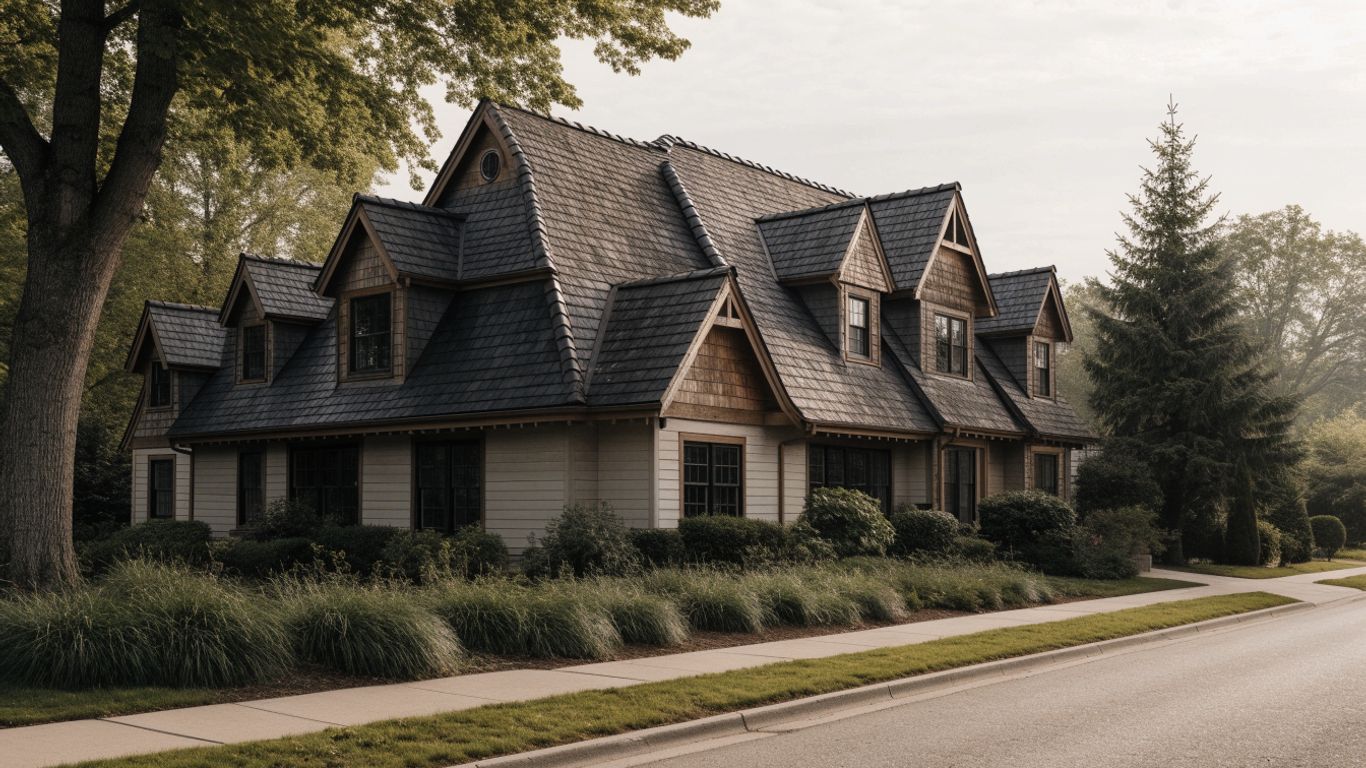
Slate and cedar suit homes with traditional or distinctive character, but appearance is only one part of the decision. The existing roof structure, the condition of surrounding components, and the care you are prepared to provide all matter. If cedar is on your shortlist, it helps to know how long a cedar shake roof lasts and what upkeep it needs. Ask how the proposed material will be installed at edges and transitions, and what ongoing inspection looks like. A material that suits the facade still needs a suitable roof assembly beneath it.
Designer and Premium Asphalt Shingles
Premium asphalt shingles come in a wide range of profiles and colours, which makes them a flexible option when you want to refine a roof’s look without changing its overall character. Many homeowners are surprised by the benefits of high-quality roofing materials once they compare warranties and wear over time. Compare samples outdoors if you can, since light and the surrounding masonry or trim shift how a colour reads. The table below is a starting point for discussing trade-offs, and a closer look at cedar, slate, and asphalt compared can help you narrow the list.
| Material choice | Character to consider | Planning question |
|---|---|---|
| Premium asphalt shingles | Varied profiles and colour choices | Which profile best suits the home’s roofline? |
| Slate | Distinctive, traditional appearance | Is the roof structure suitable for the proposed system? |
| Cedar | Natural texture and variation | What inspection and care will it require? |
| Metal roofing | Crisp lines and varied panel styles | How will it meet adjoining materials and details? |
Use the comparison to narrow the field, then evaluate full product specifications and the contractor’s installation plan. A good sample cannot make up for poorly planned edges, valleys, or penetrations, and the finished roof should look considered from the street and work as a coordinated assembly.
Metal Roofing and Mixed-Material Roofs
Metal roofing suits a range of architectural styles, and combining materials can set separate roof forms or features apart. Mixing materials needs deliberate transitions: adjoining surfaces must meet cleanly, shed water properly, and look balanced together. If you are weighing options, choosing the best roofing materials shows how metal compares with the alternatives. For Kingsway roofing projects with varied roof sections, ask to see how the proposed materials will meet at changes in slope and around prominent features, because the visual plan and the technical details should agree.
Detailing That Separates a Good Roof From a Great One
A roof’s performance depends on the details that connect its larger surfaces. Water has to move around chimneys, dormers, valleys, walls, and penetrations without finding an easy route beneath the covering. When you review a proposal, ask how these areas will be handled instead of focusing only on the field material.
Flashing at Chimneys, Dormers, and Valleys
Flashing is used where the roof meets a vertical surface or where roof planes converge, so its condition and installation deserve close attention. Chimneys, dormers, and valleys are common places to examine, especially if you have noticed staining or moisture indoors. A roofer should explain what will be replaced, what can stay, and how the transition will be integrated with the surrounding roof. Clear answers make it easier to tell a complete repair from a temporary patch.
Underlayment, Ice and Water Shield, and Ventilation
The layers beneath the visible covering protect the assembly, and ventilation controls how the attic is managed. A proper scope puts ice and water shield along the eaves and valleys, synthetic underlayment across the full deck, and ridge ventilation at the top. Ask which components are in the proposal and how the contractor assessed existing conditions. Those details are easy to overlook when a quote emphasizes colour, profile, or surface material, but they are central to the work.
When you review a proposal, make sure the listed layers and ventilation work are described plainly, not hidden behind a broad phrase such as “complete roof.” If the existing assembly has unusual features, ask how they will be evaluated before work begins.
Matching the Roof to Your Home’s Style and Character
Your roof covers a large part of the exterior, so its colour and profile change how the whole building reads. Look at the roof alongside brick, stone, siding, trim, windows, and any existing metalwork. A material that looks right on a small sample can feel quite different across several slopes, particularly where the home has dormers or prominent gables. Seeing finished work helps, and our recent roofing projects show how colours and profiles look on real homes.
Consider how the design appears from the street as well as from the garden and neighbouring viewpoints. On a home with several roof sections, a restrained palette helps varied shapes feel connected, while a carefully chosen contrast can clarify a distinct feature. If you are replacing only part of the roof, think about how new work will sit beside what remains and whether the difference will be noticeable.
Bring your preferences into the conversation early, but let the roof’s geometry and the installation details guide the final choice. Ask for samples or visual references so you can compare options against your actual exterior. The aim is not to make every home look alike. It is to choose a roof that works with the architecture and can be installed as a coherent system.
Planning a Complex Roof Project: Scope and Sequencing
A complicated roof project benefits from a clear plan before materials arrive. The order of removal, inspection, repairs, and installation affects how the work proceeds and how exposed areas are protected. Agreeing on the scope in advance gives you a better basis for discussing access, timing, cleanup, and any decisions that come up once the old materials are off.
Protecting Landscaping, Driveways, and Mature Trees
On a property with established landscaping, site protection is part of the project, not an afterthought. Discuss where materials will be delivered, how debris will be collected, and how workers will reach different parts of the roof. Agree on specific arrangements before work begins, particularly where trees, garden beds, paved areas, or narrow driveways limit access. A short planning list keeps the conversation focused:
- Identify access routes for workers, equipment, and material delivery.
- Discuss protection for garden beds, paved areas, and outdoor features.
- Review how debris will be contained and removed during the project.
- Confirm who will communicate changes if concealed conditions are found.
After you cover these points, ask the contractor to record the agreed arrangements in the project scope. That gives both sides a shared reference if the sequence or access needs to change.
What to Look for in a Roofing Contractor for a Higher-End Home
A contractor should be able to explain the proposed work in terms you understand. For a detailed roof, you need a conversation that covers the system, its transitions, and the practical realities of working on your property. Take time to compare the written scope and the communication style, not only the total estimate.
Credentials, Insurance, and Warranty Terms
Ask which credentials and insurance apply to the contractor and the work, and request documentation instead of relying on verbal assurances. Our crews hold Ontario’s mandatory Working at Heights certification and are covered by WSIB, and we are CertainTeed certified. Warranty terms deserve a careful read too: find out what is covered, who provides the coverage, and what conditions or exclusions apply. If a proposal includes both product and workmanship coverage, make sure you can tell them apart, and review our roofing warranty to see how we put it in writing. Feedback from past clients, such as the homeowner reviews and testimonials on our site, can also tell you how a contractor handles complex jobs.
A Written Scope That Leaves Nothing Vague
A useful scope describes the work areas, materials, key details, and cleanup expectations in specific terms. It should also explain how the contractor will handle changes if removal reveals concealed damage or an unexpected condition. Ask for any allowance, exclusion, or optional work to be identified clearly so you can compare estimates like for like. A precise document reduces confusion and gives you a sound reference throughout the project.
Maintaining a High-Value Roof Over the Long Term
Regular observation helps you catch small changes before they become larger repairs. From the ground, look for missing or shifted materials, visible damage near roof edges, and signs that eavestroughs are not draining as expected. If something looks different after a storm or a stretch of harsh weather, arrange a professional assessment instead of climbing onto the roof yourself. The benefits of roof maintenance add up over the life of a higher-value roof.
Keep a record of repairs, inspections, and material information, with photographs where useful. That history helps you see whether a problem is recurring, and it gives a contractor context when discussing future work. It is especially useful when a roof has several sections or has been updated at different times.
Maintenance needs vary with the material, roof design, shade, and surrounding trees. Keep eavestroughs and drainage paths in mind, and ask a qualified professional what inspection interval suits your roof. A consistent approach works better than waiting for a leak to force an urgent decision.
When Repair Is Enough and When to Plan a Replacement
A localized problem may be repairable when the surrounding roof and related components are in sound condition. The source of a leak is not always directly above the visible interior mark, so an assessment should trace the likely path and examine nearby details. If the cause is limited and the repair can be integrated properly, replacing the whole roof may not be necessary.
Replacement is worth discussing when problems are widespread, recurring, or tied to several parts of an aging system. The condition of the roof covering, underlayment, flashing, and other components helps clarify whether more repairs are practical. If your house is among the older homes in the area, see why older Etobicoke homes cost more to re-roof before you set a budget.
Ask for an explanation of what was inspected, what evidence supports the recommendation, and what risks remain with each option. A written comparison of repair and replacement helps you weigh near-term work against the condition of the larger system. The best choice fits the roof’s actual condition, your plans for the property, and the scope of work you are prepared to take on.
Conclusion
A roof that suits a Kingsway or Humber Valley home starts with a careful look at the architecture, materials, details, and setting. When you pair that assessment with a clear written scope and sensible maintenance, you can choose between repair, replacement, and the roofing system that best fits your home with confidence.
Book a Free Roof Inspection for Your Kingsway or Humber Valley Home
If you are planning roofing for a Kingsway or Humber Valley home, the first step is an inspection that looks at the whole roof, not just the surface. We will tell you honestly whether your roof has reliable years left, whether a targeted repair makes sense, or whether replacement is the better value, and we will put the scope in writing.
Book a free roofing inspection in Etobicoke or request a quote by calling 647-771-1554.
Frequently Asked Questions
What roofing materials work well on higher-end homes?
Slate, cedar, premium asphalt shingles, and metal can each suit different homes. The right option depends on the architecture, the existing roof assembly, maintenance expectations, and how the material is installed at transitions.
How often should I have my roof inspected?
It depends on the roof’s age, materials, design, and exposure. Ask a qualified roofer to recommend a schedule for your home, and book an assessment if you notice damage or signs of moisture.
What roof areas should I pay closest attention to?
Chimneys, dormers, valleys, roof edges, and places where different materials meet. These transitions need careful integration so water drains as intended.
Can I replace only part of my roof?
Sometimes a partial replacement or repair is appropriate, but it depends on the condition of the surrounding materials and how the sections connect. Have the whole relevant area assessed before deciding on a limited scope.
What should a roofing estimate include?
Look for a clear description of work areas, materials, details to be addressed, cleanup, exclusions, and how changes will be handled. Warranty information and site-protection arrangements should also be explained.