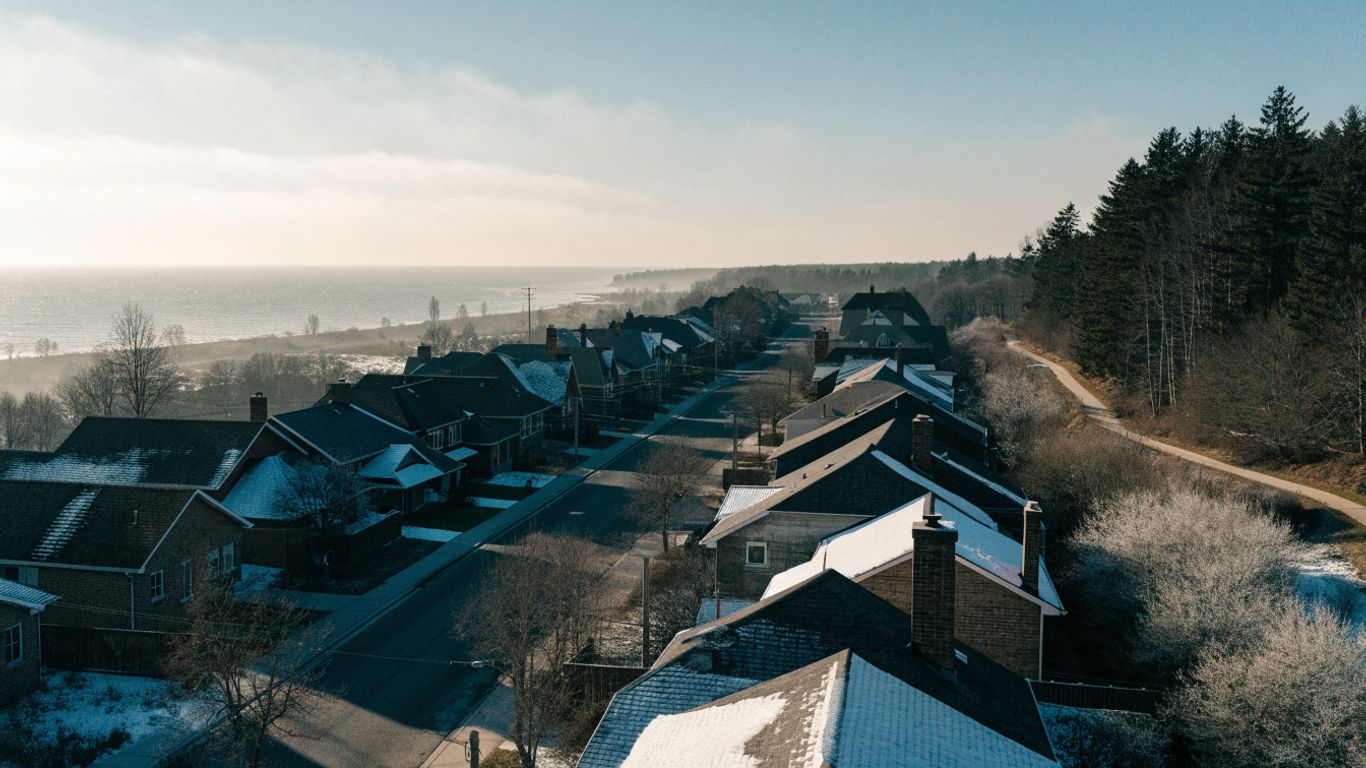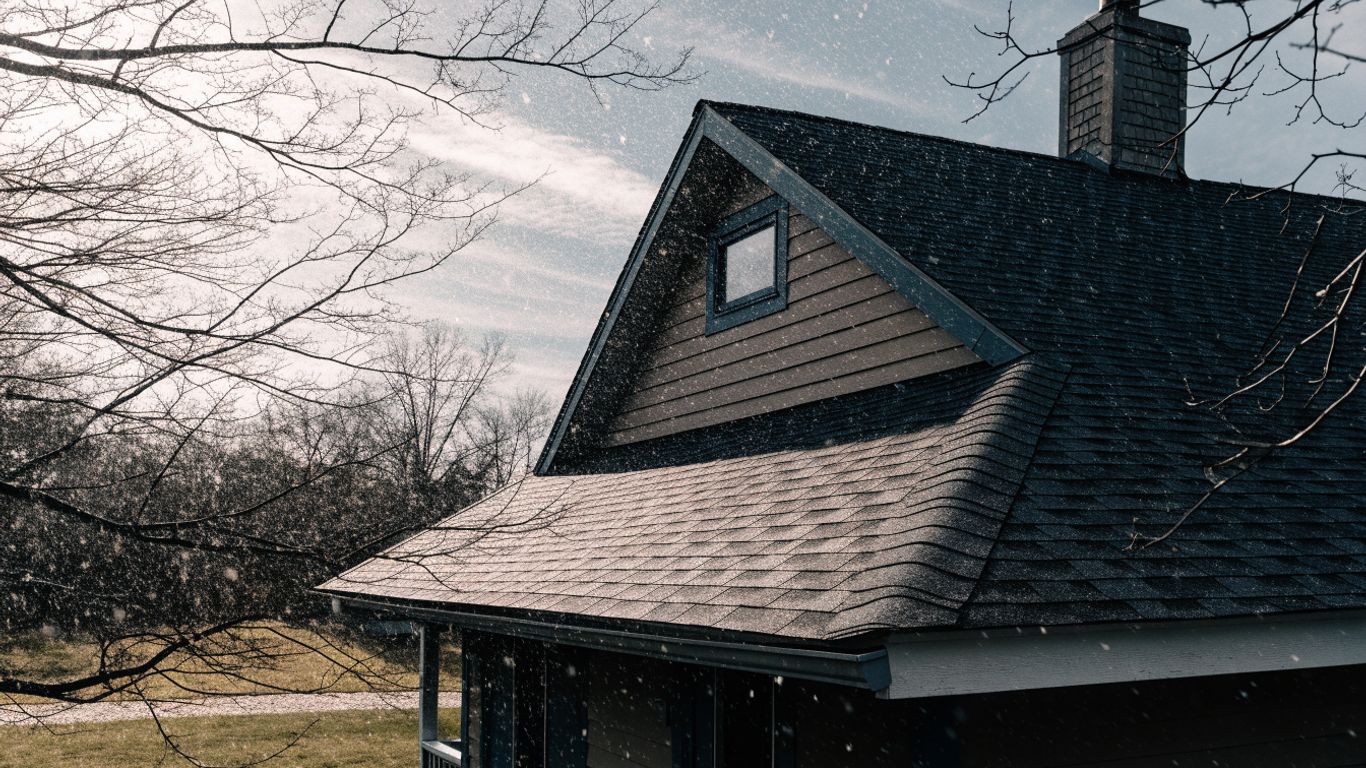
Oakville roof problems rarely come from a single cause. A heritage-area home in Old Oakville, a tree-covered lot near Bronte, and a newer house with a complex roofline each wear out a roof in different ways. We work on Oakville roofs from our North Service Road West office, and the same seven issues come up again and again: tree damage, valley leaks, aging shingles, winter ice, heritage rules, material choices on older homes, and the cost of replacement. This guide explains what each one looks like, what you can check safely from the ground, and when it is time to call a roofer.
Key Takeaways
Oakville’s mature trees, older homes, and winter weather put different demands on a roof. Keep these points in mind:
- Check for debris, damaged shingles, and water stains from the ground, without climbing onto the roof.
- Roof valleys and winter ice expose weak points in drainage and water protection.
- Heritage status may affect which roofing changes are appropriate or permitted.
- Compare materials against your home’s structure, appearance, and budget.
- Call a professional for active leaks, sagging, or damage you cannot safely assess.
Why Oakville Roofs Face Problems Other GTA Roofs Don’t
Oakville’s housing ranges from older properties with established landscaping to newer homes with different roof layouts and materials, so the common roof problems in Oakville change from one street to the next. A roof shaded by large trees needs different attention than one with open exposure, and homes closer to Lake Ontario see different wind and moisture than homes farther inland.
The seasons add their own stress. Wind, rain, snow, and repeated temperature swings wear on shingles, flashing, and drainage over time. Age and design matter too: complex rooflines have more joints and valleys to inspect, and older homes often carry repairs or additions from several different periods. If you are worried about Oakville roof damage, start by noting what you can see from the ground and from inside the house. Those notes make any later inspection faster and more focused, and they help us recommend the right roofing services in Oakville for your home, from a small repair to a full replacement.
Problem 1: Mature Trees and Falling Debris
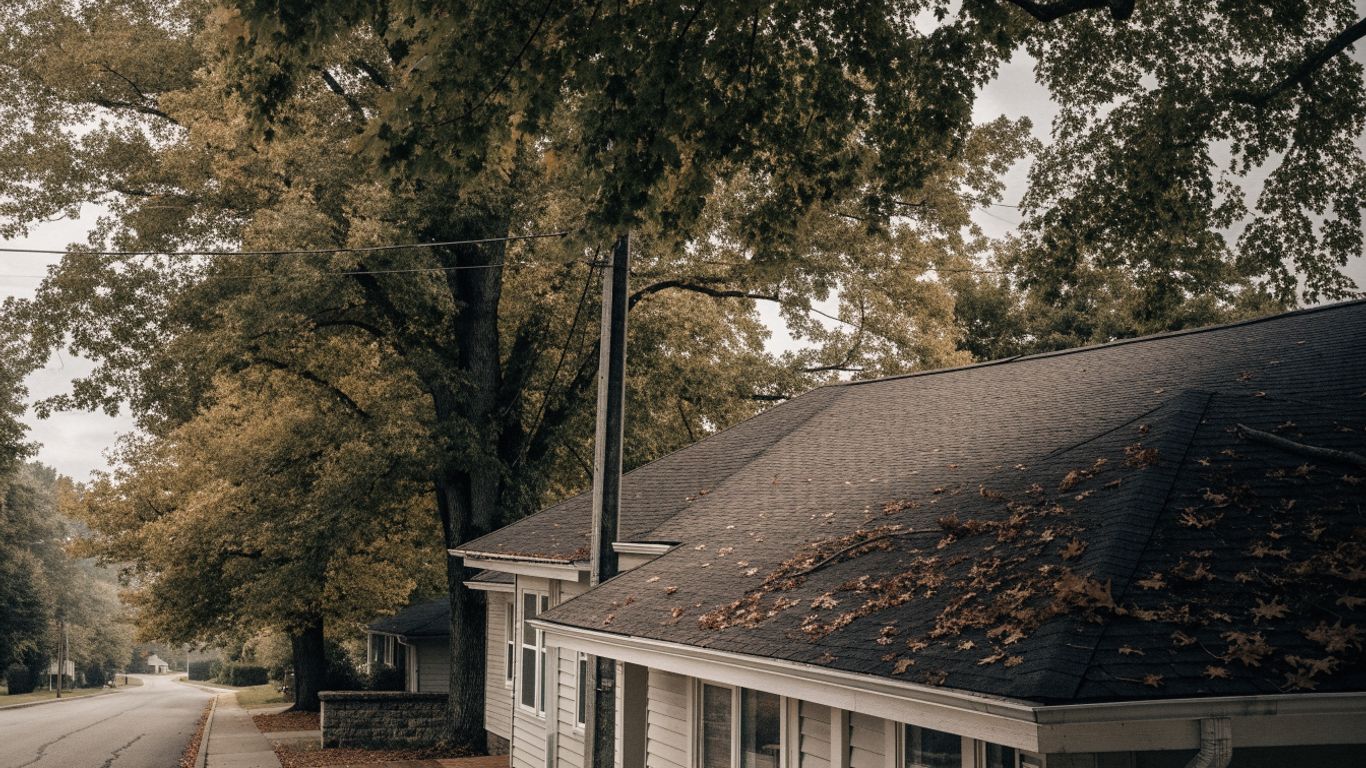
Mature trees add shade and character, but branches and leaves collect on the roof and in its drainage paths. When mature trees overhanging the roof drop debris or scrape the shingles, the damage is often slow and easy to miss. If your home sits among established trees, make a seasonal roof check part of your routine, especially after strong wind. Do not climb up to clear debris yourself.
Branches, Moss, and Clogged Eavestroughs
Overhanging branches scrape shingles, drop twigs, and keep roof surfaces shaded for longer stretches. Persistent shade and dampness encourage moss and algae, and loose debris settles in valleys and eavestroughs. The problem goes beyond appearance: blocked drainage lets water spill over the edge, where it can affect siding, soffits, and the foundation below.
A few observations from the ground tell you whether the trees need attention or the roof needs a closer look. Watch for these signs after a storm and during fall cleanup:
- Branches touching or hanging directly over the roof.
- Leaves or twigs visible in valleys or eavestroughs.
- Dark, damp-looking patches that stay on shaded roof areas.
- Shingle edges that look lifted, cracked, or missing.
None of these proves the roof has failed, but each is a good reason to arrange an assessment. Keep eavestroughs clear where you can do so safely, and have a qualified roofer evaluate the roof instead of walking on the shingles.
Problem 2: Leaks at Roof Valleys
A valley is where two roof slopes meet, so it takes runoff from both sides. During heavy rain or snowmelt that concentration of water makes roof valleys the first place to look when a leak appears. A ceiling stain near an exterior wall does not always show where the water entered, because water travels along framing before it surfaces indoors.
What Proper Valley Protection Looks Like
A valley should direct water down the roof and into the drainage system without letting it work under the roofing material. The right detail depends on the roof design and materials, so a roofer checks the valley surface, the nearby shingles, and the surrounding flashing for wear or gaps. Because water moves before it becomes visible, note when a stain appears and whether it grows after rain or a thaw. That timeline helps a roofer trace the source instead of treating only the visible symptom.
If water is entering the home, contain it safely indoors and arrange an assessment. Do not try to seal a wet roof from a ladder.
Problem 3: Aging Asphalt Shingles
Asphalt shingles are the most common roofing in the area, but no roof lasts forever. Most asphalt roofs last 20 to 25 years under normal conditions, and how long asphalt shingles last in Oakville depends on sun exposure, shade, ventilation, installation quality, and maintenance. A single damaged shingle may be repairable, while widespread wear points toward a larger decision.
Signs an Oakville Asphalt Roof Is Near the End of Its Life
From the ground, look for missing, curled, cracked, or uneven shingles and any change along the roofline. Granules collecting in the eavestroughs are worth noting, especially alongside other signs of wear. None of these alone gives a reliable age or diagnosis, so treat them as prompts for a closer inspection.
Inside, check for water stains or a musty smell in the attic, particularly after rain. A sagging area or a recurring leak calls for prompt professional attention. Several signs together, such as widespread shingle wear and repeated water entry, are more concerning than one isolated mark. If you are weighing repair against replacement, ask for an assessment that explains the roof as a whole, not just the most visible spot.
Problem 4: Winter Ice, Snow, and Freeze-Thaw Damage
Winter exposes weak points that stayed hidden in warmer months. Snow builds up unevenly, and meltwater refreezes as temperatures change. When water backs up near the roof edge, it can find a route beneath the roofing, particularly where drainage or the roof assembly is already compromised. This is the stage when many Oakville homeowner roof issues turn from a minor mark into a leak.
Why Underlayment and Ice and Water Shield Matter
Underlayment is a layer beneath the roof covering, and ice and water shield is a self-sealing membrane we install along the eaves and valleys, where water is most likely to back up. These layers do not replace sound flashing, clear drainage, or correct installation, but they add a second barrier when wind-driven water or ice gets past the shingles.
Look for recurring ice at the eaves, water marks near exterior walls, and leaks that appear during a thaw. Never chip ice off shingles or use open flames or harsh tools, since that damages the roof and puts you at risk. A roofer can check the roof and explain how its layers and ventilation relate to what you have noticed.
Problem 5: Heritage Rules in Bronte and Old Oakville
Some homes in Bronte and Old Oakville may be subject to heritage-related requirements, but the rules depend on the individual property and its location. Before you change roofing materials or make a visible alteration, find out whether your address falls under a heritage designation or district, and review the heritage roofing rules in Bronte and Old Oakville. Do not assume a familiar material is automatically acceptable on every home.
Requirements can affect the look of a replacement, including its material and colour. If you are planning work, confirm the process with the Town of Oakville before you order materials or schedule a crew. A contractor can help you identify the right questions, but the Town is where municipal requirements are verified. This matters most when older home roof problems in Oakville lead to a larger repair or a full replacement, so keep records of the existing roof and any past work, and discuss proposed changes with municipal staff early to avoid a rushed decision later.
Problem 6: Choosing the Right Material for an Older Home
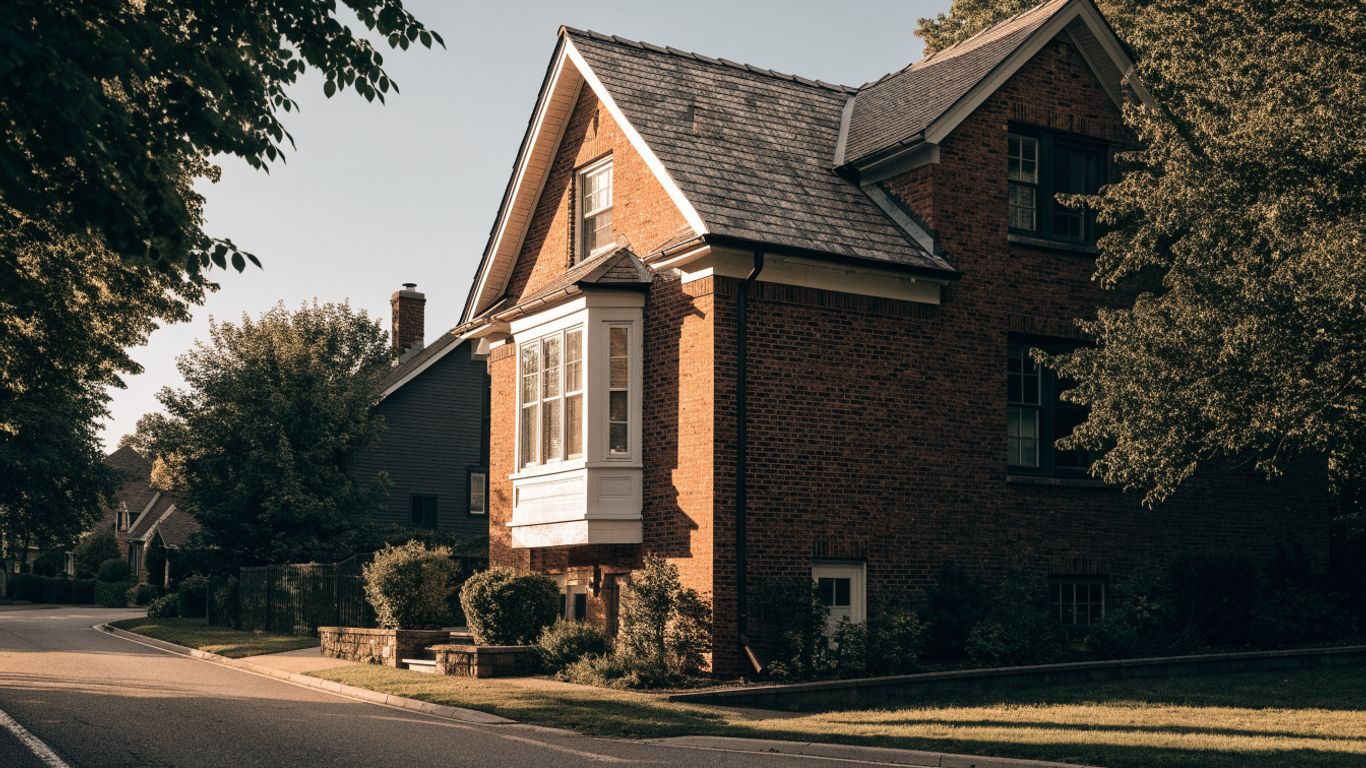
On an older home, the roofing material affects far more than curb appeal. The roof’s weight, pitch, structure, detailing, and the home’s existing character all matter, so confirm the structure can support a product and that the installation details suit the building before you commit.
Cedar, Slate, and Asphalt: How They Compare
Each material has practical and visual tradeoffs. The table gives you questions to ask, not a verdict, and a detailed look at how cedar, slate, and asphalt compare on older Oakville homes can help you narrow the list.
| Material | Common consideration | Useful question to ask |
|---|---|---|
| Asphalt shingles | Widely used, with many styles and price points | Which product and installation details suit this roof? |
| Cedar | A natural material that needs attention to upkeep and condition | What maintenance will this roof need over time? |
| Slate | Distinctive and potentially heavy, so it needs suitable support | Can the roof structure and detailing carry it? |
The right choice depends on the specific home, not just how the material looks. Ask a qualified roofer to explain weight, maintenance, installation requirements, and likely project costs for each option, and confirm heritage requirements before settling on a design if your home is in a designated area.
When Metal or a Flat Roof Section Makes Sense
Some roof designs suit metal roofing in Oakville, while a flat or low-slope section needs details built for water movement on that surface. Those choices should reflect the roof’s geometry and how it drains, not a preference for one material in isolation. If your house has a low-slope addition, ask how its drainage and membrane will be handled, and keep flat roof repair in mind when ponding water or membrane splits appear.
An older home often has several roof sections with different pitches and needs. A professional can assess how those sections meet and whether a proposed material suits each one, which is a better starting point than assuming a single system works across the whole house.
Problem 7: Budgeting for a Roof Replacement
Replacement costs depend on more than the visible roof area. Material, roof shape, access, underlying repairs, and project details all move the estimate, and you can see the factors behind what a roof replacement costs in Oakville before you start collecting quotes. When quotes differ, compare what each includes instead of looking only at the final number.
Ask whether the estimate covers removal of the old materials, disposal, flashing, underlayment, and any expected repairs to the roof deck. Clarify how unexpected conditions will be handled, and get the scope in writing so proposals can be compared on equal terms. Concealed damage may only show up once the old roofing comes off, which is another reason to ask for an explanation of any visible concerns instead of guessing from the driveway. When the issue is limited to one area, ask whether a repair is practical before committing to a full roof replacement in Oakville.
Which Problem Does Your Roof Have? A Quick Homeowner Checklist
A short, regular check helps you notice changes before they get harder to track. You do not need a ladder or a diagnosis. Keep notes on where you see a concern and whether it changes after rain, wind, or a thaw.
Ground-Level Checks
Walk around the property and look at the roof from a safe distance. Binoculars help, but avoid leaning ladders against eavestroughs or stepping onto the roof. Notice whether shingles look missing or uneven, whether branches touch the roof, and whether water spills over the eavestroughs. Check the ground for fragments that may have come off the roof, though not every piece will be a shingle. Photograph visible changes from the same spot so you can compare them over time.
Attic and Interior Checks
Inside, look for fresh stains on ceilings or walls, damp insulation, and moisture in accessible attic areas. Frost or dampness up there often points to poor attic airflow or a leak above. Use care around wiring and stored items, and never enter an unsafe or poorly lit space. A stain can have more than one cause, so record where it is and when it first appeared.
If a leak occurs, note whether it follows heavy rain, melting snow, or a windy period. That pattern helps a roofer even when the entry point is not obvious, and it is especially useful for flat or low-slope sections where water pools and runoff matters.
When to Call a Roofer and When to Keep Watching
A small, unchanged patch of discoloration on a shingle is not the same as active water entering the home. You can monitor minor observations from the ground and keep dated notes, particularly when there is no sign of interior moisture. Do not delay an assessment if a condition is spreading or the roofline appears to sag.
Call a qualified roofer when you find repeated leaks, missing or damaged shingles across a broad area, visible flashing problems, or signs of water in the attic. If water is entering near electrical equipment or a ceiling is bulging, keep people away from the area and get urgent help. When you are unsure whether a concern can wait, describe what you saw to the Above It All Roofing team instead of climbing up to investigate, and we will tell you whether it needs attention now or can be monitored. A useful assessment explains what was found, what needs attention, and whether the issue can be monitored, which gives you a clear basis for deciding between repair, replacement, or another inspection.
Conclusion
Oakville’s mature trees, changing seasons, and mix of older and newer homes create different roof concerns from one property to the next. Check safely from the ground, keep dated notes and photos, and get professional help when signs point to active damage. Catching these Oakville roof problems early gives you time to choose between a repair and a replacement on your own schedule, before winter limits your options.
Frequently Asked Questions
What are the most common roof problems in Oakville?
The most common problems are damage from mature trees, leaks at roof valleys, aging asphalt shingles, and winter ice and freeze-thaw wear. Older areas such as Bronte and Old Oakville add heritage considerations. Checking for these before winter helps you decide between a repair and a replacement.
Can mature trees damage a roof in Oakville?
Yes. Branches scrape shingles and drop debris, and leaves and twigs clog eavestroughs, so water spills at the roof edge. Shaded slopes also stay damp longer. Trimming overhanging branches and keeping drainage clear helps, though a roofer should assess any damage you find.
How long do asphalt shingle roofs last in Oakville?
Asphalt shingles typically last 20 to 25 years under normal conditions in this region. Installation quality, attic ventilation, tree shade, and maintenance can shorten or extend that range. Treat age as a reason to inspect more closely, not as a fixed deadline.
Why do roof valleys leak?
Valleys carry runoff from two slopes, so worn shingles, damaged flashing, or missing protective layers let water in there first, and debris buildup makes it worse. A ceiling stain often traces back to a valley, so ask a roofer to check it rather than sealing it yourself.
Do heritage rules affect re-roofing in Bronte and Old Oakville?
They can, depending on the property and its designation. Homes in heritage areas may face rules on materials and appearance, so confirm the requirements with the Town of Oakville before you choose a roof. A roofer who knows the area can help you match the look while meeting current performance needs.