
Winter can be beautiful, but it also brings potential problems for homeowners. One of those tricky issues is ice damming on roofs. You might see icicles hanging around your gutters and think it’s just a winter decoration, but it can actually lead to some serious damage inside your home. This guide will help you understand what causes ice dams, how to spot them, and what you can do to stop them before they become a big, expensive headache. We’ll cover everything from checking your attic to knowing when it’s time to call in the pros.
What is Ice Damming and Why is it a Problem?
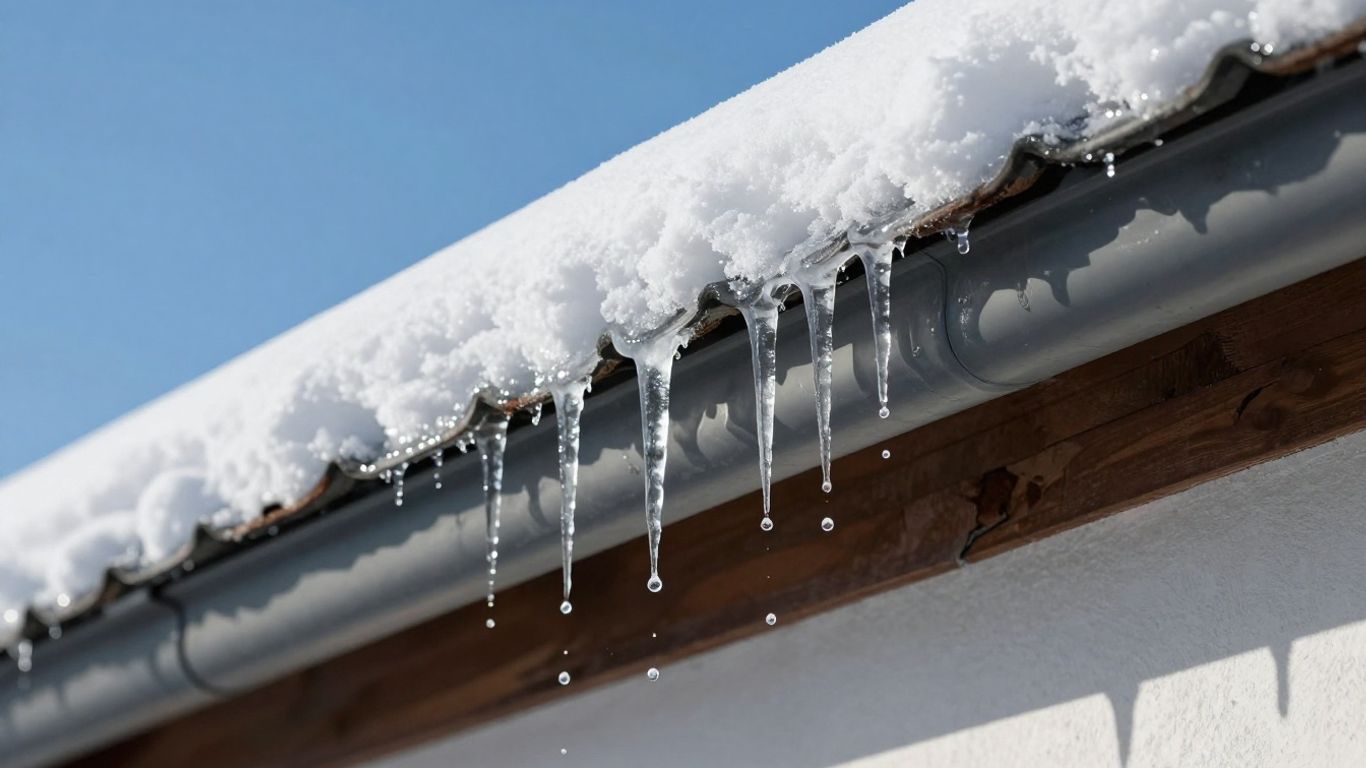
So, you’ve probably seen those icicles hanging off the edge of your roof, looking all pretty in the winter. But sometimes, those icicles are a sign of something much more serious: an ice dam. Basically, an ice dam is a ridge of ice that forms along the edge of your roof. It’s not just a little bit of ice, either; it can get pretty thick. And when it does, it creates a barrier. This barrier stops melting snow from draining off your roof like it’s supposed to.
How to Prevent Ice Damming on Roofs
Ice dams are one of the causes of ice dams in winter that homeowners often deal with. They happen when your roof gets warmer than the edges, causing snow to melt and then refreeze. This cycle repeats, building up that icy ridge. The real problem starts when that backed-up water can’t go anywhere else but under your shingles and into your house. That’s when you start seeing water stains on your ceiling or, even worse, mold and structural damage.
- Uneven Roof Temperatures: Heat escaping from your home warms the roof deck. This melts snow near the peak, but the eaves stay cold and refreeze the water.
- Blocked Drainage: The ice ridge prevents meltwater from reaching the gutters and downspouts.
- Water Intrusion: Trapped water seeps under shingles and into your attic and walls.
The Damage Ice Dams Can Cause
When water gets into your home, it doesn’t just stop at the ceiling. It can soak into your insulation, making it less effective and leading to higher heating bills. It can warp your wooden beams, damage drywall, and even ruin paint jobs. In really bad cases, it can lead to mold growth, which is a whole other headache. Plus, dealing with the repairs can get really expensive, not to mention the hassle of living in a house that’s being slowly damaged from the inside out.
Identifying the Signs of Ice Damming

So, how do you know if you’ve got an ice dam lurking on your roof? It’s not always obvious at first glance, but there are definitely some tell-tale signs to watch out for. Paying attention to these early indicators can save you a lot of headaches and expensive repairs down the line.
Visual Clues on Your Roof
First off, take a look at your roof from the ground, if you can do so safely. Are there long icicles hanging down from your gutters or the edge of your roof? While a few icicles might not mean much, a whole row of them, especially if they’re thick, is a pretty strong sign that water isn’t draining properly. You might also notice a ridge of ice building up right at the edge of your roof, almost like a little dam. Sometimes, you can even see patches of snow that seem to melt faster near the peak of your roof while the edges stay covered in snow. This uneven melting is a classic sign that heat is escaping your attic and warming the roof deck unevenly.
Another thing to check, if it’s safe, is your gutters. Are they packed with ice? Clogged gutters are a major contributor to ice dam formation because they can’t drain the meltwater away. Thick ice buildup in gutters during winter is a clear warning sign of potential ice damming. Clogged gutters prevent proper drainage of melting snow, increasing the risk. You might also see ice forming behind downspouts, which is another indication of a blockage.
Signs Inside Your Home
Sometimes, the first time you’ll know about an ice dam is when you see damage inside your house. Keep an eye out for any water stains on your ceiling, especially on the top floor or in rooms directly under the attic. These stains can start small and brown, but can grow if the leak continues. You might also notice paint bubbling or peeling on your ceiling or walls, which is often caused by moisture getting trapped behind the surface. If you feel unusually drafty rooms right under the roofline, that could be a sign that warm, moist air is escaping your living space and contributing to the problem. It’s like your house is giving you a little heads-up that something’s not quite right up there.
Here are some common signs to look for inside:
- Water stains on ceilings or walls
- Peeling or bubbling paint
- Musty odors from dampness
- Damp spots on insulation in the attic
- Mold or mildew growth
Preventing Ice Dams Before They Start
So, you want to stop ice dams before they even think about showing up? Smart move. Dealing with them after they form is a pain, and honestly, it can get pretty expensive. The real trick to preventing ice buildup on house roof structures is all about keeping your roof deck cold. Think of it like this: if the roof stays the same temperature as the outside air, snow just sits there and eventually melts away normally, instead of melting and refreezing into that nasty dam.
Improving Attic Insulation
This is probably the biggest one. Your house is warm, right? Well, that heat wants to escape, and a lot of it goes up into the attic. When that warm air hits the underside of your roof, it melts the snow. We need to stop that heat transfer. Good attic insulation acts like a blanket, keeping your living space’s warmth downstairs where it belongs. Before you just dump more insulation in, though, it’s super important to seal up any air leaks first. Think about where warm air might sneak through: around light fixtures, where pipes or wires go through the ceiling, and especially around your attic hatch or pull-down stairs. Sealing these spots is like plugging the holes in a leaky boat – it makes a huge difference.
Ensuring Proper Attic Ventilation
This goes hand-in-hand with insulation. Even with great insulation, you need a way for air to move through your attic. Proper ventilation means having vents at the bottom of your roof (like soffit vents) and at the top (like ridge vents). This creates a natural airflow that keeps the attic cool and dry. It helps to keep the roof deck temperature consistent with the outside air, which is key to preventing those melt-freeze cycles. It’s not just about keeping things cool; it’s about managing moisture too. You don’t want any damp air hanging around up there, because that can lead to other problems.
Sealing Air Leaks
We touched on this with insulation, but it’s worth its own point because it’s so important. Air leaks are sneaky. They can be small gaps around plumbing vents, electrical wires, or even where the chimney meets the roof. These little openings let warm, moist air from your house escape into the attic. This warm air melts snow on the roof, and then the meltwater refreezes at the colder eaves, creating the ice dam. Sealing these leaks is a pretty straightforward way to tackle the root cause of many ice dam issues. It’s a bit like doing preventative maintenance on your car – a little effort now saves a lot of headaches later. If you’re unsure how to tackle these, it might be worth reviewing DIY roofing mistakes to get a better idea of what to avoid.
What to Do If You Have Ice Dams
You’ve noticed some suspicious icicles or a water stain on your ceiling. An ice dam has likely formed. Don’t panic, but don’t ignore it either. Ignoring an ice dam can lead to costly roof ice-damage repairs later, not to mention potential damage to your home’s interior.
When you’re faced with an ice dam, the first thing to remember is that trying to chip away at the ice yourself is a bad idea. You could easily damage your shingles or gutters, worsening the problem. Using salt or harsh chemicals isn’t much better, as they can corrode your gutters and stain your siding. High-pressure washers are also a no-go; they can force water under your shingles.
Instead, here’s a safer approach:
- Clear the Snow: If it’s safe, use a roof rake to gently remove snow from the lower section of your roof, especially near the eaves. This helps reduce the amount of snow that melts and refreezes, the root cause of snow buildup on the roof. You can find roof rakes at most hardware stores. Use a roof rake to clear snow from the lower portion of your roof.
- Create Channels: Sometimes, carefully using a hose with warm (not boiling) water to create a channel through the ice dam can help meltwater drain. Be cautious with this method; you don’t want to create additional problems.
- Consider Heat Cables: For persistent problem areas, temporarily installing electric heat cables along the roof edge can help melt channels through the ice. These are usually short-term fixes, not permanent solutions.
If the ice dam is large, you’re uncomfortable performing any of these steps, or you suspect water has already entered your home, it’s time to call in the pros. They use specialized tools, such as low-pressure steam systems, to safely melt ice without damaging your roof. They can also assess the extent of any damage and recommend the best course for roof ice damage repair.
When to Call a Professional
Look, sometimes you just gotta know when to throw in the towel and call in the cavalry. If you’ve tried the basic stuff like clearing snow off your roof with a rake and you’re still seeing ice dams forming, or worse, you’re noticing water stains inside your house, it’s probably time to bring in the pros. Trying to chip away at ice dams yourself with a hammer or salt can actually cause more damage than the ice dam itself. Seriously, you can wreck your shingles or even void your roof’s warranty.
Here’s when it’s a good idea to pick up the phone:
- You see water actively dripping inside your home, especially on the top floor or near light fixtures.
- The ice dams are massive, covering a large portion of your roof edge, and you can’t safely reach them.
- You’ve tried basic prevention methods, but the problem keeps coming back year after year.
- You’re uncomfortable or unsure about how to safely remove the ice without damaging your roof.
Professionals have specialized tools, like low-pressure steam systems, that can melt the ice safely without harming your shingles. They can also help you figure out why the ice dams are forming in the first place, which usually comes down to insulation and ventilation issues in your attic. Getting it fixed right the first time will save you a headache and likely a lot of money down the road.
When you notice signs that your roof might be in trouble, it’s smart to get help. Don’t wait until a small issue becomes a big problem. If you see leaks, missing shingles, or damage after a storm, it’s time to think about calling an expert. For reliable roof care and peace of mind, visit our website to learn more and schedule a check-up.
Wrapping Up: Keeping Your Home Ice Dam Free
So, we’ve talked a lot about ice dams, how they sneak up on you, and the damage they can cause. It really boils down to keeping your roof cold and letting water drain like it’s supposed to. That means checking your attic insulation, making sure air can move around properly up there, and sealing up any little spots where warm air might be escaping. While it might seem like a hassle, taking these steps now can save you a ton of headaches and money down the road. Don’t wait until you see those tell-tale ceiling stains or icicles hanging around. A little bit of prevention goes a long way in keeping your home safe and dry all winter long.
Frequently Asked Questions
What exactly is an ice dam, and why is it such a big deal?
An ice dam is basically a ridge of ice that forms along the edge of your roof. It happens when heat escapes from your house into the attic, melting the snow on your roof. This melted water then runs down to the colder edge of the roof and freezes again. Over time, this ice builds up, creating a dam that traps more water. This trapped water can then seep under your shingles and into your home, causing leaks and damage.
What are the signs that I might have an ice dam?
You might see long icicles hanging from your gutters or the edge of your roof. Another big clue is seeing ice build up along the roof’s edge, especially behind the gutters. Inside your home, look for brown stains on your ceiling, especially on the top floor, or paint that’s bubbling. Sometimes, rooms directly under the attic might feel drafty even when windows are closed.
How can I stop ice dams from forming in the first place?
The main goal is to keep your roof cold, just like the outside air. You can do this by making sure your attic is well-insulated to stop heat from escaping your house. Also, good attic ventilation is key – it helps keep the air moving and the roof temperature even. Finally, sealing up any small gaps or cracks where warm air can sneak into the attic is super important.
What’s the safest way to get rid of an ice dam if I already have one?
It’s really important not to try and chip away at the ice with tools like hammers or shovels, as this can seriously damage your roof shingles. Using salt or harsh chemicals can also harm your roof and gutters. The best and safest method is usually low-pressure steam, which melts the ice gently without causing damage. If you have a big ice dam, it’s often best to call a professional.
Will my home insurance pay for ice dam damage?
It really depends on your insurance policy and your insurance company. Some policies might cover the damage caused by water leaking into your home, but many consider ice dams a maintenance issue and won’t cover it. Even if it is covered, there’s usually a deductible, and making a claim could affect your future insurance rates. It’s always a good idea to check your specific policy or talk to your insurance agent.
Are electric heat cables an effective solution for preventing ice dams?
Heat cables can help in specific problem spots by melting ice and snow, but they’re more like a temporary fix or a helper, not the main solution. They use electricity to keep the edges of your roof from freezing over. While they can prevent water from backing up, they don’t address the underlying causes of ice dams, such as poor insulation or ventilation. For long-term prevention, focusing on your attic’s insulation and airflow is much more effective.