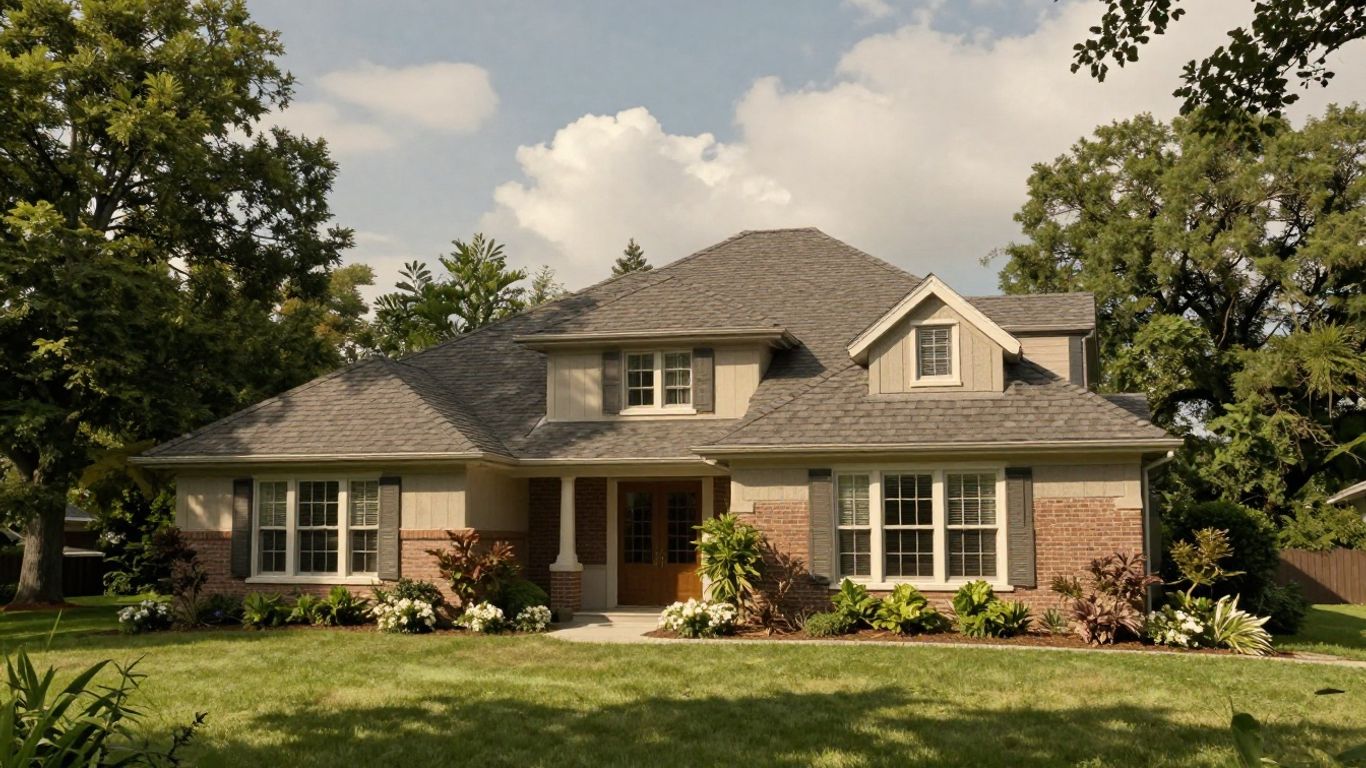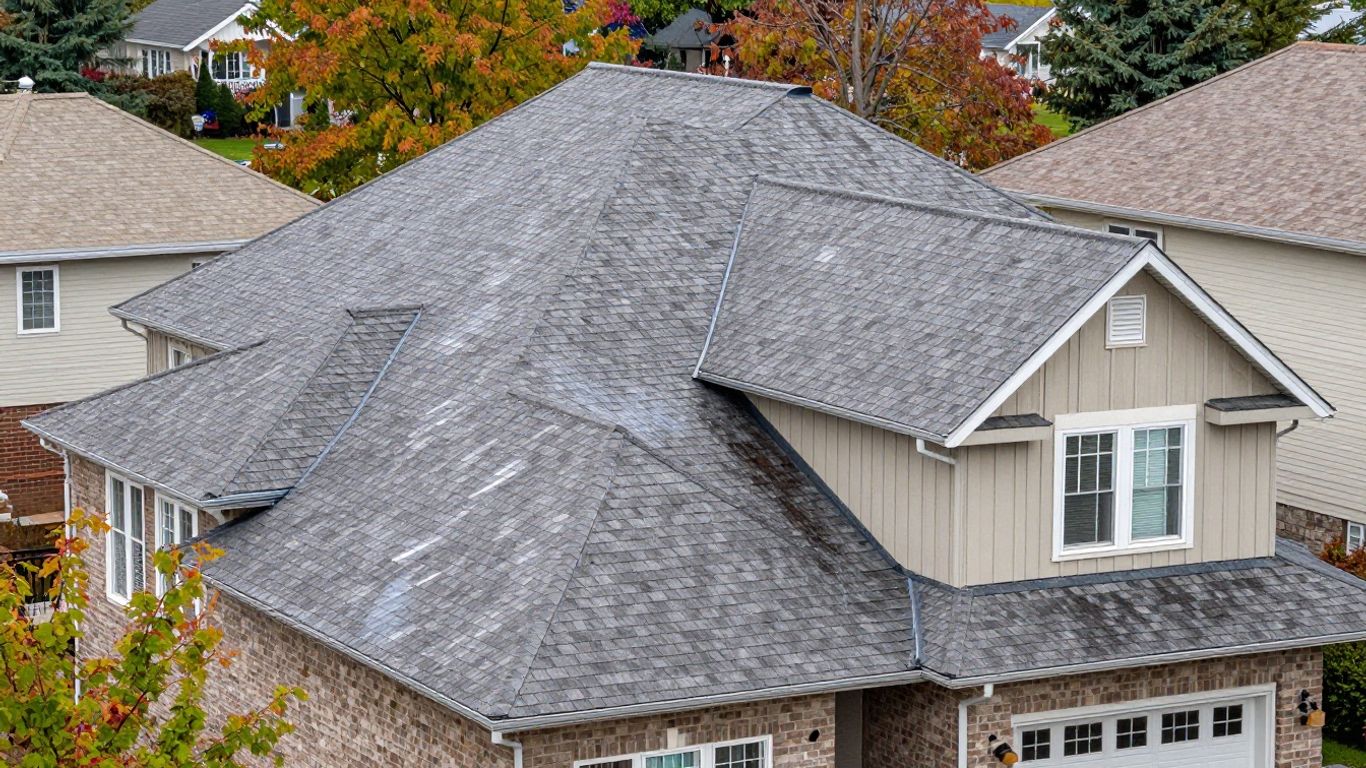
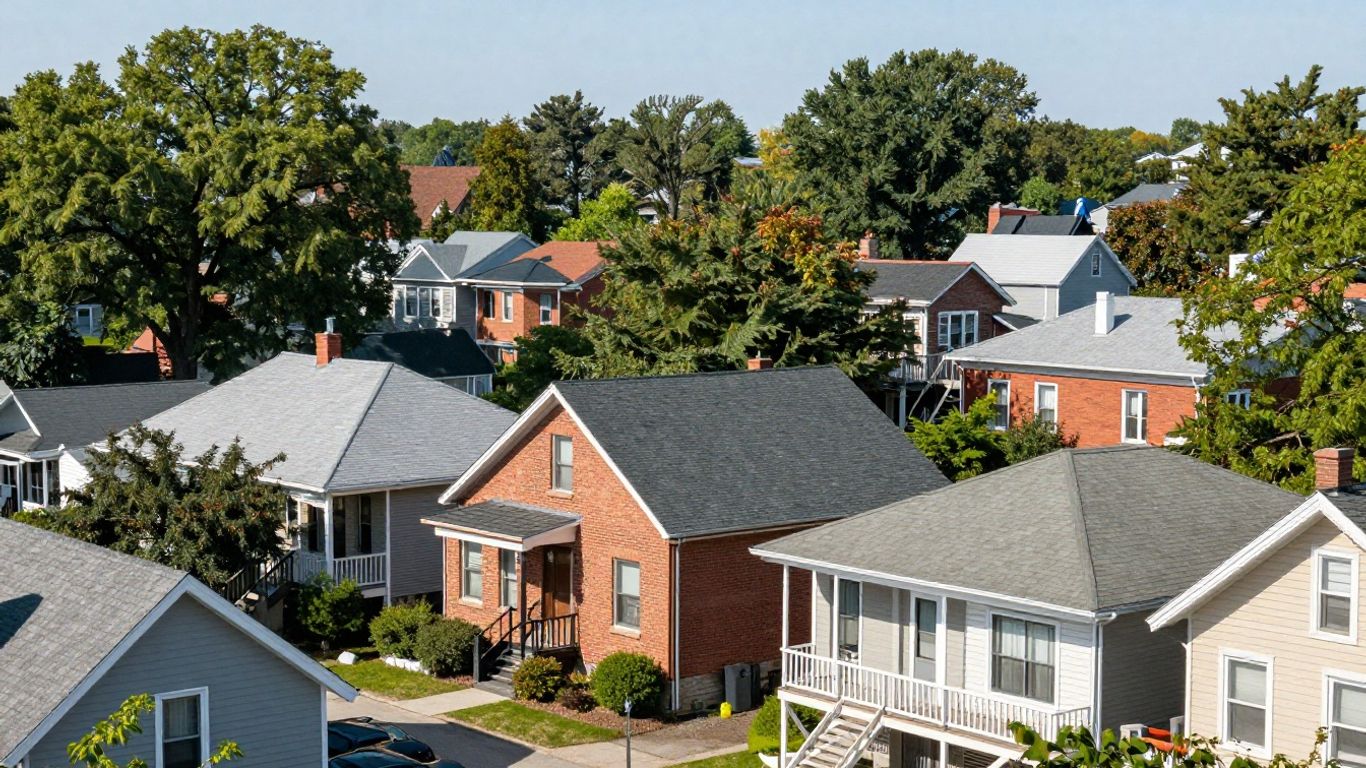
Replacing a roof on an older home in Old Oakville or Bronte is rarely as simple as choosing shingles and booking a crew. The rules depend on your property’s heritage status and on exactly what you plan to change. Getting that answer first protects you from stop-work orders, material re-orders, and delays. If you’d like a second set of eyes on an older roof before you start, you can book a free roof inspection and we’ll help you work out the right questions to ask the Town.
Key Takeaways
- Confirm whether your property is designated, listed, or within a heritage conservation district before choosing materials.
- Like-for-like work may be treated differently from changes to roofing material, colour, or roof shape.
- Heritage approval and a building permit are separate questions. Confirm both where relevant.
- Describe the full scope (skylights, vents, colour, roofline) when you ask the Town for guidance.
- Get approvals clarified before scheduling construction, not after.
Do Oakville Heritage Roofing Rules Apply to Your Home?
Oakville heritage roofing rules do not apply the same way to every older home. In Ontario, heritage protection comes from the Ontario Heritage Act, which lets municipalities protect individual properties and entire districts. Your home might be:
- Designated individually, which generally means changes to the property need the Town’s consent.
- Located in a Heritage Conservation District (HCD), where the district plan guides what changes need a heritage permit.
- Listed on the municipal heritage register, which flags the property’s potential value but works differently from designation.
An older-looking house is not automatically protected, and a newer-looking one can be. Confirm the status of your specific address with the Town before planning work.
Old Oakville Heritage Conservation District: What’s Covered
The Old Oakville HCD was established in 1981 and is one of the earliest heritage districts in Ontario. Town Council adopted an updated Plan and Guidelines on March 17, 2025, which replaced the older framework. The Town’s Old Oakville HCD plan update page explains how to find a property’s status and access the plan. The plan includes guidance on roof forms and addresses when a heritage permit is required and which work is exempt.
Downtown Oakville has its own separate commercial HCD, so make sure you’re checking the right district. Contact the Town before ordering materials or setting a start date, and describe the full scope, including any change to the roofline or visible features. Don’t rely on a neighbour’s experience as a substitute for address-specific guidance. We’ve completed roof replacements across Old Oakville, and no two heritage files have been identical.
Bronte Heritage Homes: Designated vs. Listed Properties
Bronte’s older streets can look similar to Old Oakville, but the protection is different. We’re not aware of a heritage conservation district covering Bronte village. Bronte homes are typically protected, if at all, as individually designated or listed properties, and the Town continues to designate individual Bronte properties. For Bronte heritage home roofing in Ontario, the key step is verifying the status of the specific home. A designated property usually needs Town consent for alterations. A listed property generally has fewer day-to-day restrictions, but its status can change, so confirm before you proceed.
When Heritage District Roof Replacement in Oakville Needs a Permit
Under the Ontario Heritage Act, altering a designated property generally requires the owner to get the municipality’s consent. In a heritage conservation district, alterations are governed by a heritage permit under the district plan, and plans often exempt certain routine work. Which category your roof falls into depends on your property’s status, the district plan, and the details of the work. Always check before construction begins, and ask separately whether you also need a building permit.
Published approval notices in the Ontario Heritage Act Register give a sense of how the Town handles roofs. They include approvals for replacing a roof with asphalt shingles coloured to match the original cedar, and for replacing a cedar roof with a composite cedar-style product on a Town-owned heritage building. The notices show that approvals carry an expiry date and that completed work must be photographed for Heritage Planning staff. Your property’s conditions will be specific to you, but plan for both.
Like-for-Like Replacement vs. Changing Materials, Colour, or Roof Shape
Replacing worn roofing with a similar material while keeping the existing roof form may be viewed differently from changing the material, colour, profile, or shape. That doesn’t guarantee an exemption. One practical example from older homes: roofs originally clad in cedar are often built over spaced boards, while asphalt shingles need a continuous deck. If that means adding sheathing, tell the Town what the finished roof will look like and what changes underneath.
To make your inquiry specific, gather:
- The property address and any heritage designation or district information you already have.
- The current roofing material and the material you’re considering.
- Any planned change to colour, roof shape, dormers, skylights, or other visible features.
- Photos of the roof and a short description of the contractor’s scope.
With this in hand, ask the Town which review or application route applies and whether drawings or supporting documents are needed.
How the Heritage Permit Process Works (and How It Fits With a Building Permit)
Start by contacting the Town with your address and a description of the proposed work. The Town can confirm whether heritage approval applies and explain the steps for your property. If an application is required, ask what to submit and wait for approval before starting work.
Heritage approval and a building permit serve different purposes, and one does not replace the other. Re-shingling a roof with no structural changes often doesn’t need a building permit, but new skylights, framing changes, or altered roof structure usually do. Confirm both with the Town for your project.
Planning a roof on a heritage-era home? Our team will review your roof, outline the scope in writing, and flag anything the Town may want to see. Request a free heritage-aware quote or call 647-771-1554.
Roofing Materials Heritage Reviewers Look At
Reviewers typically look at how visible a material is from the street, how it relates to the home’s character, and whether the change alters the roof’s overall appearance. The best choice works with your property’s status and the practical demands of the roof. Discuss it with the Town before ordering.
Cedar, Slate, and Asphalt Shingle Options
| Material | Appearance to consider | Practical question |
|---|---|---|
| Cedar | Natural texture and visible variation | What maintenance will it need over time? |
| Slate | Distinctive, traditional appearance | Has the structure been assessed for its weight? |
| Asphalt shingles | Wide range of profiles and colours | Which option best suits the home’s roof details? |
| Existing material | May preserve a familiar roof character | Can a comparable replacement be sourced and approved? |
Slate is several times heavier than asphalt, so a structural assessment matters before any switch. Cedar offers authenticity but needs ongoing care. Our asphalt roofing options include architectural profiles and colours that can be matched to a traditional look. Metal roofing can suit some properties, though reviewers may weigh its visibility and profile. To go deeper, browse our cedar roofing and slate roofing. This table is a starting point, not a heritage decision or structural assessment.
Flashing, Vents, Skylights, and Eavestroughs on Heritage Roofs
Small details change how a roof reads from the street. Flashing, vents, skylights, and eavestroughs are functional, but changes to their location, profile, or visibility can affect appearance. If you’re considering skylights or sun tunnels, ask whether they need review. Moving or adding roof ventilation is also worth including in your description, because attic airflow protects the new roof and the old framing underneath. The same goes for eavestroughs and soffits.
Common Heritage Roofing Mistakes That Cause Delays
Delays often begin before any shingles come off. A homeowner assumes a rule, orders a material, or books a crew without confirming the property’s status. For Old Oakville roof regulations, the address and the scope are what matter.
Describing the project too narrowly is another common problem. If your proposal includes new skylights, a changed roofline, a different colour, or replaced visible details, include them when seeking guidance. If the work on site later differs from what was reviewed, you may need to go back to the Town.
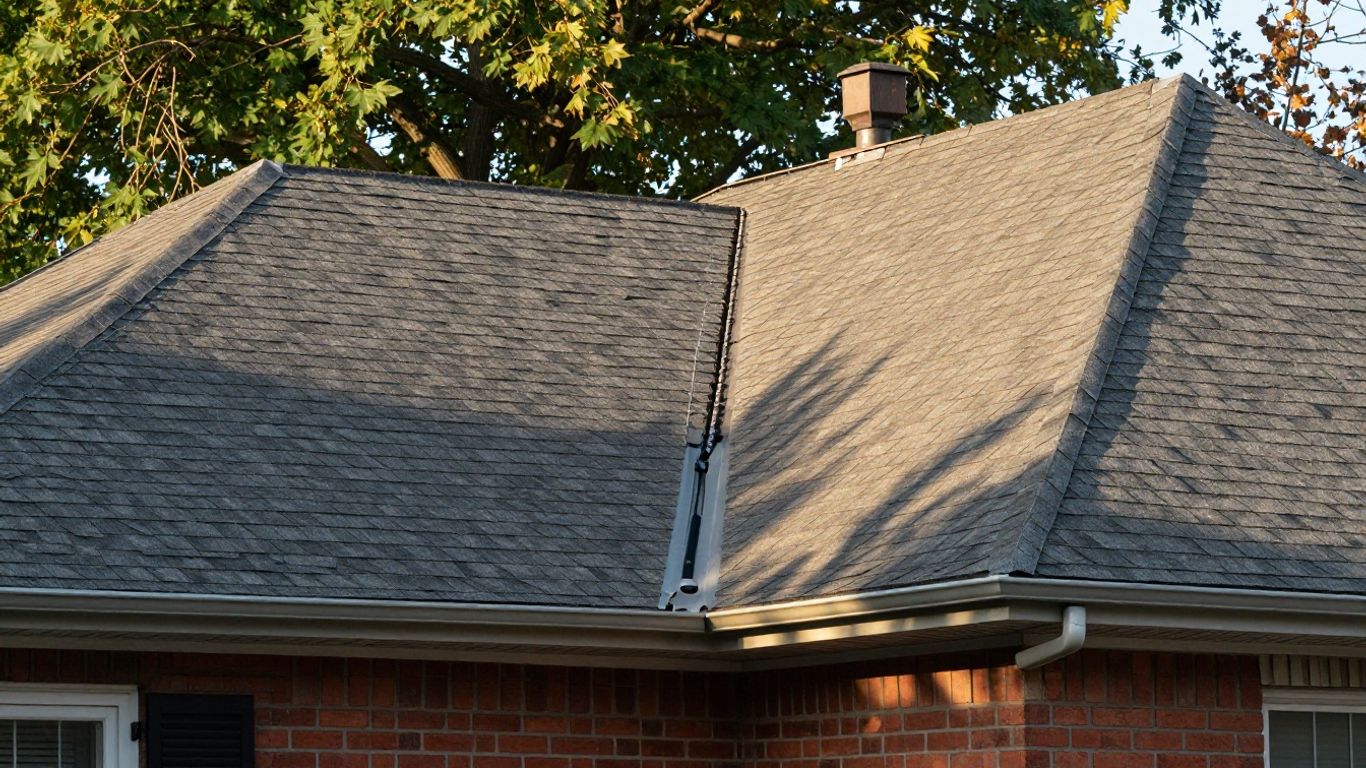
A third mistake is treating heritage review and a building permit as the same thing. Keep written notes on the guidance you receive, the scope that was reviewed, and any approval conditions. If a leak appears while you wait, roof leak repairs can protect the home without committing to a full replacement. If your roof is aging but sound, a roof tune-up can extend its life while you plan.
What a Heritage-Compliant Roof Costs and How Long It Takes
There’s no single price or schedule for a heritage roof replacement. Cost depends on roof size and complexity, the chosen material, the condition of the structure beneath, access, and any special details or approvals. On older Oakville and Bronte homes, original decking sometimes needs partial replacement, and that only becomes visible at tear-off. Review timelines can also affect when construction can begin, so avoid committing to a fixed start date before confirming the steps.
Our roof replacement cost guide explains typical price drivers, and our financing options can help spread the cost. Ask any contractor for an itemized description of work, materials, and assumptions, and for confirmed work to be separated from items that depend on review. Also review the warranty terms before signing.
How We Handle Heritage Roof Replacements in Old Oakville and Bronte
Above It All Roofing is locally owned, licensed, insured, and WSIB-covered, with 25+ years of experience and 1,230+ completed projects. We’re a GAF-certified contractor and a member of the Bryan Baeumler Approved Contractors program. You can read our client testimonials, see recent projects, or learn more about our team. One Oakville homeowner with a century-old home told us in a Google review that our quote was detailed and clearly explained the solution, cost, warranty, and insurance.
A contractor can assess roof conditions and document the work, but heritage requirements must be confirmed with the Town.
Our Step-by-Step Process, From Heritage Check to Final Inspection
- Confirm status. We check your address against the Town’s heritage information during your free inspection.
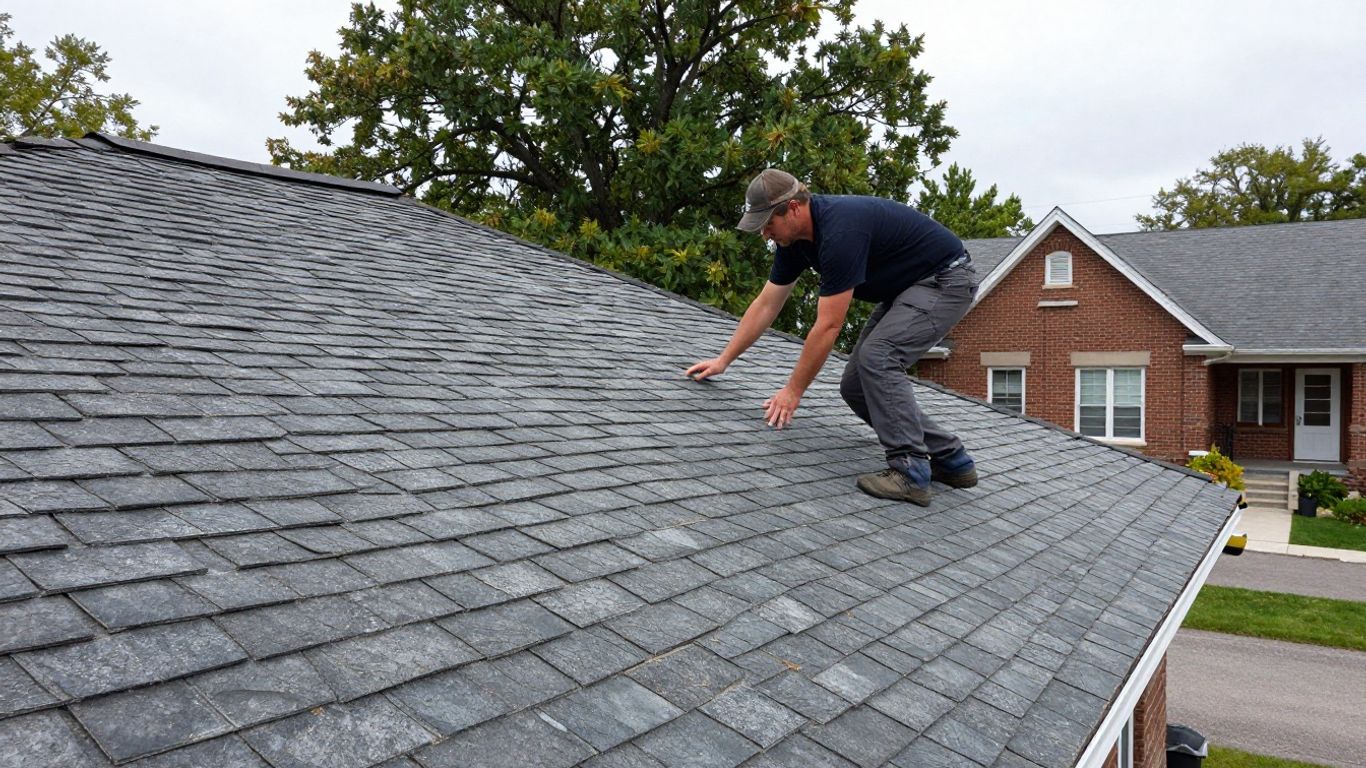
- Inspect the roof. We assess shingles, flashing, decking, and ventilation, and photograph what we find.
- Write the scope. You receive a written scope with material options, so your application describes the work accurately.
- Install correctly. Once approvals are in place, the work includes ice and water shield along eaves and valleys, which matters on lakeside properties.
- Finish and document. We do a final inspection and clean-up, and provide photos of the completed work, which the Town may ask for.
What to Ask Before Hiring a Roofer for a Heritage Home
Ask whether they’ve worked on older Oakville and Bronte homes, whether they’ll flag decking issues before quoting, and how they handle changes discovered at tear-off. Ask for proof of WSIB coverage and insurance, a written scope with materials named, and a clear warranty. Be cautious of anyone who says approvals “never matter.”
Heritage Roofing Questions and Your Next Step
Does every older home in Old Oakville need heritage approval for a roof replacement?
No single answer applies to every older home. Requirements depend on the property’s status, its location, and the proposed work, so confirm with the Town for your address.
Does replacing a roof with the same material automatically avoid heritage review?
Not necessarily. Like-for-like work may be treated differently from a change, but ask the Town whether the rules for your property require review.
Can I change the colour of a heritage home’s roof?
Possibly, but a colour change can alter the home’s appearance and may be subject to review. Confirm before selecting or ordering materials.
Is heritage approval the same as a building permit?
No. They are separate. Ask the Town whether your project needs heritage approval, a building permit, both, or neither.
Are listed and designated properties treated the same way?
Not always. Their status can lead to different considerations, so verify how your property is classified.
Do skylights or new roof vents need to be included in the proposal?
Yes. Describe planned changes to skylights, vents, and other visible details, because they may affect the review.
When should I contact the Town about a heritage roof project?
While you’re still comparing options, before ordering materials or scheduling construction.
A successful heritage roof replacement starts with knowing your home’s status and confirming which approvals apply. Describe the full scope, weigh materials against the home’s character and practical needs, and leave time for any review. When you’re ready, call 647-771-1554 or visit our Oakville roofing to book a free inspection with a heritage check.